


 This is a subscriber-only article
 It looks like you're browsing in private mode



Welcome back to the second part of my training tips series.
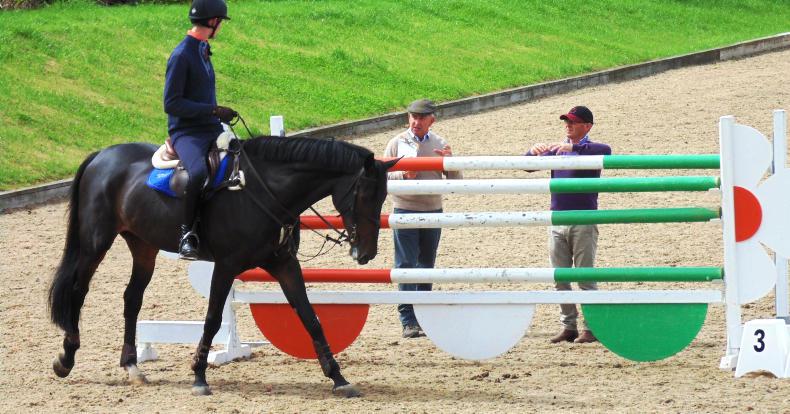
This week, I’m going to focus on gymnastic jumping, or gridwork as it’s also commonly known. I would normally include one day a week of this type of work into a jumping horse’s weekly routine.
I like the term ‘gymnastic jumping’, because it accurately describes what we are trying to achieve. Similar to a gym session, where repetition builds strength and develops technique in a particular area, with gymnastic jumping we are developing the horse’s core strength and balance and improving their jumping technique.
Another great benefit of this type of work is that it gives the coach an opportunity to examine the rider’s position and provide feedback, and allows the rider to become aware of, and work on, any weaknesses. Exercises like this also help us examine technique and balance through repetition of the exercise.
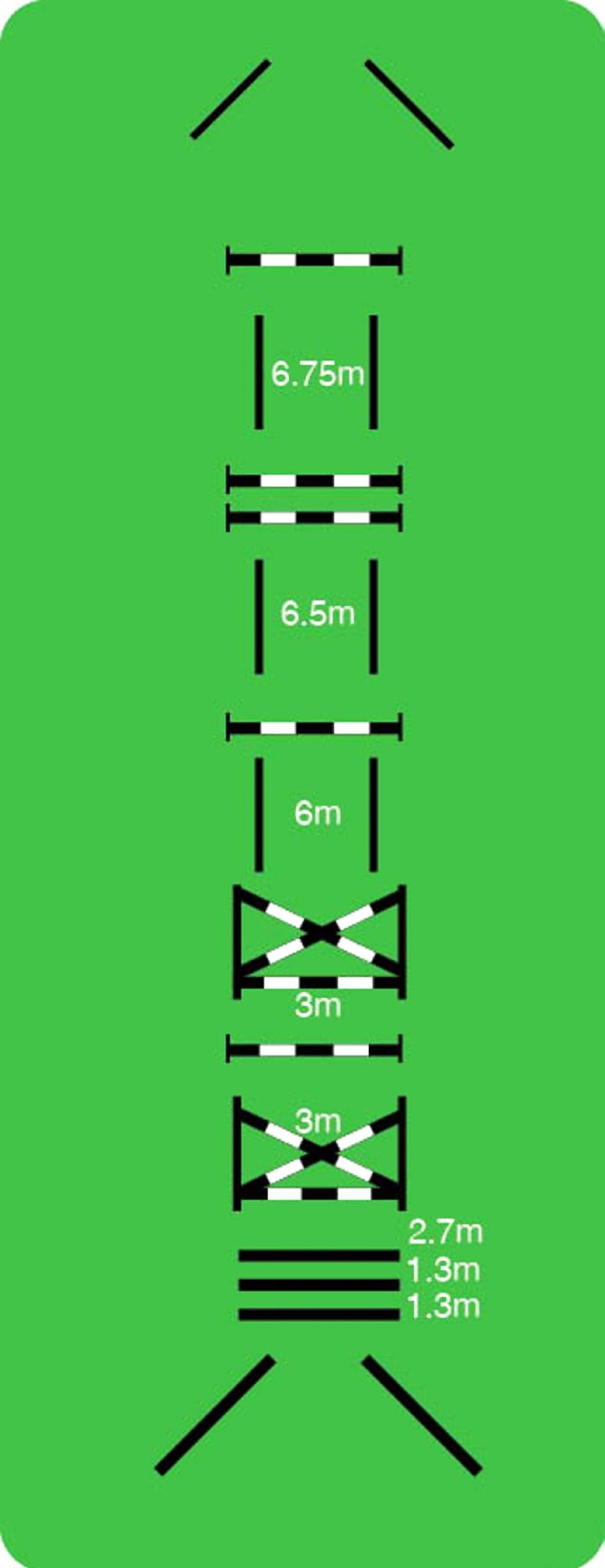
The grid that I have shown in the diagram above, is a set-up I use regularly. However, I may adapt from this depending on a particular horse’s needs.
A good warm-up routine is essential before starting, and I always work step by step. I start with the three trot poles. I will work through these until the horse is relaxed, and I have asked the rider to focus on establishing an even rhythm and maintaining straightness. It’s also the point at which I work on the rider’s jumping position. The first cross-pole is introduced, and the second element is laid as a ground pole on 3m. With younger or green horses, I always introduce the next element as a pole on the ground and make sure they are comfortable and only then progress to a jump.
It is really important to give breaks after every couple of repetitions to allow the horse and rider to relax and take in what they have done.
With younger horses developing their balance in canter, it is a good idea to progress only to the oxer and not include the last vertical. I will then take out the first vertical, which leaves a comfortable three strides from the bounces to the oxer. This is a nice calm way to show them not to rush in canter to a jump. With the more experienced horses that need to focus and work a bit harder, I can widen the oxer 30cm to 50cm towards the first vertical to help them react more quickly to the front rail of the oxer. There are many adaptations or variations to this set-up, but it is a nice gymnastic exercise to start with.
Watch the video on our socials!
Always remember:


SHARING OPTIONS: