

 This is a subscriber-only article
 It looks like you're browsing in private mode



HORSE ownership carries responsibilities beyond animal care. Like all livestock enterprises, equine holdings must comply with Nitrates Regulations to prevent nutrient pollution and protect water quality.
Horse manure contains nitrogen and phosphorus. If poorly managed, it can pollute waterways, damage pasture quality, and increase flies, parasites and disease risks. Managed correctly, however, it can be a valuable fertiliser.
A common misconception is that nitrates rules apply only to cattle or sheep. In fact, they apply to all land where livestock manure is produced, stored or spread - including horses, ponies and donkeys.
Scheme participation
Private owners, livery yards, riding schools and stud farms are all subject to the same requirements. Even keeping one or two horses brings obligations where manure is stored or spread.
Where land is in agricultural schemes, compliance forms part of cross-compliance and breaches can lead to penalties. Regardless of scheme participation, following the rules protects water quality and reduces enforcement risk.
Inspections are increasing
Local authorities are increasing inspections, with many holdings found non-compliant. Equine owners should be prepared and keep records of:
Manure storage: getting the basics right
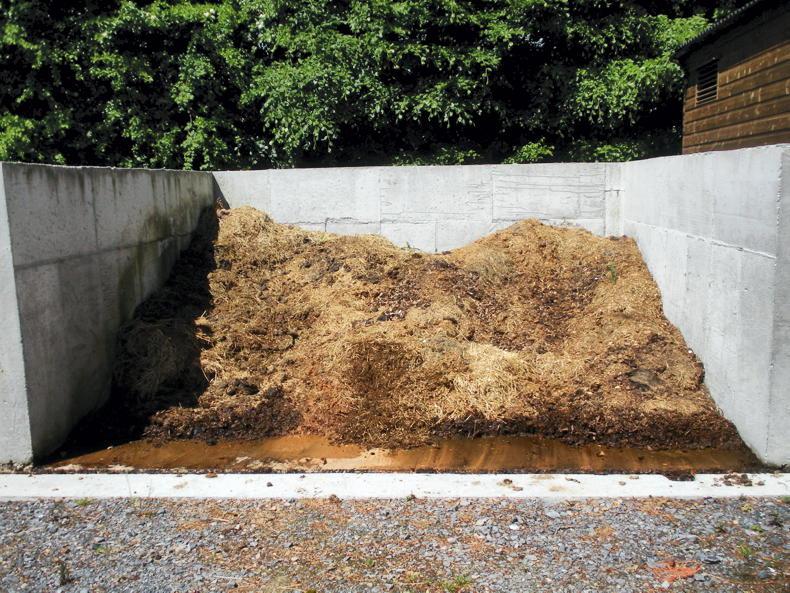
All equine owners must store manure to prevent run-off or seepage. Field heaps (outside closed periods) must:
Covered storage or composting reduces odours, flies and nutrient loss. Composting may reduce parasites, but only if done properly - testing manure is advised.
Exporting manure is permitted if recorded and used within limits. Since January 2025, exports must be notified through DAFM within four days. Funding for storage improvements may be available under TAMS.
Key considerations:
Prohibited application periods - Farmyard Manure
?
Adequate storage must be in place for the full period. During this time, manure must be stored on concrete with collection systems for run-off.
Storage requirements are based on 0.59m³ per horse per week (with bedding). Where mechanically compacted, this may reduce to 0.354m³, but not for manual stacking.
Spreading outside the closed period
When spreading is permitted, it must not occur:
Applications must match land capacity. Over-application on small paddocks is a common issue.
The maximum nitrogen loading is 170kg N/ha/year. While most equine systems fall below this, manure should not be concentrated in small areas.
Annual nutrient excretion rates for equine livestock
?
It is important to note that well-kept and up to date farm or yard records of manure spreading should always maintained.
Reduced storage and outwintering
Reduced manure/effluent storage may apply where horses are outwintered, provided:
If more animals are housed at inspection than storage is available for, this is considered a breach.
Paddock management matters
Equine paddocks are prone to nutrient build-up, especially around gateways, feeders and troughs. This leads to run-off risks and poor grass growth.
Regular dung removal, appropriate stocking rates, grazing rotation and maintaining grass cover help reduce pollution and parasite burdens.
Soil testing and nutrient planning
Soil testing helps match nutrient application to need, improving efficiency and reducing costs. Nutrient management plans, while mandatory for derogation farms, are good practice for all equine enterprises.
Other obligations
In addition to manure management, rules apply to slurry and soiled water. Animals housed on non-concrete surfaces in farmyards are considered non-compliant.
A shared responsibility
Proper manure management, compliance and good record-keeping help protect water quality, improve pasture performance and reduce regulatory risk. Good nutrient management is not just about compliance - it protects land, livestock and local communities for the long-term future.

SHARING OPTIONS: