

 This is a subscriber-only article
 It looks like you're browsing in private mode



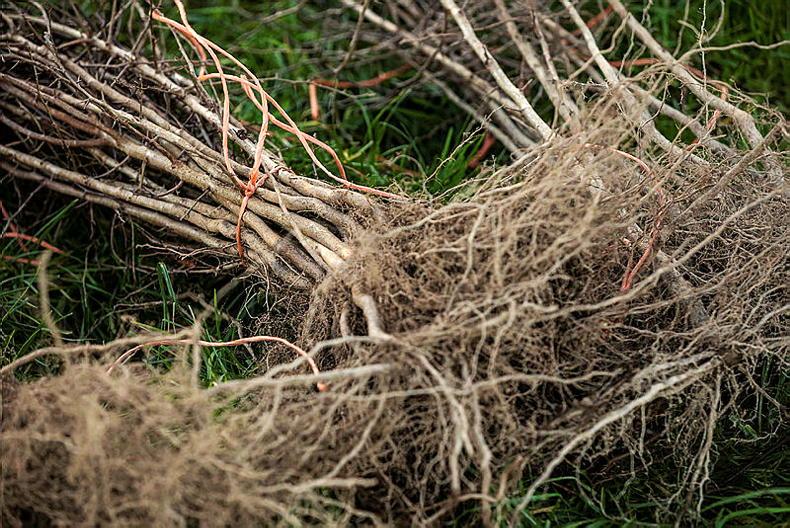
NOVEMBER is a good time to get a hedge in the ground on an equine farm. The bare-root season generally runs from November to March, while plants are dormant. Whips are young plants, usually supplied as slender stems with exposed roots. They are a practical way to plant a long boundary, and there is no need to rush out with a spade if the ground is frozen or waterlogged. Wait until the soil is workable.
What is good to plant on an equine farm?
Start with whitethorn, also known as hawthorn. This familiar Irish native makes a dense hedge, with white blossom in spring and red haws in autumn. Hazel is another native option suited to horse paddock boundaries. Dog rose can add summer flowers and autumn hips, while blackthorn brings early blossom and a crop of sloes. Both are thorny, so think about how close they will be to horses, particularly along narrow tracks and near gateways. Ask the nursery for plants of Irish provenance, grown from seed collected in Ireland.
Choose the mix with horses in mind. The British Horse Society lists privet, box and laurel among hedging plants that are poisonous to horses, and yew is also toxic. Set the new hedge behind a secure horse fence, leaving enough room to maintain it and keep young shoots beyond reach. Horses can browse tender growth, rub against stems or trample newly-planted whips. Keep the fence in place as the hedge matures.
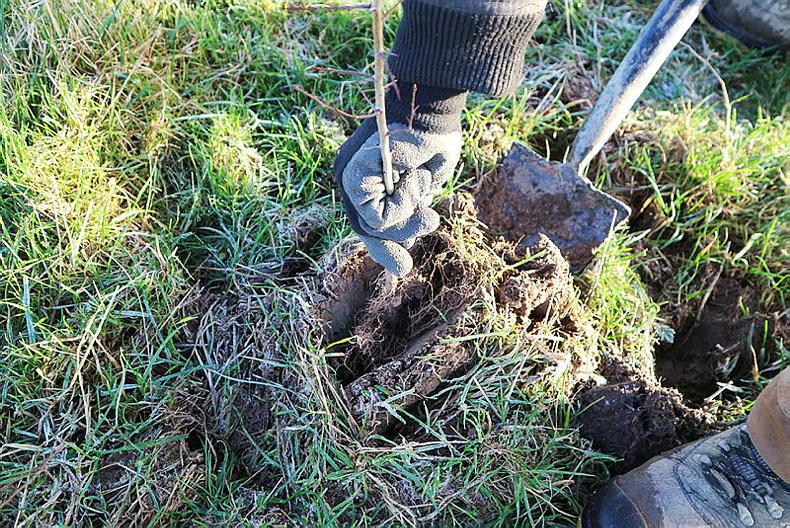
For a dense farm hedge, Teagasc’s equine guidance recommends a double staggered row, with roughly 33cm between rows and between plants in each row. That works out at about six whips per metre. Keep the roots covered until each plant goes in. Plant at the same depth it grew in the nursery, using the change in colour on the stem as a guide, and firm the soil around the roots. Check the hedge in its first summer, keeping competing grass and weeds down and watering during prolonged dry spells.
Planting for pollinators
Before planting, stand in the paddock and think about where the wind comes from and where the horses already go for shelter. That will help you decide which boundary to tackle first. Leave a few well-spaced whitethorns to grow into flowering trees above the hedge. A closely-clipped hedge produces fewer flowers, so giving some plants room to bloom makes more of the planting for pollinators. Over time, that same boundary can offer a perfectly sheltered spot for horses and a place for birds to feed and nest too.



SHARING OPTIONS: