

 This is a subscriber-only article
 It looks like you're browsing in private mode





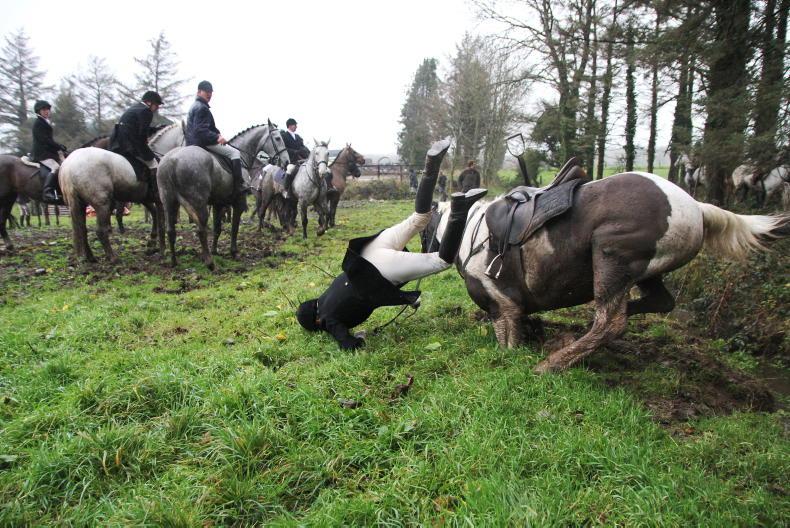
KING Lear makes the valid observation: “He’s mad that trusts in a horse’s health!”
Horses, being animals that seem to have an inordinate tendency to injure themselves, mean that every owner is likely to have to deal with an equine medical emergency at some point and having some basic preparations in place can be very helpful.
Getting to know what is normal for your horse will help in the rapid identification of an issue. Typical values include a rectal temperature in the range of 37-38.5oC, a respiration rate of 8-20 breaths per minute and a pulse rate of 25-40 beats per minute when relaxed and at rest.
You can practise taking these measurements on healthy animals, so that you can detect any significant changes should they occur. It’s also helpful information to be able to share with your vet. The advent of heat-sensitive microchips and equine wearable technology are likely to make this type of health data more widely available, but nevertheless, it’s a useful skill to be able to monitor your horse’s health without being overly dependent on equipment that may rely on batteries and wifi signal!
Other significant conditions that warrant prompt veterinary investigation include:
Keep a list of contact numbers available in the yard and saved on your phone. As well as the number for your veterinary practice, include contact details for friends/neighbours who may be able to provide assistance. Include the insurance company information and policy number if your horse is insured. Prominently display the Eircode for your premises so that anyone who needs to call for help can direct the emergency services to the precise location.
The vet will need to see the patient’s passport to check its vaccination history and food chain status. If your horse has any known allergies or other ongoing medical conditions have this information available as well, especially if it’s somebody else who is contacting the vet on your behalf and isn’t as familiar with your horse’s history.
Some photos and videos of an injury can be sent to your vet after you have contacted them initially. These can aid in decisions, such as is the horse fit to travel to the clinic/hospital, or does the vet need to come out immediately? When taking images, include some wider shots of the whole horse and its environment, as well as close-up views of the area of concern.
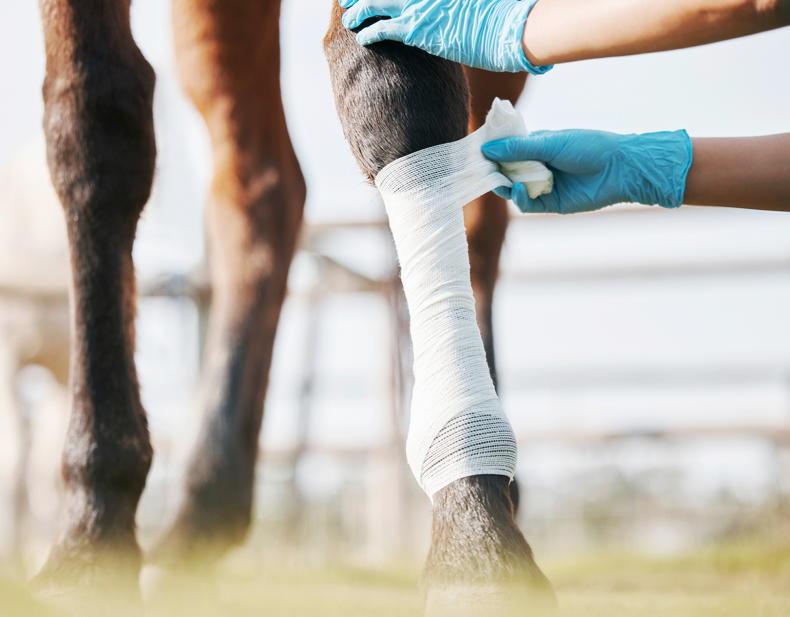
As a rule, a horse must be able to stand and support its weight on all four limbs to enable it to be safely and humanely transported. Efforts to move or load badly injured animals can result in further (possibly irreversible) damage to broken bones and other injuries. Having a vet come out to administer pain relief and apply appropriate splints and bandages will minimise the risk of additional damage and unnecessary pain if the horse then needs to be moved for follow up care.
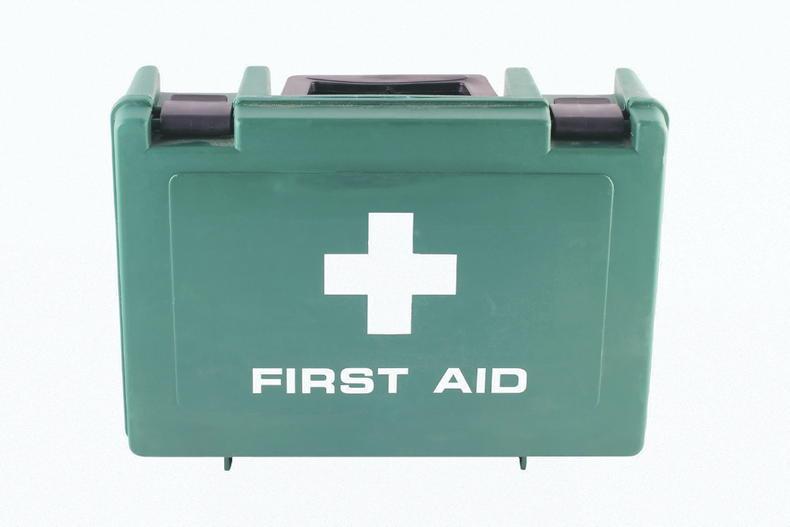
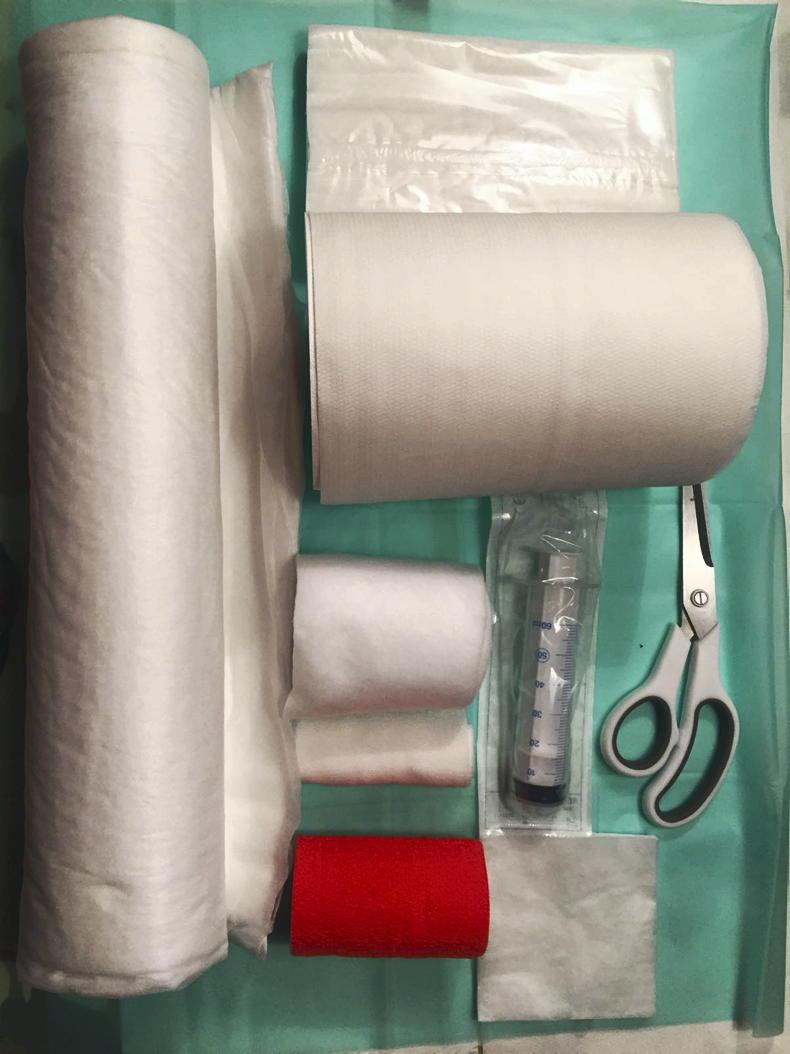
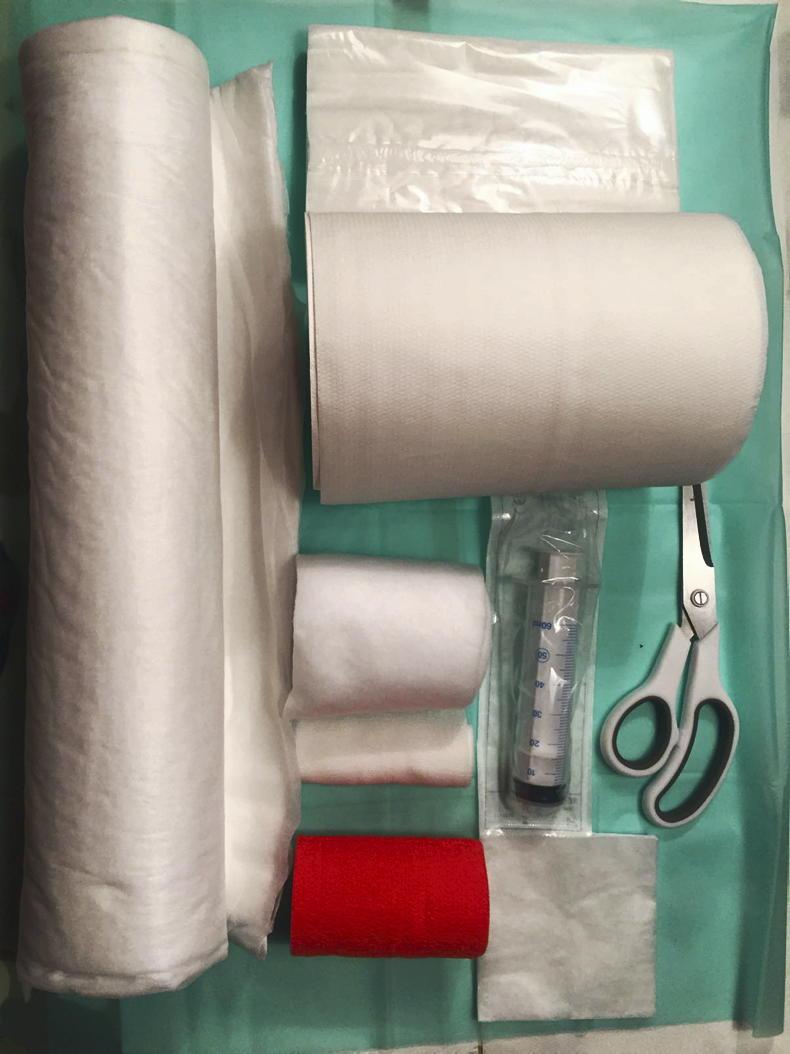
Suggested equine first aid kit contents:
Access to a low-pressure cold-water hose is helpful to clean heavily contaminated wounds and reduce bleeding and inflammation.
That old reliable - a packet of frozen peas - makes for a cheap, malleable and non-toxic ice pack. Always wrap ice packs in a towel before applying them to the skin to avoid causing a thermal injury.
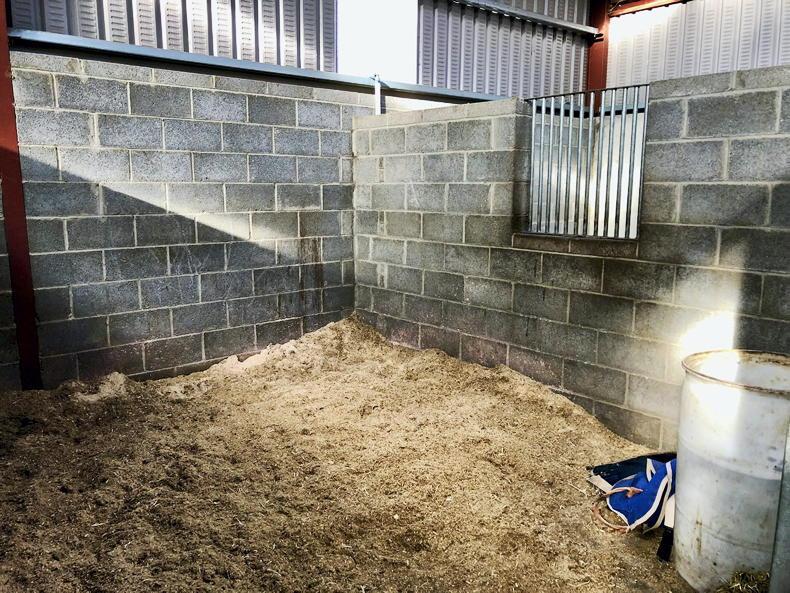
A sink with hot running water and soap ensures you can clean your hands before you examine an injury. It’s also useful to keep a dedicated vet bucket to hand, ideally made of stainless steel rather than plastic, as it’s much more durable and easier to disinfect.
Despite horses’ best efforts at times, most injuries are relatively minor and can be successfully managed at home. It’s preferable to consult with your vet early on and reduce the risk of complications and poorer outcomes down the line.
You can hopefully then set yourself up to avoid fulfilling King Lear’s worst expectations!


SHARING OPTIONS: