

 This is a subscriber-only article
 It looks like you're browsing in private mode




AT the bloodstock sales and breeze-ups, experienced buyers are often searching as hard for problems as they are for future potential.
While strong pedigrees and athletic movement may attract initial interest, seasoned purchasers quickly notice warning signs that can cool enthusiasm altogether.
“People buy with their eyes first,” bloodstock agent Johnny McKeever told The Irish Field, a comment that reflects the unforgiving nature of the current commercial market.
Temperament is now one of the biggest areas of scrutiny. Horses that appear anxious, difficult to handle or mentally overwhelmed by the sales atmosphere can immediately raise concerns about trainability.
Katie Walsh has spoken about the importance of trusting instinct when assessing young horses to buy, saying: “When a horse breezes better than you expected, that’s the one who will always deliver for you.” Conversely, experienced buyers are equally alert when horses fail to match expectations physically or mentally on sales day.
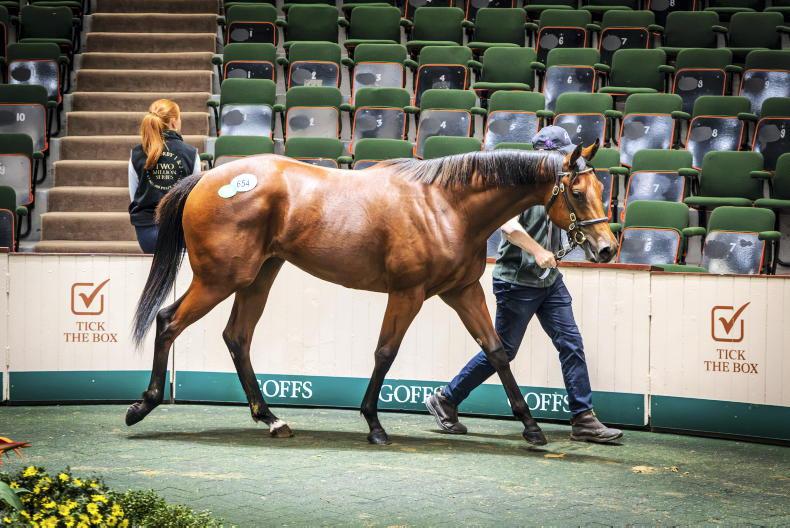
Physical presentation comes under intense scrutiny. Buyers closely examine feet, limbs, movement and overall balance, while signs of filling, uneven action or poor hoof quality rarely escape notice.
Veteran consignor Willie Browne of Mockershill Stud recently acknowledged that the commercial market has become “much more dangerous” than in previous decades, with far greater financial risk attached to buying and preparing young horses.
Veterinary transparency remains increasingly important. X-rays, scopes and detailed histories are now standard expectations among serious purchasers.
Even small behavioural clues can influence opinion. Horses that sweat excessively, struggle to settle or appear sour after repeated showings may quietly move down buyers’ lists.
At elite sales, where buyers inspect hundreds of horses over only a few days, instinct still plays a major role.
The challenge for consignors is not perfection, but producing horses that are healthy, genuine, relaxed and capable of coping with the demands ahead.
buying at the sales:
Physical concerns
- Filling around joints or tendons
- Uneven movement or a noticeable shortness in the stride
- Poor hoof quality, splits, or badly balanced feet
- Toe dragging or stiffness when walking out
- Excessive sweating unrelated to the warm weather
- Over-conditioned or heavily “pumped up” appearance
- Lack of muscle tone or poor topline
- Visible scars, lumps or blemishes
Behavioural warning signs
- Aggression when handled
- Unable to stand quietly in the box
- Excessive weaving, box walking or stable stress
- Ears constantly pinned back
- Nervousness around routine handling
- Overreaction to crowds or noise
- Sour or withdrawn demeanour
Veterinary and management concerns to consider
- Incomplete or delayed veterinary information
- Questionable X-rays or scope results
- Heavy bandaging used to disguise an issue
- Signs of recent medication or over-management
- Inconsistent answers from staff about the horse’s history
- A horse that simply does not “carry itself” well
- Lack of presence or athletic outlook
- Poor attitude during inspections
- Horses that appear mentally or physically overwhelmed by the sales environment
The intangible factors


SHARING OPTIONS: