

 This is a subscriber-only article
 It looks like you're browsing in private mode



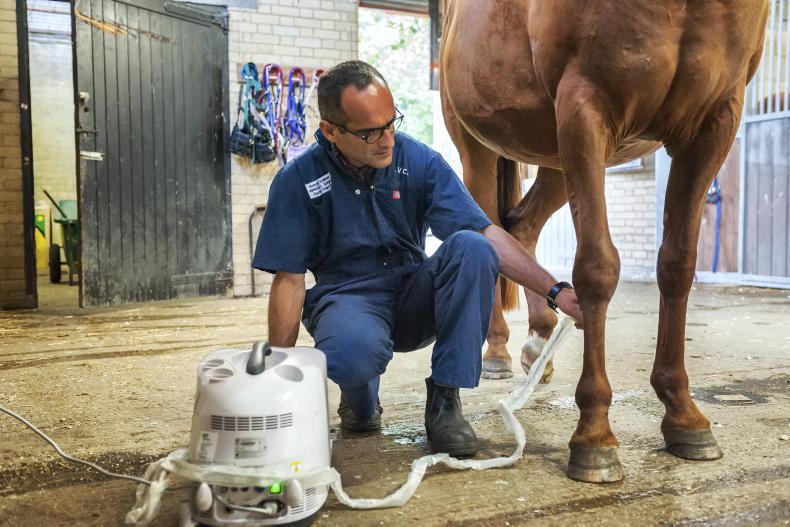
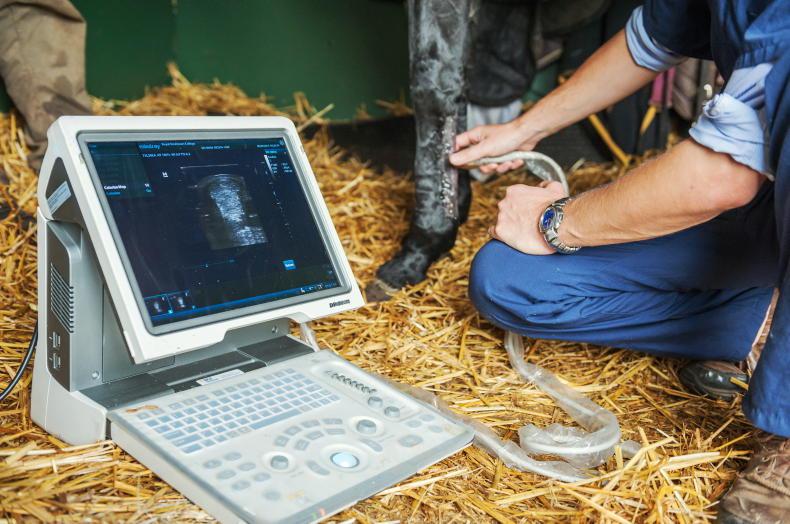
A NEW study from the Royal Veterinary College (RVC) funded by the Horserace Betting Levy Board and conducted in collaboration with colleagues from the Aristotle University in Greece, has identified that ageing causes a significant loss of blood vessels in the tendons of horses. This discovery offers vital insight into why older horses and people are more prone to tendon injuries and why these injuries heal more slowly and less effectively. The findings will help vets and trainers identify horses at higher risk of injury and choose the most appropriate treatment and rehabilitation strategies to improve recovery.
Reduced performance
Tendon injuries are a leading cause of lameness and reduced performance in horses, with the risk increasing as animals age. Despite this, the biological reasons behind this age-related decline have remained unclear. Understanding how blood flow and tissue structure change with age is essential to supporting the development of more effective treatments and rehabilitation strategies for older horses, as well as offering insight into similar processes in humans.
The RVC research team used advanced 3D technologies to capture detailed images of tendon tissue from young (two-five years old) and older (18-22 years old) horses, enabling them to visualise and quantify the tendon’s vascular network in unprecedented detail. The study specifically examined blood vessels within the superficial digital flexor tendon (SDFT), a structure functionally similar to the human Achilles tendon and one commonly injured in athletic horses. Assessing these images, the researchers found that older horses showed a 70% reduction in overall vascular volume, meaning far less blood was present within the tendon’s blood vessels. It also found a 30% decrease in vessel diameter and a 74% reduction in the number of blood vessels overall, compared to younger horses. This means that older tendons receive far less blood flow, making them more vulnerable to damage and slower to heal.
Advanced 3D imaging
At the same time, the team observed an increase in the formation of smaller blood vessels within aged tendons, suggesting that the tissue attempts to compensate for the loss of larger vessels. These changes suggest that the new disorganised vessels may not function effectively, reinforcing the need to monitor tendon health closely as horses age.
Dr Nodoka Iwasaki, Postdoctoral Researcher at the RVC, said: “This study used advanced 3D imaging to reveal, for the first time, how the blood supply to the horse’s tendon changes with age. We found that older tendons lose many of their larger blood vessels, which are crucial for repair and recovery. This helps explain why older horses are more prone to tendon injuries and why these injuries heal more slowly. We are now exploring ways to prevent this age-related decline, with the aim of improving outcomes for older horses diagnosed with tendon injury.”
Chavaunne Thorpe, at the RVC’s Department of Comparative Biomedical Sciences, said:“Using high-resolution 3D imaging techniques, we have shown that the blood supply to the injury prone superficial digital flexor tendon is dramatically altered as horses age, with a loss of larger blood vessels. This may explain why older horses are more at risk of tendon injury, as a lower blood supply means their tendons won’t be able to heal as well.
“We are currently developing methods to prevent this age-related decline, which, if successful, may improve prognosis in older horses diagnosed with tendon injury.”

SHARING OPTIONS: