AS the prospect of a horse abattoir in Ireland seems to be live again, let’s speak of the issue that underpins this and so much more for our equids in Ireland - identification and traceability. Without a robust system that allows us to identify equids, link them with a location and a responsible person, the industry and the wider public cannot have confidence that living-horse welfare, public health and end-of-life issues will be safeguarded.
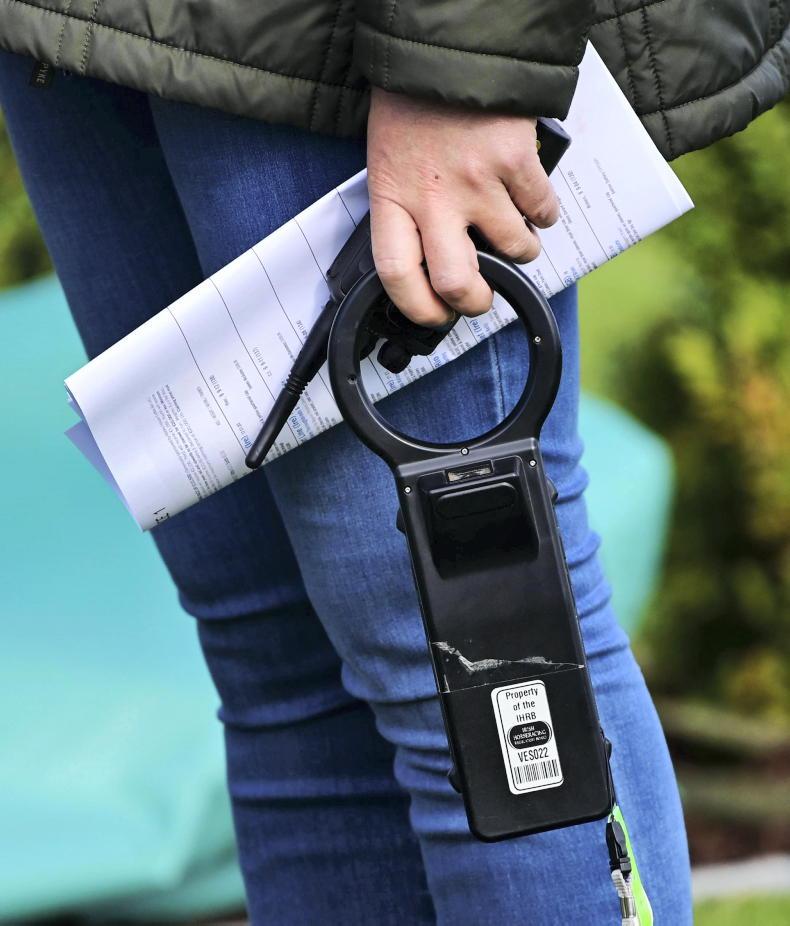
EU law has required for some time now that all equids (bar a few exceptions, such as wild pony populations) be issued with a unique identifier number listed in a passport that links with a microchip inserted in their neck. Each Member State is to have a central database representing a reliable register of this information, coordinated across all passport issuing organisations (PIOs) licensed in that state. But this readership must by now be well aware of the cracks and gaps in the system: the horses with none or multiple microchips, passports and identities; the failures in having a named person reliably associated with current ownership; the lack of knowledge regarding real-time location of many equids; the paucity of information regarding drug treatments in food-producing horses eligible to enter the human food chain. And the list goes on.
Some, including in this readership, may say ‘it’s grand’, ‘leave us alone, nanny state’! But:
NOT, if we get an outbreak of an equine infectious disease that puts your horses at real risk from animals that DAFM cannot track and trace;NOT, if you or yours unknowingly consume horse meat laced with ‘bute’, or suffers a ‘super-bug’ linked to unrecorded antibiotic use in your horses;NOT, if your beloved pony is stolen and subjected to abuse by an unnamed party, who can’t be held legally liable;NOT, if the horse you sold that you believed ‘signed out of the food-chain’ turns up on TV as having been slaughtered in an abattoir abroad.These are real-life possibilities, many have been illustrated in the media or described by veterinary scientists, such as Professor Paddy Wall, in recent times.
In September 2025, the Department of Agriculture (DAFM) ran four meetings with equine veterinary practitioners across the country on the topic of equine ID and traceability; I attended all four. The discussions were robust and wide-ranging, the outcomes made for interesting reading in a report published by DAFM. A few highlights here relevant to the topic:
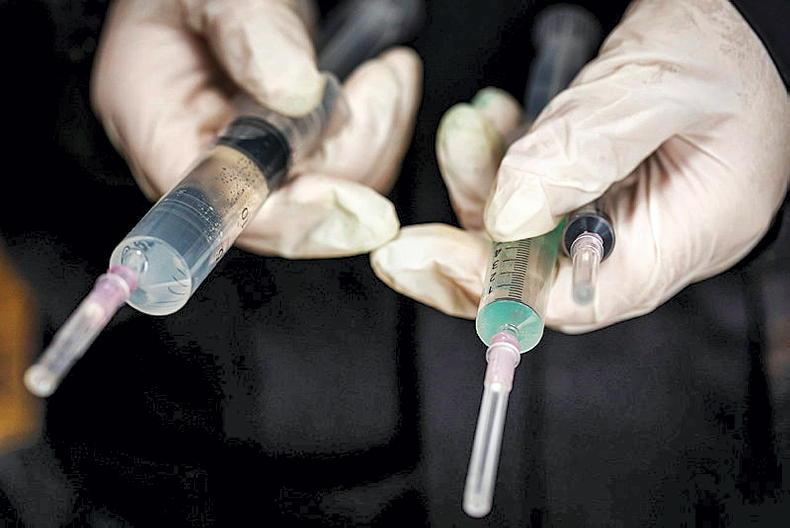
Many vets pointed out the differences in dealing with different PIOs, some based in Ireland, some not; with different timelines, procedures and supply routes for microchips and documents.In instances where the vet returns the marking chart to the horse-owner and not directly to the PIO, a passport doesn’t always issue - the owner may not apply for one but instead (illegally) sell on - some purchasers think a completed marking chart is a passport. Neither the passport itself nor the database can be taken as a reliable indicator of who is responsible for a given equid, nor that the animal is either in the country or even still alive. You wouldn’t sell your car without ensuring you’d transferred legal liability to the purchaser, would you?Many owners are not aware that a passport is issued that permanently excludes the horse from the food chain if at the time of issue the animal is over 12 months old.Vets have different opinions about both the merits and practicality of using ‘bute’ - some feeling that it adds real clinical benefit (compared to similar drugs) in the treatment of certain conditions, others that it ‘just isn’t worth the extra hassle with clients, passports and signing out of the food-chain’.It is not widely understood that in law it is no longer permissible for owners to sign their own horses out of the food-chain, nor for vets to do so on client request, but only if the vet has administered a drug (like bute) that requires it.Horse owners who wish to keep their horses in the food chain often don’t understand or comply with the requirement to keep an Animal Remedies record that details all medicinal treatments administered; a requirement that is separate to the IHRB requirements regarding racehorses.Vets don’t always know which medicines (‘Essential Substances’) must be entered in the passport if the owner wants a six-month withdrawal period to apply.There are serious reputational risks associated with the management of no-longer-wanted or fit-for-purpose equids - whether that be via welfare organisations, export, knackeries or a licensed abattoir.Yes, solutions were proposed; yes, these ideas have been heard by DAFM: we look forward to progress on this thorny issue with some urgency. Our horses’ health (think infectious disease threats) and welfare (think neglect or ill-treatment), as well as the safety of consumption of Irish horse meat abroad, plus the reputation of all involved in the equine industries, depends on it.


 This is a subscriber-only article
 It looks like you're browsing in private mode






SHARING OPTIONS: