

 This is a subscriber-only article
 It looks like you're browsing in private mode



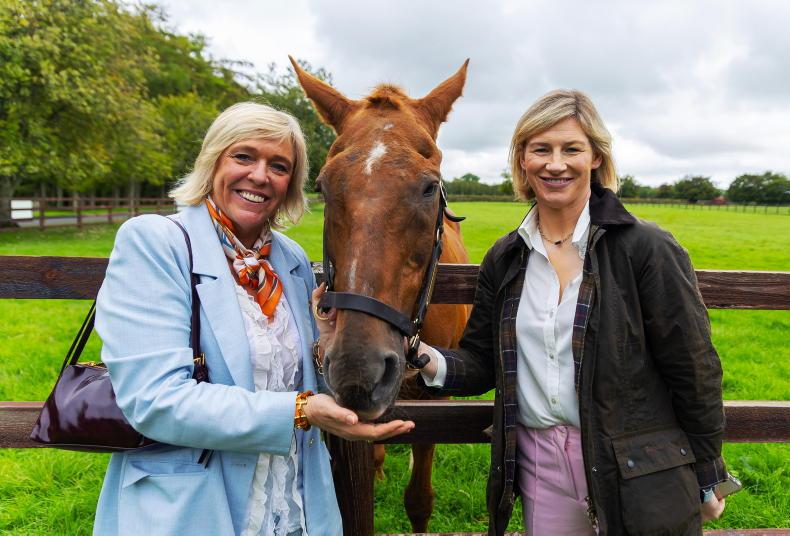
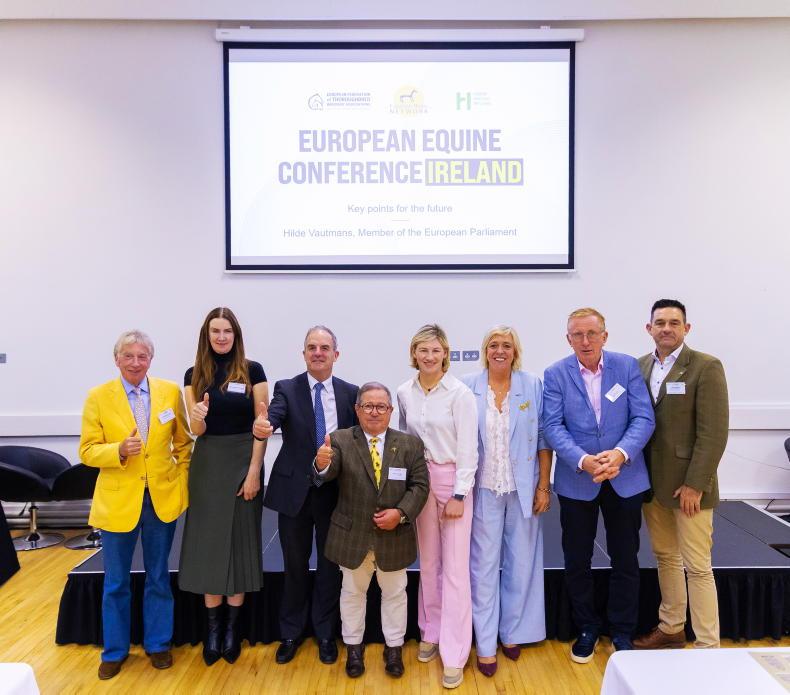
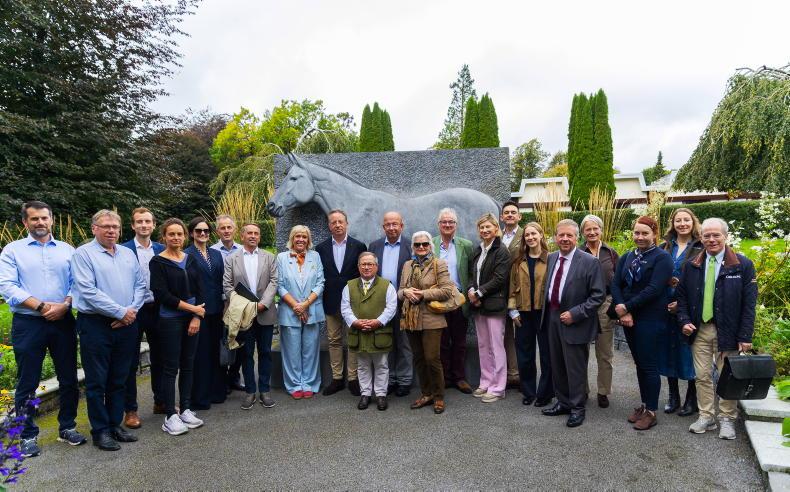
OUR erudite host for the day of the European Equine Conference at the Irish National Stud (INS) on September 22nd was Mark Weintein, chair of the European Horse Network (EHN). Weintein opened the conference with thanks to fellow sponsors (HRI and EFTBA) and a warm welcome to participants both foreign and domestic - key among these being co-chairs of the MEP Horse Group, Hilda Vautmans and our own Nina Carberry. A local Kildare TD of high standing, Minister Martin Hayden of DAFM, set the scene placing current political events in an equine context:
Carberry responded from the uniqueposition she maintains, steering on equine matters at EU level and possessed of a detailed grounding in Irish equestrianism.
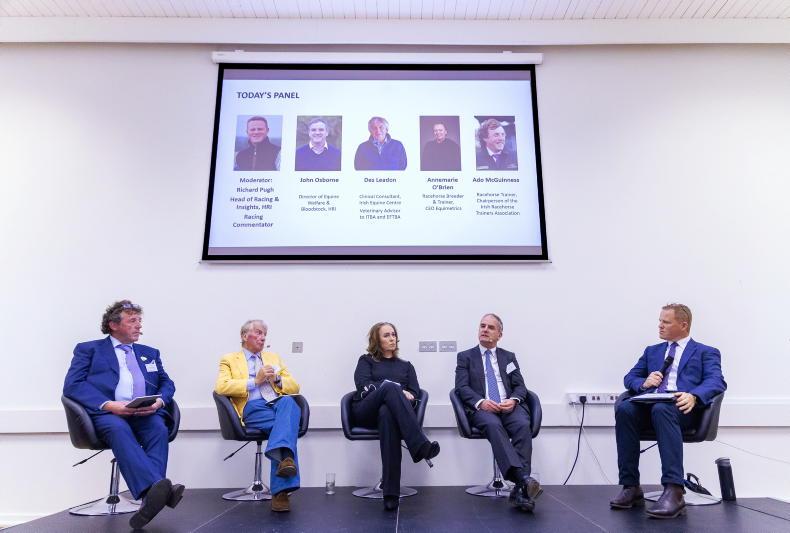
We proceeded to a panel of experts, consummately marshalled by Richard Pugh, comprising four contributors with unparalleled knowledge of the Thoroughbred sector: Des Leadon, Ado McGuinness, Anne-Marie O’Brien and John Osborne. They variously outlined the importance of the industry to the Irish economy, to the country’s rich traditions, and indeed to Irish identity both home and abroad. They also referenced perceived threats posed by outside actors, whether bureaucrats, experts lacking expertise, animal rights activists or a well-meaning but ignorant public sector.
Allowing for better planning
Mark Weintein took to the microphone again to explain the importance of metrics - we must know how many, what types and in whose care are the equids of Europe. The EHN is putting energy and money into advocating that horse statistics are once more collected across the EU allowing for better planning, better investment and better decision-making all round.
A major conference theme was equine identification and traceability, in the news (again!) following recent Europol raids of horse premises across Europe with the discovery (again!) of mis-and-fraudulently-identified equids, gaps in our ability to trace them from their early years, and potential public health concerns if they end up in the human food-chain.
This writer (Joe Collins) set the scene, looking back to the last horse meat scandal of 2013 and the promises then made to ‘get our house in order’. There still followed, of course, the RTE abattoir exposé of 2024, when horrific physical and mental abuse of slaughter horses was shown to this nation and further afield, alongside microchip tampering and food-chain fraud. Joe reported on the official response through the commissioning of the Wall report (more anon), a series of workshops for equine vets run by Joe and Frances McAodhain (again more of her later), and actions centred around data clean-up and more rigorous controls. A July 2026 report out of Brussels is worth a read, not least to illustrate that this is not a domestic Irish dilemma alone: Animal Action Greece (2026) Towards modern equine traceability. Eurogroup for Animals.
Joe handed over to Professor Paddy Wall with a familiar sounding refrain: much done, more to do!
Systems for livestock species
Paddy picked up the themes in his inimitable style, informing but also entertaining the audience, ensuring that they remember key points through the pictures he paints and stories he tells.
The traceability gaps have been well described; solutions including technological have been proposed; but do we have the collective will within our sector to grasp the nettle, take the pain and protect our reputation for the long haul?
The f
Frances has unrivalled knowledge of similar systems for livestock species and has brought this experience and expertise to bear on the tough task set for her.
She outlined process to date including the introduction of new Equine Herd Profiles to marry with the 2026 equine census and new traceability checkpoints strategically positioned to allow that data is collected at key points in an equid’s life - from registrations to medicines use, from sales or export to death. From cradle (or stable) to grave indeed!
Key to success will be the integration of processes employed by Passport Issuing Organisations domestic and foreign, buy in from disparate equine industry sectors and collaboration with adjacent territories e.g. via DAERA in Northern Ireland.
The conference was closed in typical energetic style by MEP Horse Group co-chair, Vautmans.
She mounted a passionate defense of the horse and their place in our lives, and encouraged all to the barricades in advocating for principled but pragmatic legislation and standards that allow horses and humans to continue to enjoy the positives of each other’s company.


SHARING OPTIONS: