

 This is a subscriber-only article
 It looks like you're browsing in private mode



OVER the past year, I have spoken to teenage girls and young women within equestrian sport who described sexually inappropriate comments at shows, yards and events with an almost practiced shrug. Remarks about their bodies. Older men commenting on what they wore. “Jokes” that made them uncomfortable. Comments made in lorries, collecting rings, stable aisles and warm-up arenas.
What struck me most was not the girls’ shock or outrage, but their resignation.
“It’s just part of it.”
“You learn to ignore it.”
For some young riders, inappropriate behaviour has become so normalised within parts of equestrian culture that they no longer view it as something worth reporting. It appears to be woven into the background noise of the sport they love. That should concern all of us.
Safeguarding failures rarely begin with major scandals, such as Katie Simpson’s horrific abuse and murder, and the many associated failings surrounding it. The failures often begin quietly, with blurred boundaries, tolerated behaviour, unchecked comments, and cultures in which young people feel uncomfortable and unsure whether they are “allowed” to object. This discomfort is consolidated by incidents such as the reports from Deauville sales where a sexual attack was reported to local police but the alleged victim came under pressure to withdraw her complaint so as not to draw bad publicity.
Wider industry culture
Parents trust instructors with their children, owners trust trainers with valuable horses, and young riders place enormous faith in the adults around them. Safeguarding in our yards and businesses needs to be robust; it needs to be more than a box-ticking exercise to file away. Many people still hear the word safeguarding and think “paperwork”. In reality, robust safeguarding should be part of every professional yard management and industry culture.
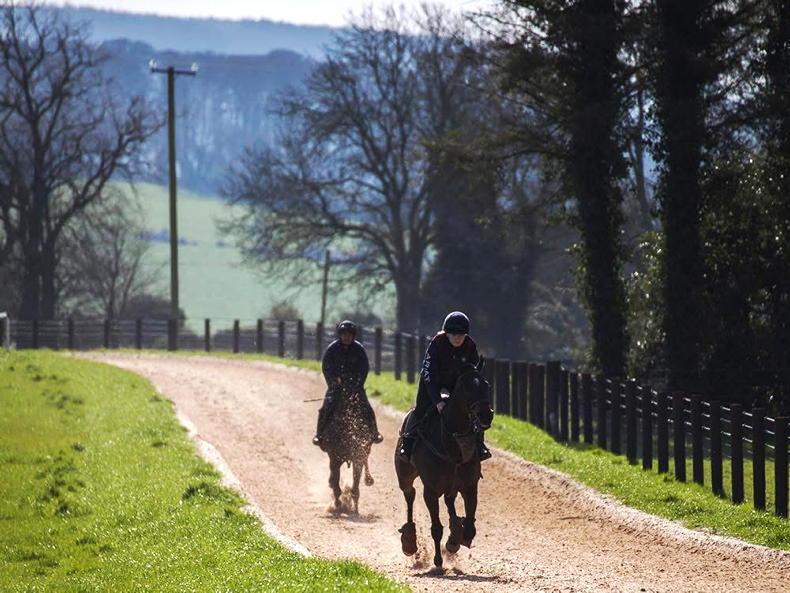
Equestrian and racing yards pose unique safeguarding risks. Yard life can involve isolated stable areas; one-to-one coaching; travel; overnight stays; early mornings and late evenings and ambitious young people eager to please authority figures. None of this makes equestrian sport inherently unsafe. It does, however, mean that clear boundaries, transparency and accountability are essential.
Racing’s code of conduct
For racing yards, the issue is becoming increasingly important, particularly where apprentices, work-experience students and young employees are involved. Safeguarding protects not only young people, but also trainers, staff and businesses themselves. Critically, it helps prevent situations from escalating into crises. Recent cases have underlined why this matters. In Britain, former stable employee David Hickin (37) admitted breaching racing’s code of conduct over his behaviour towards two women (18 and 22). The case drew attention because of comments reportedly suggesting such behaviour was commonplace within racing yards. Whether isolated or systemic, such cases raise uncomfortable but necessary questions about culture, power imbalance, silence and accountability within parts of the industry.
Safeguarding is not simply about identifying “bad individuals”. It is about examining whether environments allow inappropriate behaviour to become normalised, minimised or ignored. In tightly-knit industries such as racing and equestrian sport, where reputations, careers and opportunities often depend on powerful figures, we can’t go on ignoring that many young people feel enormous pressure not to speak up.
And perhaps this is where the conversation becomes even broader. A sector cannot truly safeguard horses if it does not also safeguard the humans who work with them. Cultures that normalise domination, intimidation, silence or fear towards people can also become cultures where coercion towards horses is accepted without sufficient scrutiny. Equally, environments built around respect, professionalism, empathy and accountability tend to improve welfare standards for everyone within them, human and equine alike.
Across both Ireland and Northern Ireland, safeguarding carries clear legal and operational responsibilities for equestrian and racing yards. Any yard that regularly involves children, young people, or vulnerable adults through daily work, lessons, camps, racing academies, work experience, trekking or equine-assisted work needs to understand the law. While the systems north and south differ slightly, the practical expectations are increasingly similar.
In practical terms, any professional equestrian yard regularly involving children should now expect to have:
- documented safeguarding policies,
- clear reporting pathways,
- Garda/PSNI vetting completed,
- trained personnel,
- and evidence that safeguarding is actively implemented.
Regardless of whether a yard sits in Co Cork or Co Down, certain measures are now considered essential best practice and are increasingly expected by insurers, governing bodies and parents. I’ve heard argument for insurers to only offer cover if all of these measures are proven to be in place - could that be a way forward? The horse world is increasingly recognising that safeguarding principles can and arguably should extend to horses themselves too. And, if racing and equestrian sport want to maintain public trust for the future, both human and equine safeguarding must become central to how the industry operates, not merely how it appears to operate when scrutiny arrives.
The direction of travel is very clear: safeguarding is not optional administration, but part of the legal and professional responsibility of running a modern equestrian business.
In next week’s edition we will carry answers to safeguarding questions we put to Horse Racing Ireland and other governing bodies.



SHARING OPTIONS: