

 This is a subscriber-only article
 It looks like you're browsing in private mode




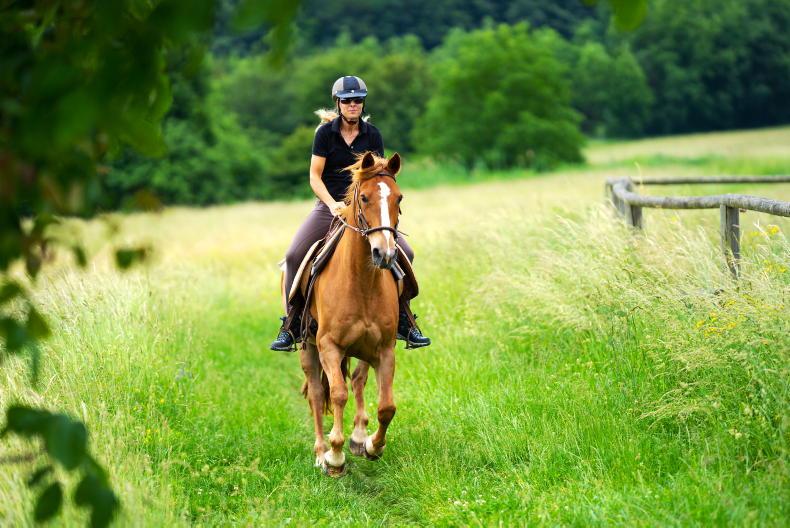
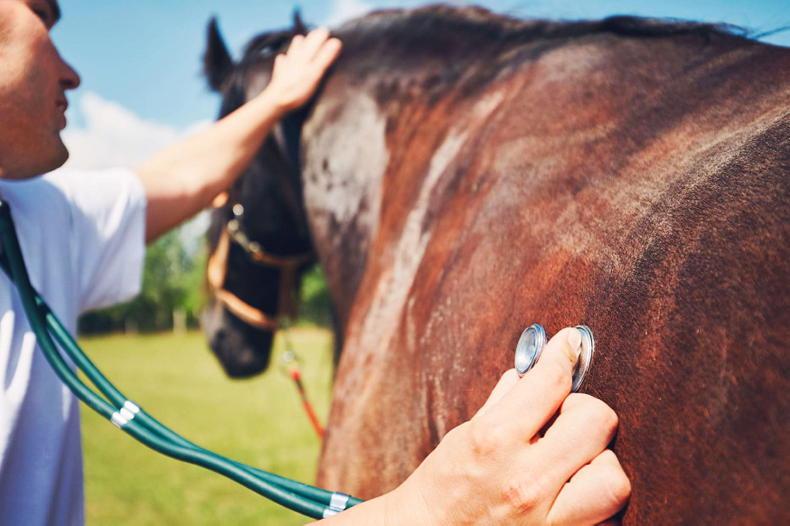
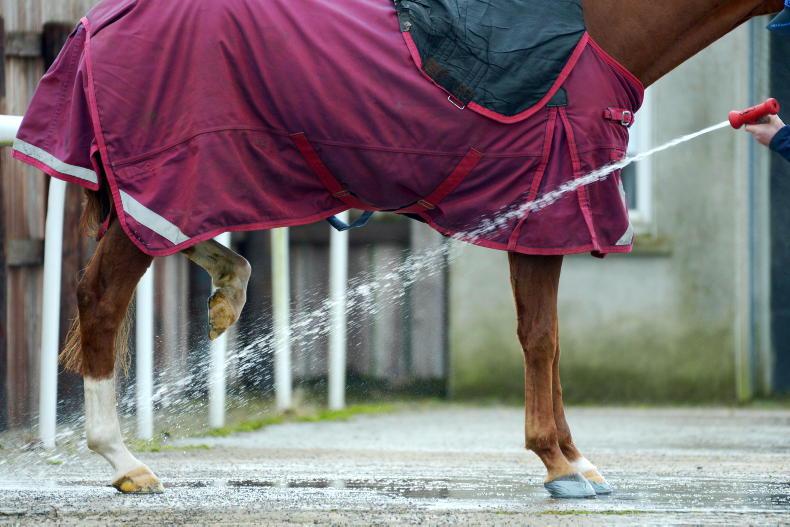

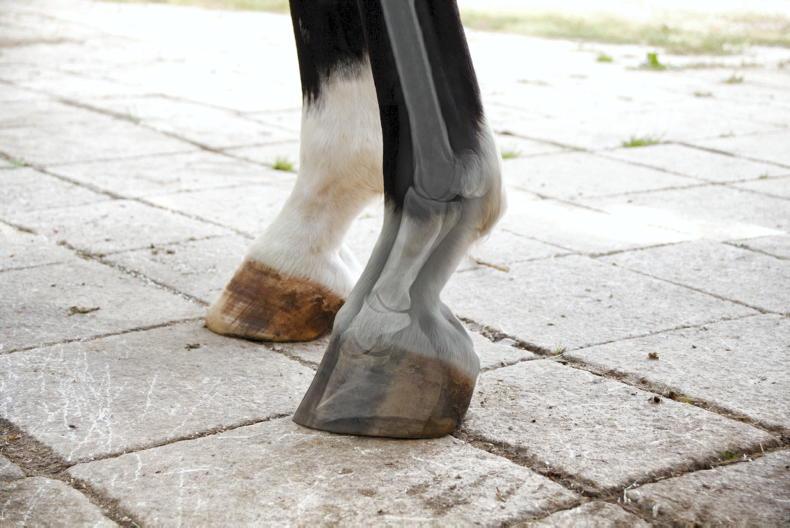

WHETHER managing a Grand Prix sports horse or a National Hunt campaigner, the calendar matters. Seasonal planning underpins soundness, performance and longevity, yet no two animals respond identically to pressure, ground or workload. The most effective horse-forward yards use the year not as a rigid timetable, but as a framework for anticipation: knowing when risk rises, when intervention is prudent, and when restraint is the wiser option.
High-level equine management is rarely dramatic. It is built on anticipation, observation and the willingness to adjust the plan when the horse asks you to. Month-by-month care is about understanding when risk rises and responding early, thoughtfully and with the horse’s long-term welfare in mind.
In an industry increasingly focused on sustainability, both ethical and athletic, good horsemanship remains the most effective intervention of all.
It’s a good idea to discuss your equine management plans with your vet, farrier, physiotherapist, nutritionist and dentist throughout the year.
January: Establish the baseline
January is not a quiet month; it is an evaluative one.
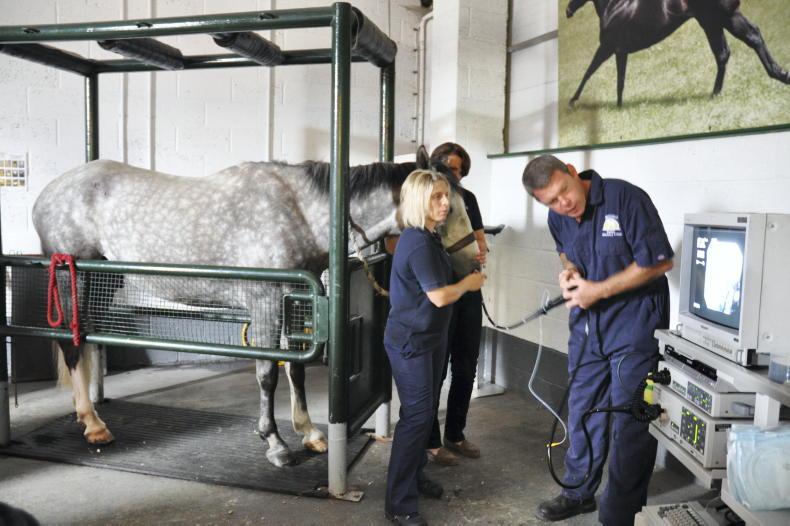
For sports horses, this is the time for honest physical assessment following winter downtime. Back, pelvis and sacroiliac function should be reviewed by qualified professionals before workload increases, alongside saddle fit, dentistry and body condition. Horses often return from lighter work carrying more weight and less topline than expected.
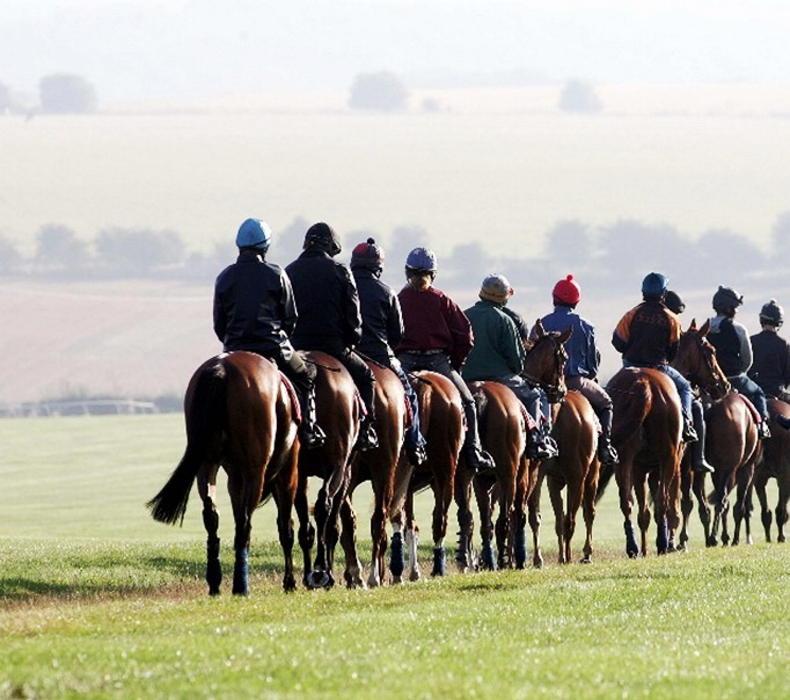
For racing yards, January may sit mid-season for National Hunt horses, demanding heightened vigilance rather than change. Daily limb monitoring, respiratory observation and regular blood profiling help detect cumulative strain early.
From a parasite-control perspective, January is a strategic month for encysted redworm treatment, it is a time when red worm is in the larval stage and so are not laying eggs. This means eggs cannot be detected in a faecal worm egg count (FWEC). January is the correct time to ask your vet for guidance and obtain a prescription for strategic, non-count based treatment.
February: Prepare, don’t rush
FEBRUARY is about progressive preparation. Sports horses begin structured conditioning, making this an ideal moment to review shoeing strategy ahead of changing ground and to assess rider balance and symmetry, an increasingly recognised contributor to equine asymmetry.
Flat racehorses often return to faster work now. Orthopaedic screening, nutritional reassessment and early gastric health monitoring can prevent problems emerging once speed work intensifies.
While faecal egg counts (FWECs) are not yet reliable, pasture hygiene such as muck-picking, rotation and stocking density now underpins later parasite control success.
March:
Transition month, high-risk month
MARCH brings longer days, increased travel and often the return of competition and, with it, elevated injury risk.
Sports horses may contest early outdoor fixtures, exposing gaps in fitness or strength. Subtle lameness, reluctance to go forward or behavioural changes should not be dismissed as “ring rust”.
For racing yards, particularly those increasing travel, respiratory health warrants close attention.
This is the recommended month to initiate FWEC testing on adult horses as grazing resumes. Results allow yards to identify low, medium and high shedders, targeting treatment only where necessary and works towards reducing anthelmintic resistance.
April: Pressure builds
THE month of April is really when the season begins to demand consistency.
Sports horses often encounter firmer ground and increased jumping frequency. Joint and limb stress must be monitored carefully, particularly in horses stepping up levels. Electrolyte balance and hydration strategies move from optional to essential.
Racehorses running regularly benefit from structured post-race recovery audits, assessing hydration, muscle soreness and limb filling. Routine bloods can help track cumulative workload.
Where horses required worming following March FWECs, follow-up testing can confirm product efficacy.
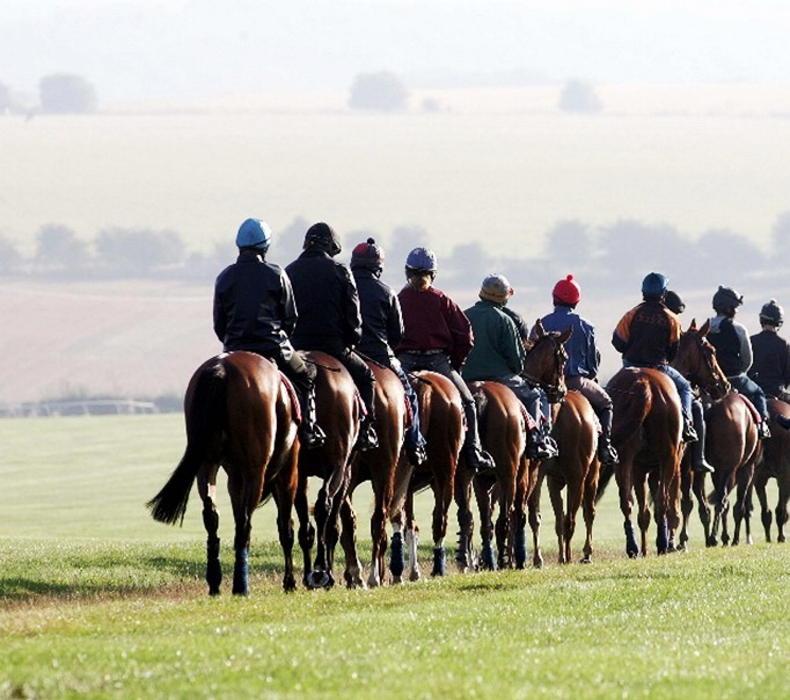
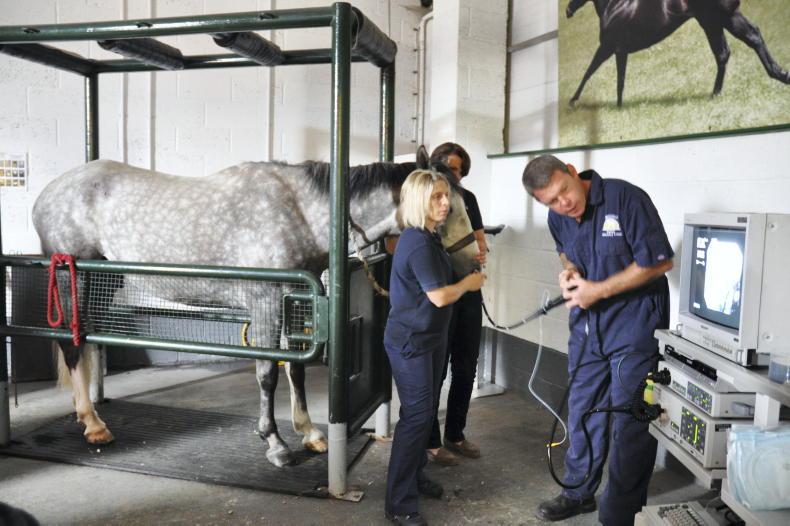
MAY - in May, respiratory reassessment is prudent in horses showing dips in form \ Royal Veterinary College
MAY:
The marginal gains month
BY May, most horses are fit. The difference between thriving and merely coping lies in detail.
Sports horses benefit from mid-season physio or bodywork assessments, weight monitoring and thermoregulation reviews as temperatures rise. Mental tension or resistance often signals underlying fatigue.
Racing horses, particularly older campaigners, require ongoing tendon and ligament surveillance. Respiratory reassessment is prudent in horses showing dips in form.
FWEC monitoring continues during the grazing season, typically at eight- to 12-week intervals, for horses identified as medium- or high-shedders.
June: Heat and hard ground
JUNE presents universal challenges: firmer ground, heat and busy calendars.
For sports horses, hoof balance, stud use and concussion management come under scrutiny. Honest appraisal of workload tolerance is essential, particularly for younger horses.
Racing yards can focus on hydration, electrolyte balance and recovery protocols, alongside skin health and fly control.
Mid-season FWECs are often scheduled now, informing whether targeted treatment is required.
July: Mid-season reality check
JULY exposes the consequences of earlier decisions.
Sports horses may show signs of mental fatigue: loss of enthusiasm, tension or resistance. Training variation, reduced schooling intensity and planned downtime can enhance performance rather than diminish it.
Racing horses require assessment for cumulative wear. Behavioural changes, appetite loss or irritability are often early indicators of overload. Blood profiling is useful in horses with sustained racing schedules.
AUGUST- In August, racing yards should review autumn campaigns, joint management strategies and training intensity versus output.
August: Plan for longevity
AUGUST is a pivotal planning month.
For sports horses, decisions must be made about stepping back versus pushing on, particularly in young or developing horses. Metabolic health monitoring becomes relevant as grass quality fluctuates.
Racing yards should review autumn campaigns, joint management strategies and training intensity versus output.
From a parasite perspective, late-summer FWECs help determine whether burdens warrant treatment before autumn. Tapeworm testing should be discussed with your vet now if not undertaken earlier.
September: Adjust and reassess
AS light begins to fade and ground softens, management must adapt.
Sports horses benefit from veterinary and physiotherapy reassessment after the summer peak, alongside planning for indoor work, clipping and stable ventilation.
Racing yards should conduct orthopaedic screening ahead of autumn campaigns, review shoeing for softer ground and reassess respiratory health as stabling increases.
Autumn is a key period for tapeworm control, using saliva or blood testing to guide treatment where possible.
OCTOBER:
Prevent the winter dip
SPORTS horses often experience stiffness as temperatures drop and work reduces. Joint comfort, weight management and saddle fit should be reviewed as musculature changes.
National Hunt horses entering full work require pre-season soundness checks, alongside stable environment audits to support respiratory health.
Targeted autumn parasite treatments guided by FWEC and tapeworm testing can reduce disease risk over winter.
November: Reflect and rebalance
NOVEMBER offers space to reflect. For sports horses, end-of-season veterinary reviews, dentistry and tack assessments provide clarity on what the horse has tolerated, not merely achieved. Structured rest planning begins here.
Racing yards should review campaigns honestly, assessing recovery capacity, injury patterns and resilience, particularly in older horses.
As grazing wanes, reliance shifts from FWECs to strategic winter parasite management and record review.
December:
Rest is not neglect
DECEMBER is often misunderstood. Rest does not mean abandonment of standards.
Sports horses turned away still require condition, hoof and welfare monitoring, with clear plans for a gradual return to work and the competition season.
Racing horses benefit from consistency through cold, dark weeks: routine, ventilation and comfort matter as much now as during peak season.
December is also the time to review the year’s health data and plan parasite control and monitoring schedules for the spring ahead.


SHARING OPTIONS: