

 This is a subscriber-only article
 It looks like you're browsing in private mode



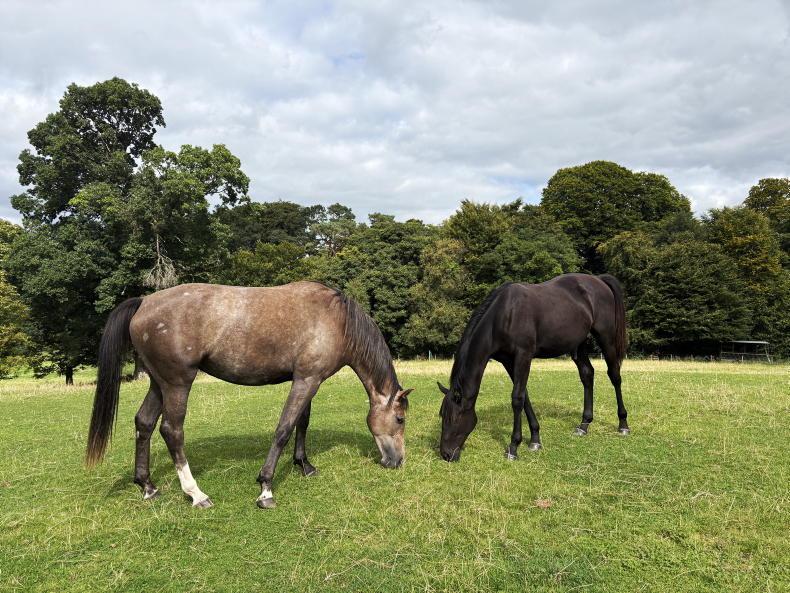
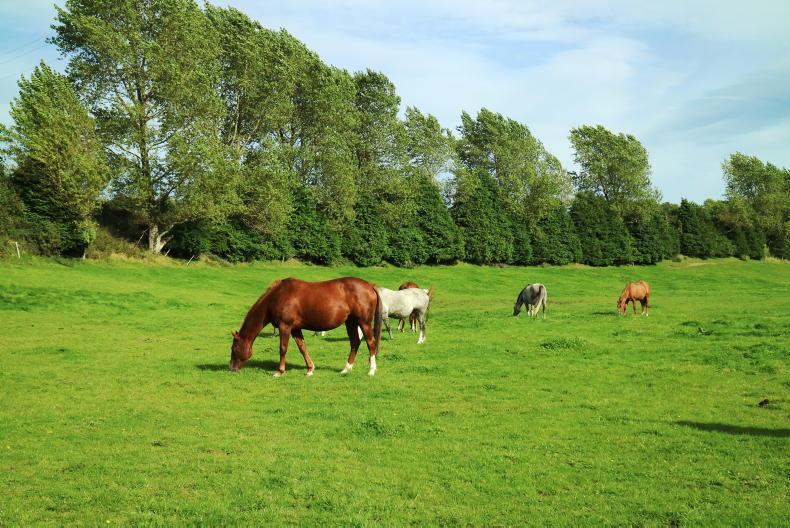
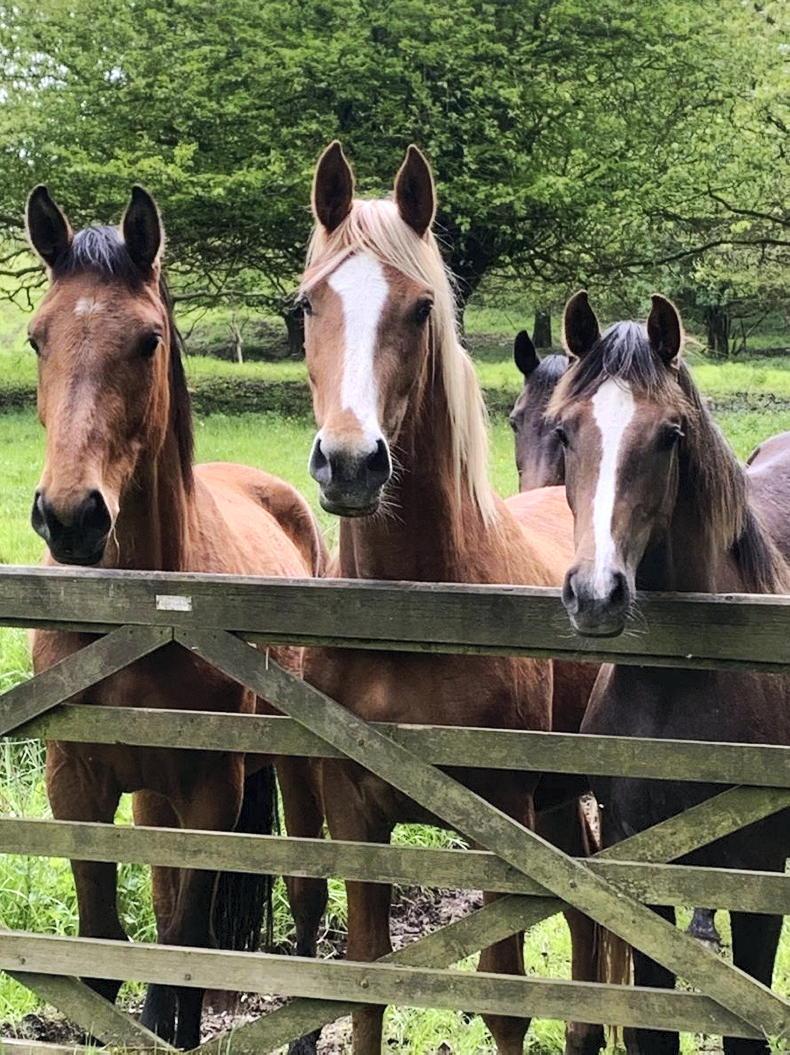
Horses have evolved as social animals, and will live in groups whenever they are given a choice. Free-ranging horses live in herds of varying sizes, usually containing a stallion, one or more mares and their offspring. Domesticated horses, despite being selectively bred for different capabilities over many years, still show the same tendencies to remain close to social companions when that is possible. Strong social bonds in particular exist between mares and their offspring. As grazing animals, the horse’s digestive system is designed to cope with small amounts of feed, at frequent intervals.
Commonly called ‘trickle feeders’, the horse’s digestive system delivers an almost continuous flow of digestive juices, including hydrochloric acid in the stomach. Free-ranging horses, or stabled horses with access to ad-lib forage, will resume eating within three to four hours of their last feeding bout. This ensures that there is not an excessive buildup of acidic gastric juices, as the regular throughput of food engages the digestive juices to break the food down and the absorption of nutrients to take place.
Primary social bond
Grazing animals move continually forward, usually in the company of their social companions. Physical contact is seen frequently, in the form of mutual grooming, standing close together in warm weather where the tail swishing of each horse helps repel insects, and in juveniles, during play bouts. How we manage horses, weaning the foal from the dam, results in the primary social bond being broken.
Depending on the purpose for which they were bred, young horses will be stabled for training purposes and, once the working life begins, are often stabled for the majority, if not all of their day. Stabling systems have been designed to allow humans manage horses with maximum ease. However, compared with the behaviour patterns and social groupings that horses would adopt if left to their own devices, our traditional systems fall short. Physical contact between horses in adjacent stables is rarely possible. Horses can see each other, but do not get the opportunity to interact, work out social dynamics and enjoy the ongoing physical interactions horses in the field would perform. The forward motion of grazing is replaced by stationary feeding, with locomotion limited by the space allowed. Research has identified locomotion and the ability to eat semi-continuously, to be important factors in prevention of gastric ulcers and stereotypic behaviours.
Compatible equine companions
These requirements, alongside the recognition of the need for social contact among horses, are encapsulated in a recently-coined phrase ‘The 3 Fs’- meaning Friends, Forage and Freedom. Allowing daily turnout, with one or more compatible equine companions where possible provide horses with the 3 Fs. This has both physical and mental benefits for the horse.
The physical activities involved in grazing and locomotion outdoors help maintain bone density, muscle tone and tendon and ligament strength. Continuous access to food (grass) minimise the risk of gastric ulceration. Social interaction and the physical contact possible during turnout allow performance of the behaviours horses would adopt if given a choice. In all species of animals, providing them with an environment closest to what they would adopt if left to their own devices is recognised to be optimal for their welfare and mental well-being.
Horse owners sometimes express concern regarding injuries if the horse is allowed out to graze. If done carefully, this is unlikely. An interesting study of insurance claims for equine injuries found that the majority of claims were for injuries sustained in the stable rather than in the field! Where turnout opportunities are limited, social contact can be facilitated by creating windows between stables, lowering walls or removing separation panels. Where done safely (ensuring that compatible horses are stabled adjacent to each other, and that partition height is maintained at a level that a horse is unlikely to get a leg over the top and risk injury), physical social interaction between individuals allows relationships to be maintained and the horse’s need for social interaction to be met.

SHARING OPTIONS: