

 This is a subscriber-only article
 It looks like you're browsing in private mode



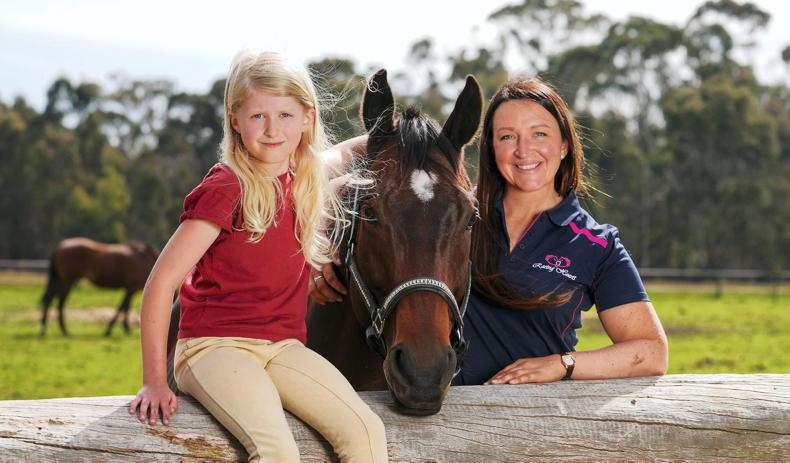
THOROUGHBREDS are already doing an incredible job across the Equine-Assisted Services (EAS) sector, helping some of our most vulnerable people worldwide. You only have to look to Liskennett Farm in Limerick, Racing Hearts in Australia, Greatwood, HEROS and HorseBackUK in Britain, and Square Peg Foundation in America to see these magnificent horses making a real difference.
When you’re selecting a thoroughbred for a second career in the EAS world, the big question should always be: is this the right horse, in the right hands, doing the right job?
Recent research with EAS centres across 15 countries has led to a practical toolkit that helps answer exactly that. The toolkit is based on how real-life programmes choose and care for their horses, and turns that knowledge into four simple tools that can be used on any yard.
Short video-based ‘emotivity’ tests - which assess how strongly or calmly a horse reacts to unfamiliar, surprising or mildly stressful situations - help show an individual horse’s emotional responsiveness and coping style. A quick stable-based observation then helps put words to their general attitude - relaxed, tense, curious or withdrawn. A personality questionnaire assesses key traits such as excitability, trainability and interest in people. Finally, a seasonal physical and behaviour check-up gives owners and practitioners a routine way to spot niggles early, before they become bigger problems.
Thoughtful management
The research, published in the journal Animal Welfare last year, found that temperament - especially how a horse responds to people and emotionally charged situations - is central to whether a horse is suited to this kind of work. It also highlighted that thoroughbreds in the survey displayed more stereotypies and, in some cases, a few specific health needs compared with other breeds. That’s not a reason to avoid thoroughbreds, but it’s a reminder that they often need thoughtful management and retraining, just as the experts across this useful Treo Eile feature illustrate.
The good news is that most EAS practitioners who took part in the research felt that thoroughbreds can do very well in equine-assisted roles, provided their individual needs are understood and respected. The helpful toolkit is there to support that process - for racing and aftercare decision-makers, as well as EAS providers and retrainers - by adding a friendly, evidence-based structure to the judgement they already use every day.
Over the coming months, the findings and toolkit will be shared step by step through racing, aftercare and EAS bodies, before rolling it out more widely to yards, centres and practitioners on the ground.
To use the toolkit, or learn more about the research behind it, contact Racing To Relate or follow updates on dissemination, resources and events at racingtorelate.org or on our socials.

SHARING OPTIONS: