

 This is a subscriber-only article
 It looks like you're browsing in private mode


How did you get into racehorse ownership?
I always enjoyed the sport. My grandfather was a bookmaker so I was used to going racing from a young age. I dabbled with buying a few horses. But if you want to go properly into owning and breeding you need time and money. I was involved in a business we sold in 2006 and then I had both.
I bought some yearling fillies at Tattersalls and then three more and so began my owner-breeder operation, Merry Fox Stud. I wanted to create a dynasty of high-class horses.
What was your best day at the races and why?
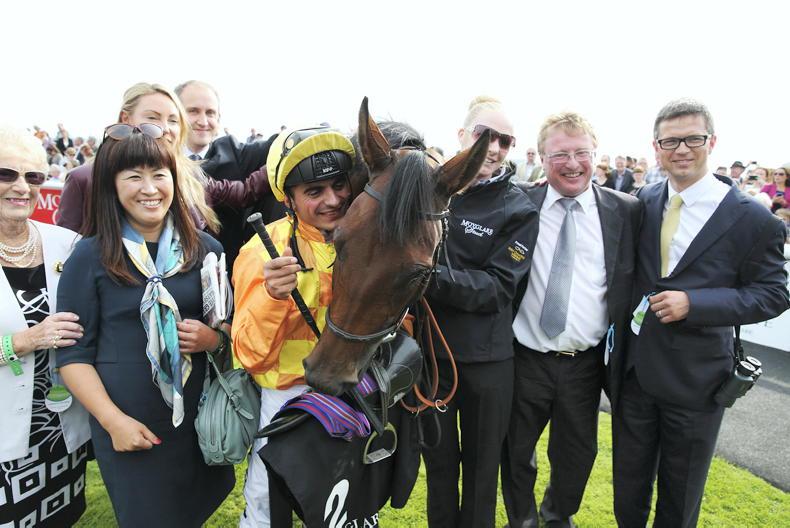
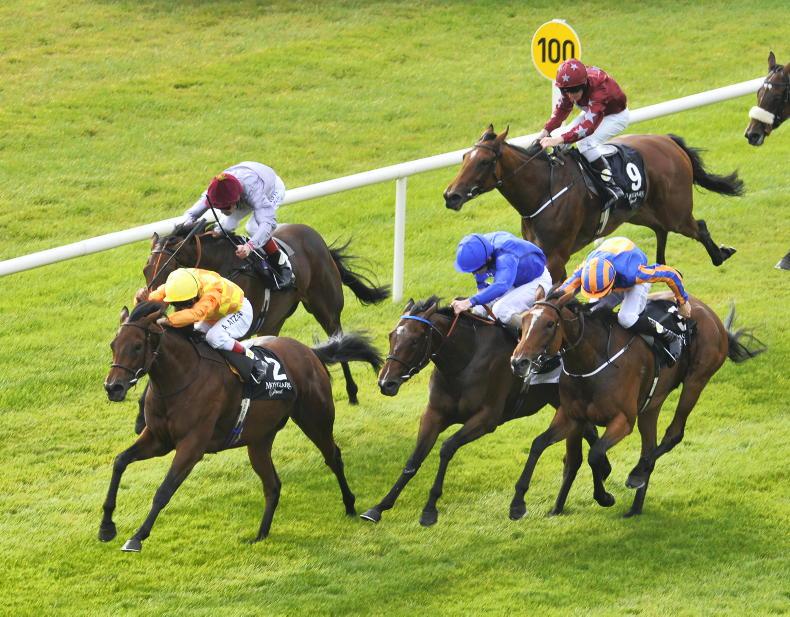
Royal Ascot, June 20th, 2014. My homebred Distorted Humor filly Cursory Glance won the Albany Stakes. She had won her maiden just previously at Kempton in May and Roger Varian knew we had an Ascot filly on her hands.
My mother was there and it is by far the best day’s racing I have had so far. Cursory Glance went on to win her Group 1 in the Moyglare Stud Stakes at the Curragh and has bred winners for me.
Royal Ascot is such an extraordinary experience and to win there with a homebred, it really set us up.
What is the biggest drawback about being a racehorse owner?
The cost. In this game trying to make money is very difficult. The Australian model of ownership might offer more opportunities.
But I think most owners are involved for the love and passion for racing and their horses.
The first horse I raced, Money Trix, won first time out at Kelso in January 2006 and the prize money was £3,200. That’s the level of prize money which still pertains in Britain.
Money Trix won seven of his 15 races, but he was fatally injured in the Irish Hennessy – it put me off jump racing.
I decided to concentrate on the flat. I’m an accountant by profession. I knew that if I wanted to buy high-class yearlings and build a quality broodmare band, I needed expertise which I didn’t have and I would have to fill that void.
I read an article in Pacemaker which featured Gary Hadden and we got in touch and he became my bloodstock consultant and plans all the matings. He does a lot of consultancy for Newsells Park and other clients.
I needed the information that Gary provides.
In your experience, which racecourse in Ireland treats owners the best and why?
I haven’t been to many. The Curragh is the finest racetrack for horses in the world and now they have upgraded the facilities it’s very comfortable.
Flat or jump racing, which do you prefer and why?
As I explained, I don’t want the possibility of my horses being fatally injured, so I own flat horses now.
What qualities do you look for in a trainer?
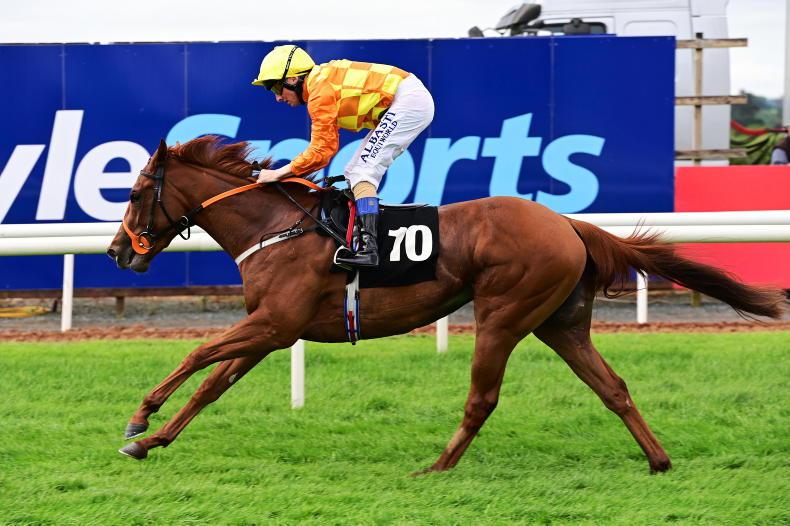
Paddy Twomey has had a recent homebred winner for me, Treasure Trove at Down Royal.
Francis-Henri Graffard trains for me in France.
I have a number of different trainers in Britain: Roger Varian, Roger Charlton, James Fanshawe. David Menuisier, William Haggas, and I have also had some horses with John Gosden.
I’m looking for good horsemen, someone who is straightforward and honest. The trainer must tell you if the horse is no good, I want to race good stock.
Paddy Twomey is a good communicator as well as being a good trainer – the stats speak for themselves.
You want to enjoy yourself racing so you have to get on with your trainer. Have an opinion. Don’t interfere with the training but get involved in the campaigning of your horse, have an input.
What improvements would you like to see racecourses do for owners?
It depends. Some do a great job. Chester is fantastic, they look after owners so well. Same with York. Other courses can be more of a challenge. It comes down to the standard of management.
How do you think the current crisis will impact on racing in general and on ownership in particular?
It will and it won’t! People with money still seem to want to indulge in racehorses. In a recession some people experience a downturn to their finances and get out of racing. Others can experience a boom.
Some syndicate members could encounter difficulties and retrench.
We’ve had crises before. It was a tale of woe during the pandemic or when Sheikh Hamdam died – there would be no more Shadwell.
But look at the trade at the recent National Hunt sales in Ireland. The market rides it out.
What significance do your colours hold?
I wanted to have bright colours. At the beginning of my ownership days, I had jumpers with Nicky Richards in Cumbria. I was visiting up there and there was a flower seller at the side of the road selling orange and yellow flowers. The colours were so vivid and that inspired my colours.
When buying a horse, what do you look for?
We buy very few, mostly breed. We have 20 mares and three mares in partnership with Newsells.
What I look for is pedigree, pedigree, pedigree and performance if I’m lucky and depending on budget. You have to pay for the good performers.
Gary Hadden advises me and other people I trust.
I don’t enjoy selling but it keeps the wheels of the business oiled. Last year I sold a filly at Tattersalls for 680,000gns, by Sea The Stars out of my mare Time Control, a half-sister to Cursory Glance. She was absolutely beautiful and hard to let go but luckily we have more of the family.
What horses do you currently have in training?
Twenty in training – just one currently in Ireland.
What’s next on the agenda for your?
More of the same hopefully. With the breeding season just finished we have 16 foals on the ground and 16 mares are back in foal out of 22. In September, Gary Hadden will start all over again planning the matings.
For Treasure Trove we are looking for some blacktype.
Acer Alley won the Prix La Rochette last year but things didn’t go as planned for her in the Pouliches. Hopefully she can bounce back.
Voodoo Queen won at Newmarket in April and we will look to enter her in listed races.
Have you any young horses to look forward to?
Plenty of foals and yearlings.
What do you do with your racehorses when their racing days are over?
I don’t have a stud, I’ve had a business and I don’t want to have the responsibility of staff.
I board my mares at Ballylinch in Ireland, Fittocks Stud with the Cumanis in England and Haras du Buff in France.
It’s a matter of great pride and interest to me what happens to my horses when they retire from racing. They must have a good home.
Spanish City, who was second in the Ayr Gold Cup, has gone to two lovely people to be cared for.
Purple Moon, who won the Ebor, is in a kind of love affair with Francesca Cumani so he’s happy!
Some horses go to the sales and can still enjoy a racing career with new owners. If some have to retire through injury, I know a lovely lady in Sedgefield who rehomes horses, some have great success on the racehorse to riding circuit. They have to have a good home and life after racing – it’s very important to me.
What would help to make Irish racing more competitive for the smaller owner/trainer?
The Irish programme offers good opportunities for me. The only problem is that you are racing every week against Pep Guardiola, i.e., Aidan O’Brien!
What advice would you give to someone thinking of becoming a racehorse owner?
What you have to do is consider your budget and know what you can afford. That includes all the hidden costs apart from the training – the vets’ bills, the farrier, stable staff, entry fees etc.
Try to find good people around you that you can trust and have fun.
Craig Bennett was in conversation with Olivia Hamilton


SHARING OPTIONS: