

 This is a subscriber-only article
 It looks like you're browsing in private mode



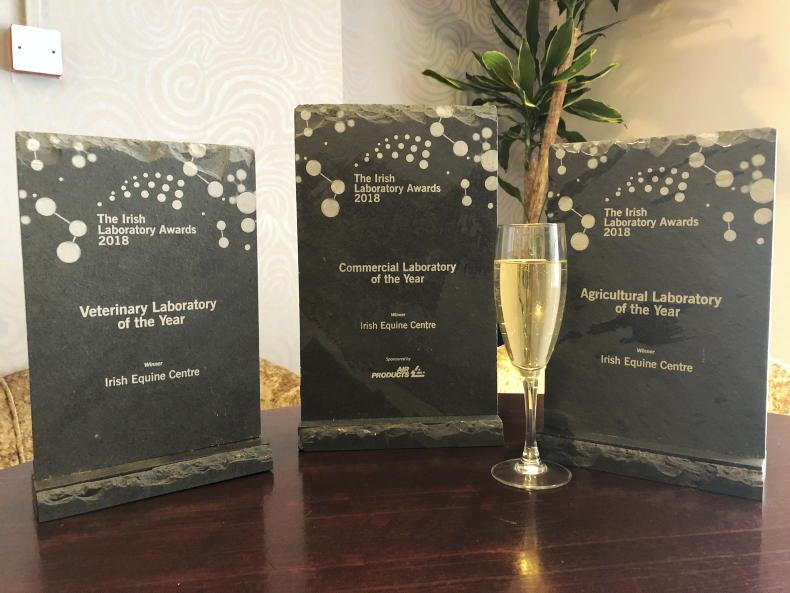
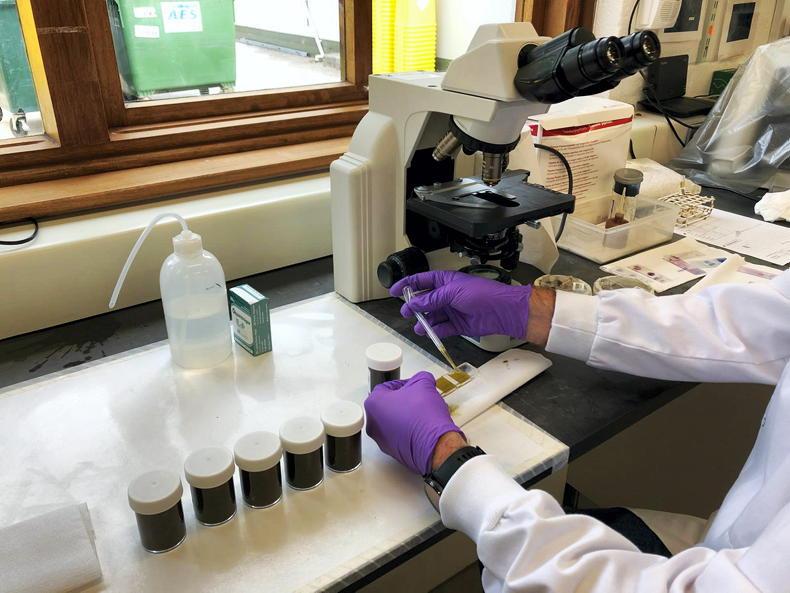
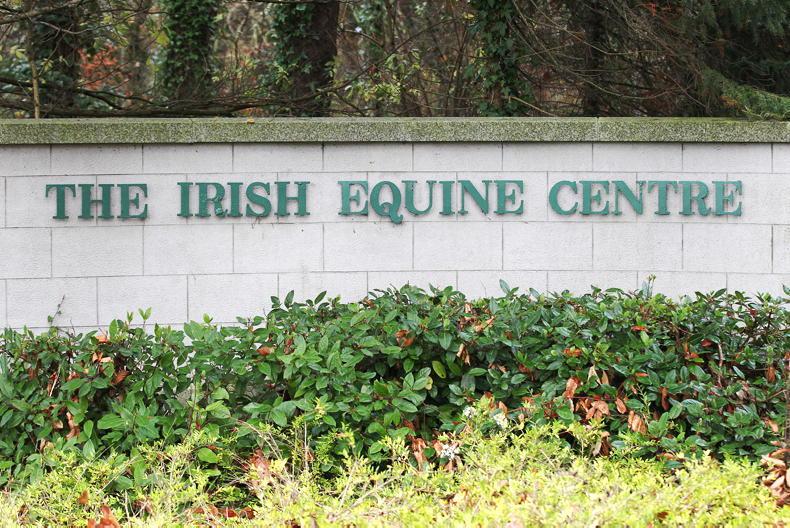
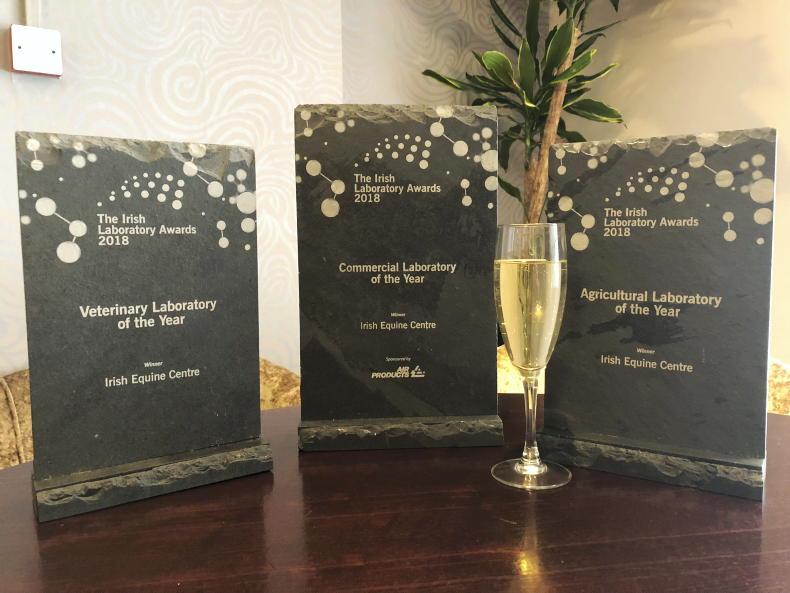
THE Irish Equine Centre is celebrating its 40th anniversary this year. It is in place primarily for the surveillance of the herd health in Ireland, which has so many implications for the ability of Ireland to export and have free movements.
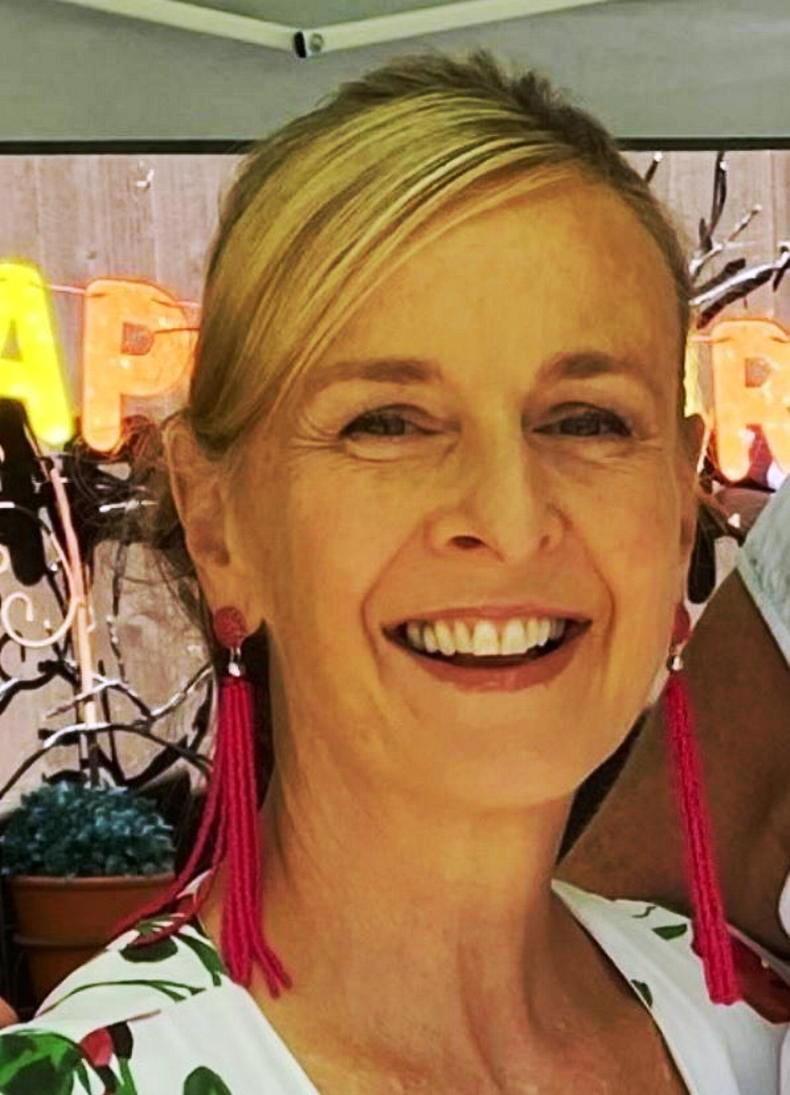
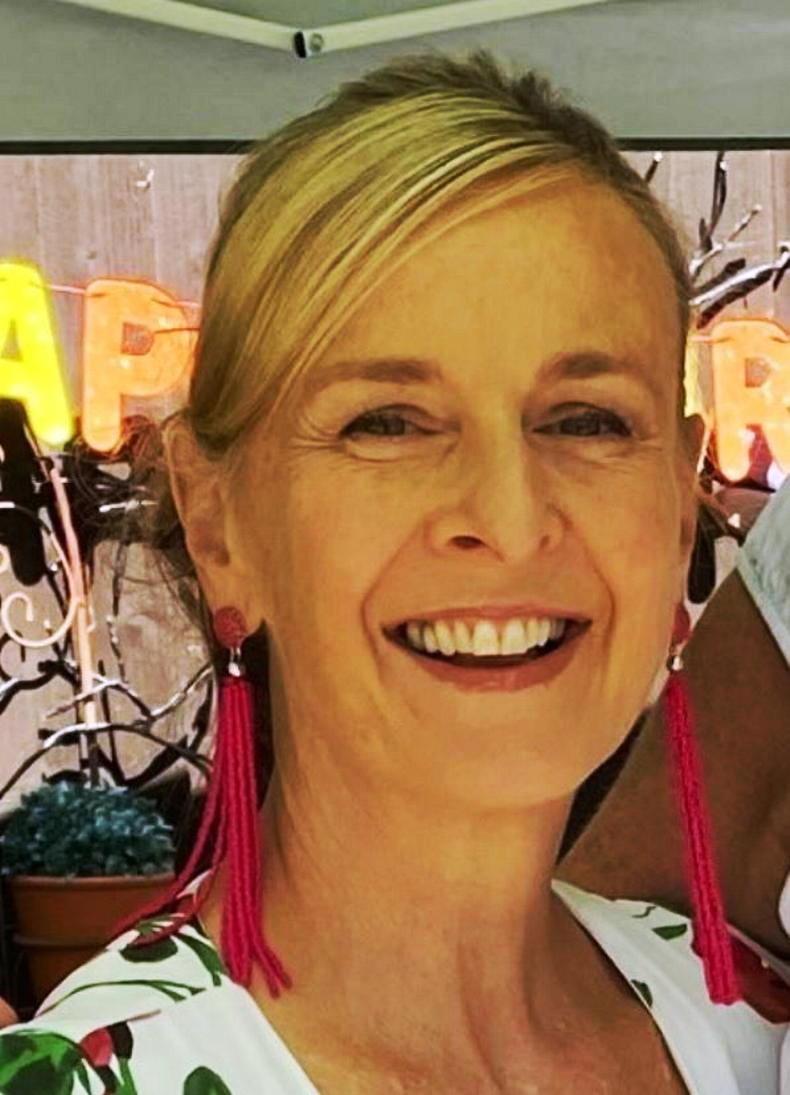
Since she joined as CEO in March, Debbie Grey has been working to get a major strategy plan in place. “I’m so lucky to have joined an organisation that has got staff who are so dedicated and passionate about what they do. One of the first things I did was speak to the unit heads and the staff.
“Without exception, they were glowing in terms of why they’re working here. They are fascinated by the science, they have remained at the forefront and cutting edge of what they do. It’s inspiring to work with the most phenomenal brains.”
Does Grey have confidence that she can bring success to the IEC? “I suppose the proof of the pudding will be in the eating. One of the things that I really try and concentrate on is people, and it doesn’t matter what sort of role you do. People are people and they want to feel valued and heard, whether that’s our staff, or our clients.
“We’re in a service business. It’s really important that we keep that at the heart of what we do. I think the fact that people can phone up, whether you own one horse or a hundred, and you’ll get treated exactly the same is really important. Communication is key to everything,
“I hope that I will be able to build on the great work that Sarah [McNicholas] did. She definitely shored it up and made sure that it was a viable commercial entity. When she took over it wasn’t doing well financially, but it’s a steady ship at the moment. We don’t have lots of money, but we keep our heads above water. Now it’s building on that.”
While it has many of the best international experts in their fields, is it frustrating that it is poorly housed at Johnstown? “In terms of individuals we have the best. They are speaking to people all over the world on a daily basis, representing us in the most amazing way.
Highest regards
“So, in terms of relationships, I think people really hold our expertise in the highest regards, but our building probably lets us down. We know we’re important in a crisis, but what else do we do? It’s trying to get across how important it is that investment is made into emergency preparedness, the vital role which that actually plays, and how it benefits every horse owner.
“That’s the one message that I hope everybody can take home. In terms of all the facilities that need to be in place, and the ongoing work, we can’t just have a knee jerk reaction when crises happen. The emergency preparedness protocols in place are constantly being revised to make sure that Ireland remains in the best shape possible to be able to deal with issues.”
Is it a fault of the IEC that it only comes to prominence when there is a problem? “Absolutely. I suppose it is a fact that if things are going really well you don’t hear about us. We are under the radar, but I think in terms of feeling appreciated, I would say that a lot of our clients and customers are really grateful, and often are vociferous in their thanks. We feel really responsible for the high health status that Ireland enjoys.
“I think it’s quite hard to try and do an impact study to say what is our worth here at the centre? How do we prove that in numbers? We were not here 40 years ago and what happened then? We had an emergency that wasn’t dealt with like it should be, and so we came into existence. We never want to go back there again.
Underfunded
“If you think of it in that sort of terms, then there shouldn’t be a reason why we are underfunded, because the investment that is put in here is absolutely vital. We are often referred to as the insurance policy. It sometimes can have a negative connotation, where actually I would like the term investment to be used more often, because that is exactly where we sit.”
Can you do more to get the message out there? “I think the stories that we can tell we should do quite prominently. The confidentiality with which we act, and will always maintain, is really, really important to people, and we don’t ever want that to be lost, and people are worried that we might breach confidentiality.
“In a lot of the things that we do, and great results that we’ve had, we’ll never be able to mention them because it was for one person, and that person paid the bill and we keep it between us. In terms of collective things, I think it is something that we could be stronger at. In terms of our strategy and increasing communications with stakeholders, it is high up on our list.”
How has Grey tackled the issues of staff and morale, and has she had any kickback to being a non-scientist? “I think that, unless they’ve just been really polite, everybody has been incredibly welcoming, and pretty patient with me and the questions that I’ve asked. I am quite an open person, what you see is what you get.
Feedback
“I’m trying to increase communication internally and externally, and have been out and about and met quite a few of the stakeholders already. I’ve sat with the staff quite a lot and introduced some bits of communication to try and make sure that they get to know me, and I them. Being approachable is absolutely important, and open to feedback.
“One of the biggest reasons for talking to stakeholders is for me to get a sense of whether they understand where we lie, and what are they happy with? Are there areas they feel we could be doing differently or better, or they want to see more of? The unit heads, because they work in the world of being curious, they are really interested in feedback, and they take it enormously well.
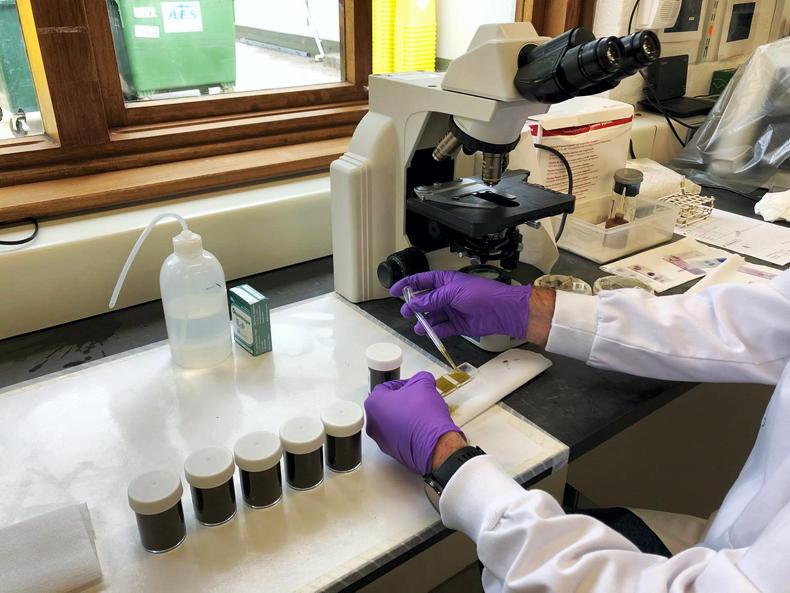
“One of the strengths here is human interaction, the fact that if you send in a test you can speak to the person who actually ran it. Most of our work is done through vets, but we are hopefully seen as an aid to them, not a competitor. What we actually do is really important for breeders and owners.
“I think the other thing, from a staff perspective, if that we operate in a very competitive arena. They’re highly-qualified, sought-after individuals. Those who are with us, their absolute love for the job is the reason that they stay. I hope that we continue to develop that, and that they feel that they are as important as they are.
Amazing team
“We’ve got an amazing senior team who have also been here for a long time, some who started out from college and they’ve only ever worked here. Quite a high percentage of our staff have done their masters and PhDs through us, and they get supported and funded. We try and really look at things flexibly to accommodate people if we can. That’s crucial in today’s workplace.”
Funding is a constant issue, and one that Grey is keen to tackle. “It’s a tricky one, because if we are to continue to serve the thoroughbred industry as we do, we are always going to need funding from the Department [of Agriculture] and from HRI.
“It is vital that post-mortems are free. The other thing is we try and keep our testing as cheap as we possibly can, so that it is more accessible to people. I don’t think that we will ever get to a situation where we won’t require funding from the Department or from HRI. Having said that, we do some commercial testing ourselves, which is what we need to do to try and plug that gap. It is a tricky balance always, because people want us to be equine focused. So it is a bit of a tight rope.
“Everything that we do is primarily equine focused, and always will be.”
White knight
Housing quality staff and expensive and sensitive equipment must be a headache? “I was brought up in the Disney era, so I think everybody wants the white knight to come galloping in to rescue us. Wouldn’t that be nice? If you find them let me know, Leo.
“We have applied for a new Equine Health Campus, and we’re waiting to see if we will receive funding for that. That has to do with Brussels at the moment. Pending that, we are putting one big fat plaster on top of another. We have a very unprepossessing building, but also we may in time not be insurable, which is obviously a huge worry.
“We are working really hard and looking at different situations in terms of keeping going. We’re desperate to upgrade the facilities. In what guise that is going to be is a big question at present.”
How does Grey view the challenges personally? “I am an eternal optimist, I have to say. I am somebody who is solutions-oriented. That’s what I really enjoy, problem solving. I like trying to think outside the box, and to think that there is not just one way that we can solve this.
“It’s not just down to me; it is a collaborative thing, working as a team. So personally, I absolutely relish it and think it’s wonderful. I’m thrilled that I took the job, I’m thoroughly enjoying it all.”
Exotic background that shaped Grey’s life
“I WAS born in Zimbabwe, and then lived there until I was five before moving to South Africa. My dad was a Minister of Religion, so when he was called to a different church, off we went, and we moved around quite a lot as children. I found that exciting.
“I’ve always enjoyed change and travel, and just being able to see a new place. I think it’s made me quite adaptable, and you learn that home is where the heart is, wherever you make it. I went to junior school in Pietermaritzburg, which is a tiny town between Durban and the Drakensberg mountains.
“Obviously, at the time it felt to me like a completely idyllic childhood, but I carry quite a bit of guilt if I’m honest now, and I look back and think it was apartheid South Africa. I was ignorant about how so many people lived, despite the fact that our parents were really open.
“They were not racist themselves, and we had a lot of black travellers who would come in to live with us because my dad was helping them with their doctorates - he was into adult education. We were taken into townships as children quite a lot to help with the ministry.
“Then I went to Grahamstown in the Eastern Cape for my senior school, before coming back home to my first job. My parents said, ‘well, we can’t afford for you to go to university and have your horse. So what are you going to do?’, and I said, ‘I’ll keep the horse and do my degree through correspondence.”
Horse-mad
Having a horse sounds unusual, given her family circumstances.
“No one else in my family was into horses, but I just seem to have been horse mad since I was little. I used to work at stables every weekend, cleaning tack to pay for my own lessons from the age of 10. I used to go up there before school in the morning, and then straight there after school again.”
Independence was instilled at a young age. “Being brought up that if you want something you had to work for it was a necessity from my parent’s perspective, because they didn’t have pots of money. We always lived in a house that the church provided, in a place where there is no welfare state. So you make a plan and grow things around that.
“My first degree was in English and sociology. I’d get up at six every morning, do my university studies for a couple hours, and then teach in the local riding school. That paid for keeping my own horse, and I used to teach from 10 till six, Monday to Saturday.
“I think I always had more discipline than intellect, so I had to work hard at my studies, if I’m honest. I am quite a disciplined individual.”
Life-changing
Grey’s early career saw her move quickly from banking to working with the Cerebral Palsy Association. The latter was life-changing. “I suppose that my whole life has been interwoven with charitable things, and that probably comes from my religious upbringing. It involves looking after others, taking responsibility, and also sharing a talent, money or gift with people.”
After three years she was drawn back to horses, and worked in an equine veterinary practice – effectively a nurse without being qualified. It was a practical role which she enjoyed.
Married at the time to someone who used to compete a lot, they had a very special horse who ended up being a top performer. This led to a move to Johannesburg, and a role in recruitment consultancy. Grey rapidly moved into a position of importance, and it was a time of huge change in South Africa.
Being shot at and burgled, her husband many times hijacked, taken off, beaten up and left on the side of the road in a township proved to be the final straw, and they moved to Britain. It was challenging. “We had £700 between the two of us, a suitcase each, and we’d never before been out of South Africa.”
Tough time
Grey remained in recruitment, working in Covent Garden for a few years. Pregnant after six weeks in England, the birth of her daughter was a tough time in her life. However, the company realised her value and she stayed. Meanwhile, she and her husband started breeding warmbloods, near Stevenage.
Being busy is part of Grey’s DNA. “I’ve always loved working. I didn’t find being at home with a small baby terribly stimulating, as much as I adored her, and I think maybe it’s a sense of being self-sufficient as well; that’s really important to me.
“Just before my daughter was born, my husband arrived at his job to find the doors had been shut and their company closed up overnight. He has always been entrepreneurial and with a friend opened up their own company, which then became quite successful. So I then left recruitment and worked with them.
“So again, not by design, but we got divorced. I sold my shares and started looking for a job. I lived in Newmarket, we had had six horses on the flat, a small stud, and I had done some pin hooking. I needed something local, because as a single mum you still want to be able to have the flexibility of being close to your child if needed.
Worked out
“I started working for the National Association of Racing Staff. It worked out well, and I learned so much, thanks also to an MBA through Liverpool University. To become part of an industry that has got so much to offer, I thought it was fantastic.
“I definitely felt it opened lots of doors for me. From there it took me into a role at the Racing Centre, which is a charity in Newmarket They’d had a few CEOs that had come and go, and it wasn’t doing terribly well, and George McGrath, the chairman, asked if I’d help, which I did for about 18 months. Then I went to the BHA for a very short stint as part of the whip review consultation.
“Covid hit and that was all placed on hold. Although I was furloughed, I just thought that once the world came back to normal how high on the agenda would the whip review be. The fact that someone was paying me to do nothing as such, I felt quite guilty if I’m honest.
“I saw the job as head of operations for the Injured Jockeys Fund advertised. What a fantastic organisation to work for. The work they do is absolutely phenomenal, and they had the most incredible team. It’s a tough gig dealing with people in really difficult situations, sometimes devastating situations. You get to see a really intimate side of people.
“I was in awe of the team that I managed, I have to say. I loved my job there, but I think I always thought that I had a little bit more in me. So I saw this advertised [CEO of the Irish Equine Centre]. I’m not from a scientific background at all, I had more of a commercial and business background, and I wasn’t even sure I would get an interview. Yet, here I am.”

SHARING OPTIONS: