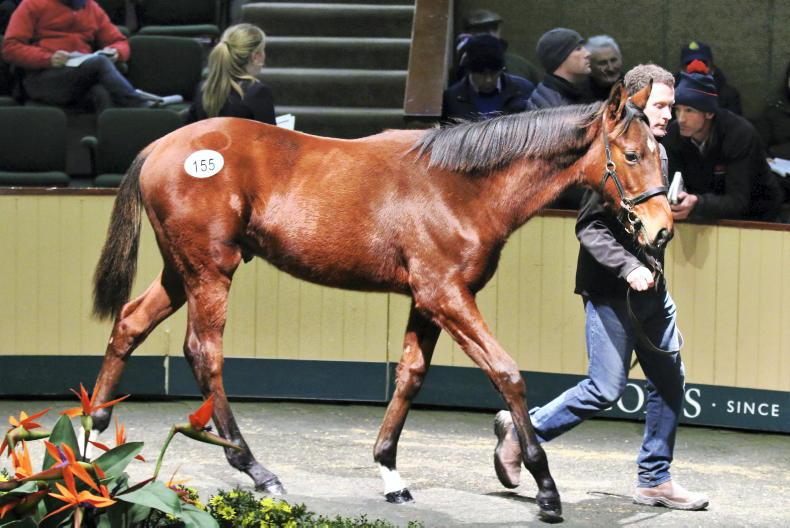
IRELAND has long been recognised as one of the world’s foremost producers of high-quality thoroughbreds. With a deep-rooted breeding tradition and a globally-respected bloodstock industry, it seems natural to ask whether more could be done to support the very people who produce these horses - the breeders. One proposal that surfaces from time to time is the introduction of a breeders’ premium on sales: a system where a small percentage of the sale price is returned to the breeder. But would this be a help or a hindrance?

Encouraging reinvestment

For breeders, margins can be tight. The cost of producing a thoroughbred - from stud fees and veterinary bills to feed, labour, and sales prep - is significant. Yet breeders often see little reward unless they produce a headline-making runner or top-seller. A small percentage-based premium (perhaps 1–2%) on public or private sales could offer a consistent return to breeders, helping offset costs and encouraging reinvestment in Irish bloodlines.

Financial rewards

Such systems already exist elsewhere. France operates a premium scheme, where breeders receive direct financial rewards based on performance and sales outcomes. This has arguably contributed to France’s strong domestic breeding base (plenty of breeders from outside France send their mares to breed and foal in France to avail of the premium). Could a similar system in Ireland incentivise quality breeding, help sustain smaller operations, or potentially enhance the long-term health of the national herd?

There’s also an argument for fairness. It could be argued that breeders invest the most at the earliest - and riskiest - stage of a horse’s life. A premium could be seen as a recognition of that foundational role, especially in a market where downstream participants may see the lion’s share of profit.

Added charges

On the other hand, introducing a levy or mandatory premium on sales could disrupt our highly successful bloodstock market. Buyers may resist higher costs, and sales companies could argue that any added charges could drive business to other jurisdictions. The current system, with its relatively low friction and high transparency, is seen by many as a core strength of the Irish market.

Critics could also point out the practical issues. Who would administer the premium? Would it apply only to public sales, or also to private deals? What about foals and yearlings versus horses in training? Without a robust and fair framework, implementation could be uneven or open to manipulation.

Additionally, some question whether a sales-linked premium truly supports the right breeders - or just those already selling high-end stock. There’s a risk that such a system could disproportionately benefit larger operations, leaving smaller breeders no better off. A breeders’ premium on sales has the potential to support Ireland’s breeding industry, but only if it is carefully structured, transparently administered, and sensitive to market dynamics. As with any proposal affecting a world-class sector, the devil would be in the detail.