

 This is a subscriber-only article
 It looks like you're browsing in private mode



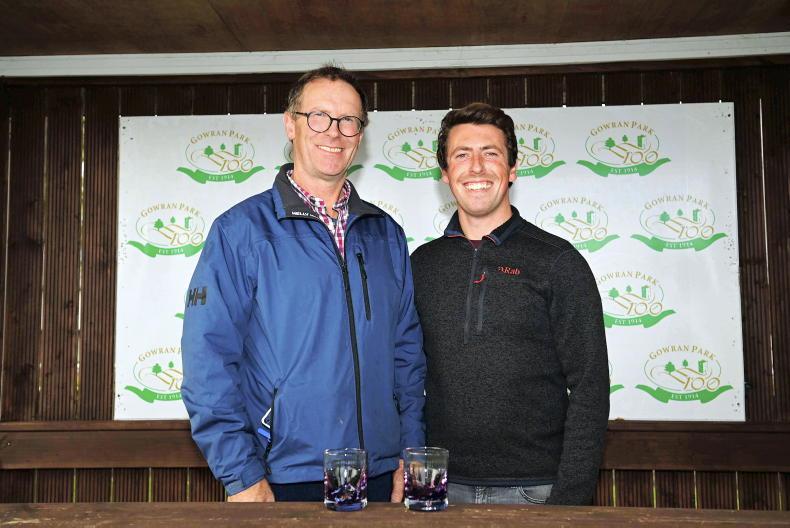
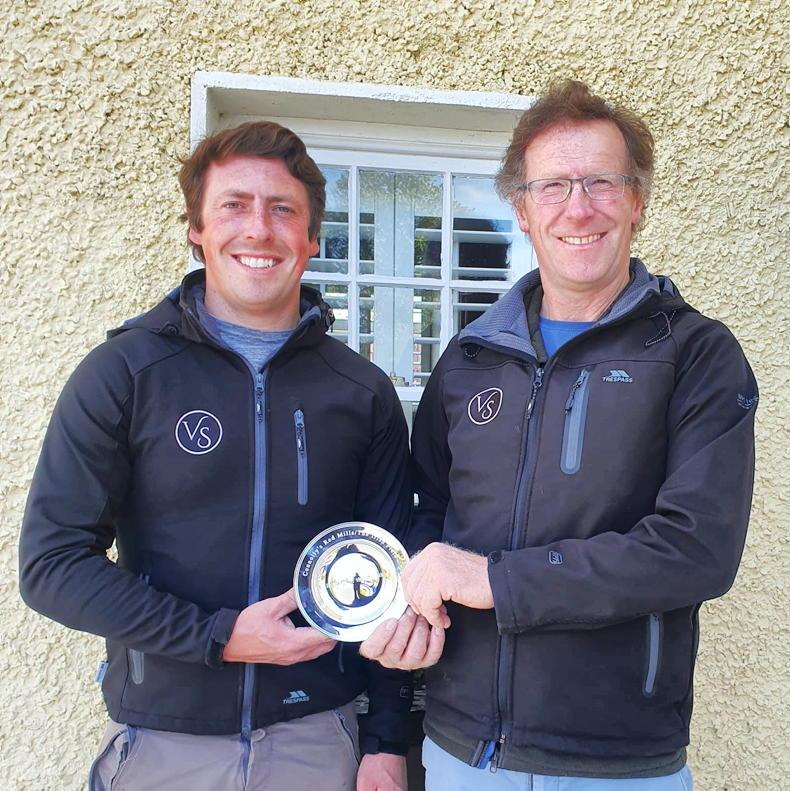
TOGETHER with my partner Viv and son Billy, we run a stud farm outside Kells in Co Kilkenny called Vinesgrove.
I bought Vinesgrove in 1992 so we are now in our 30th year operating from here.
Initially we set out to breed flat horses to sell. That’s more or less still what we do but over the years we have added a few other dimensions to the outfit.
I did the trainer’s course in 1999 and have held a licence ever since. My late father Martyn ran Rossenarra Stud for many years and it is now run by my brother John. It’s where it all started for me and I still only live a mile away. I have many great memories of going racing with my father as a young boy.
How did you get into racehorse ownership?
I took out a trainer’s licence in 1999 and did so with a view of training some of the horses that we couldn’t sell.
The first horse to carry my colours on a racecourse was a mare called Optional. Dad and I attended the Breeding Stock Sale in Newmarket every year and we picked this filly up for 800gns.
She was a chesnut filly and had an obvious temperament but she had shown a fair level of ability for Brian Meehan, including running in the Cheveley Park as a two-year-old.
Best day at the races and why?
I’d have to say my best day at the races was training Optional to win a maiden at Fairyhouse.
She was the first horse to carry my colours to victory and you never forget your first winner as an owner.
Additionally, it set in motion a chain of events that brought us to where we are today. Optional later produced a colt foal by the last crop of Danetime who went on to realise €240,000 in the Sportsman Sale in 2007. A record price for the sale that stood for 15 years until recently being toppled by Abbeville’s Ten Sovereigns filly. With the money from that sale my brother and I bought a share in Yeomanstown’s new sire for 2008. He turned out to be Dark Angel.
Suffice to say it was 800gns well spent.
What’s is the biggest drawback about being a racehorse owner?
In my experience as both an owner and trainer, the biggest drawback and most frustrating thing is the array of problems you can encounter in preparing a horse for the races.
Anyone who owns a racehorse will know what I’m talking about. Between injuries, niggles, fillies turning up in season, coughs, colds, going off their feed. The list is endless. It certainly teaches you patience and to never get too far ahead of yourself.
In your experience which racecourse treats owners the best and why?
There are a number which deserve an honourable mention but I’d have to go with my local track Gowran Park.
I think Eddie Scally and his team do a great job. Maybe it’s because I know so many people when I go there but you always feel welcome. There are also great facilities for owners to enjoy when they have a runner and not to mention a great view of the racing from the rooftop bar.
Flat or jump racing, which do you prefer and why?
I prefer flat racing. I follow the jumps as well but I’ve got flat racing in my heart.
I suppose it’s the way I was raised.
My father who has definitely had the most profound influence on my career always bred horses for the flat.
Ironically, he is better known for the great jumpers he bred including Red Rum, Remittance Man, Bachanal and Treble Bob. He’d kill me for admitting it on his behalf, but he arguably got more satisfaction out of breeding speedy two-year-olds to win average races then he did from the jumpers he bred winning Grade 1s.
His devotion to breeding fast horses for the flat left it’s mark on me.
What improvements could Irish racecourses make for owners?
I think it’s all about having a good experience at the races. Particularly as an owner as you put so much time and money into getting your horse there. A lot of racecourses in Ireland are excellent for owners but some fall short.
I was racing in York once and I thought the facilities for owners there were fantastic. For starters, the owners and trainers bar has the best view of the racing, it’s close to the parade ring, and if you have a winner there’s a dedicated room for a drink and to watch a reply of the race. I think if Irish racecourses followed that blueprint then they wouldn’t go too far wrong.
What horses do you currently have in training?
We train all of our horses ourselves and I own our most recent winner Fools Glory, a three-year-old filly by Cotai Glory. I also have a three-year-old gelding by Helmet called Little Trigger and a Fame And Glory five-year-old called Mareintheair.
I train my brother’s horse Angel On Fire and a nice Flemensfirth horse for some great local clients who is yet to run.
What’s next on the agenda for your horses?
We are hoping to run Fools Glory in Galway on Monday. She really relishes heavy conditions so hopefully the ground will turn up like that.
Little Trigger will have one more run over hurdles before getting a break.
Angel On Fire has been lightly raced all year and will now turn his attention to the all-weather on which there are some very suitable races coming up in November.
What do you do with your racehorses after racing?
We mainly train fillies and a lot of them feed into our breeding operation. We have also rehomed horses through the Irish Thoroughbred Agency and there are more outlets then ever before that help racehorses find new homes in different disciplines, such as Treo Eile.
What would help make Irish racing more competitive for the smaller owner/trainer in Ireland?
I suppose more prize money in the 47-65 grade wouldn’t go astray. The purists won’t like to hear it but that’s where the majority of horses and indeed smaller owners and trainers are competing.
We have seen some races introduced in the NH programme to facilitate lesser horses such as, unplaced maidens, maiden handicaps, and races for trainers who haven’t trained 20 winners in the past year.
Something similar would be welcomed on the flat. The sales vouchers for winning the two-year-old maidens are great, but it would be nice to see some portion of them extended to nurseries to help the smaller owners get in on the act as well.
What can trainers or the HRI do to encourage people to keep horses in training at the moment?
It’s difficult for trainers to do more than they already are and a lot of them are working on a tight budget.
I think that gallop mornings and open days are a great for keeping owners involved and for creating a buzz that helps them stay in the game. They are also fairly cheap to run and don’t cost trainers much more than time.
I also think an open trainer trail, similar to that of the Irish stallion trail which has been so successful, would be good in bringing the best efforts out of trainers/HRI and even ITM.
What advice would you give someone thinking of becoming a racehorse owner?
I think it’s very important to find somebody you can trust. Go and talk to racehorse trainers and see their places. The large majority of them are very approachable and will be happy to talk to you and show you around. You’ll know pretty quickly if dealing with them is something you want to do.
Try and stay within your budget, whether it’s €10,000 or €100,000. No point in falling out with your money.
Prepare for plenty of setbacks and disappointment along the way, the very nature of the sport means that losers will outweigh winners.
There are only seven races on every card and seven winners, but hang in there for the winners, because nothing gets your heart pumping like watching your own horse pass the post in front.
Paul McEnery was in conversation with Sophie Mellett.


SHARING OPTIONS: