

 This is a subscriber-only article
 It looks like you're browsing in private mode


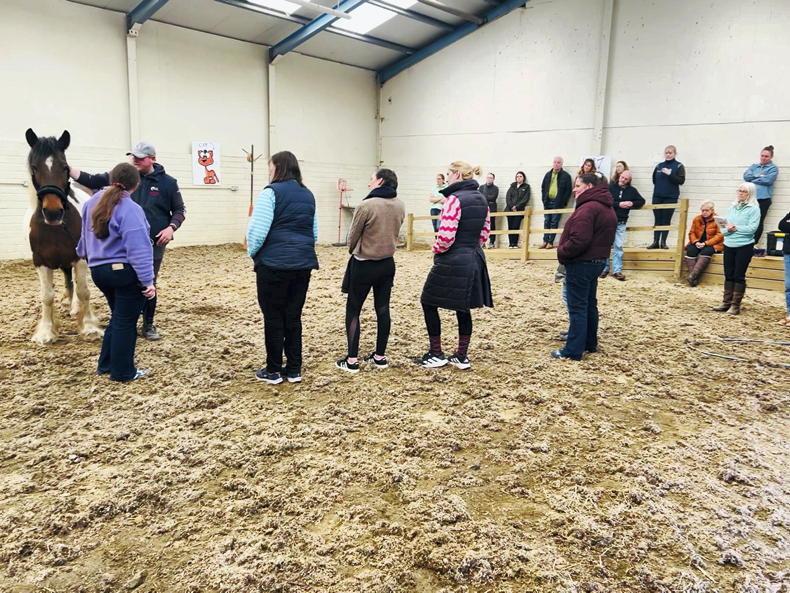
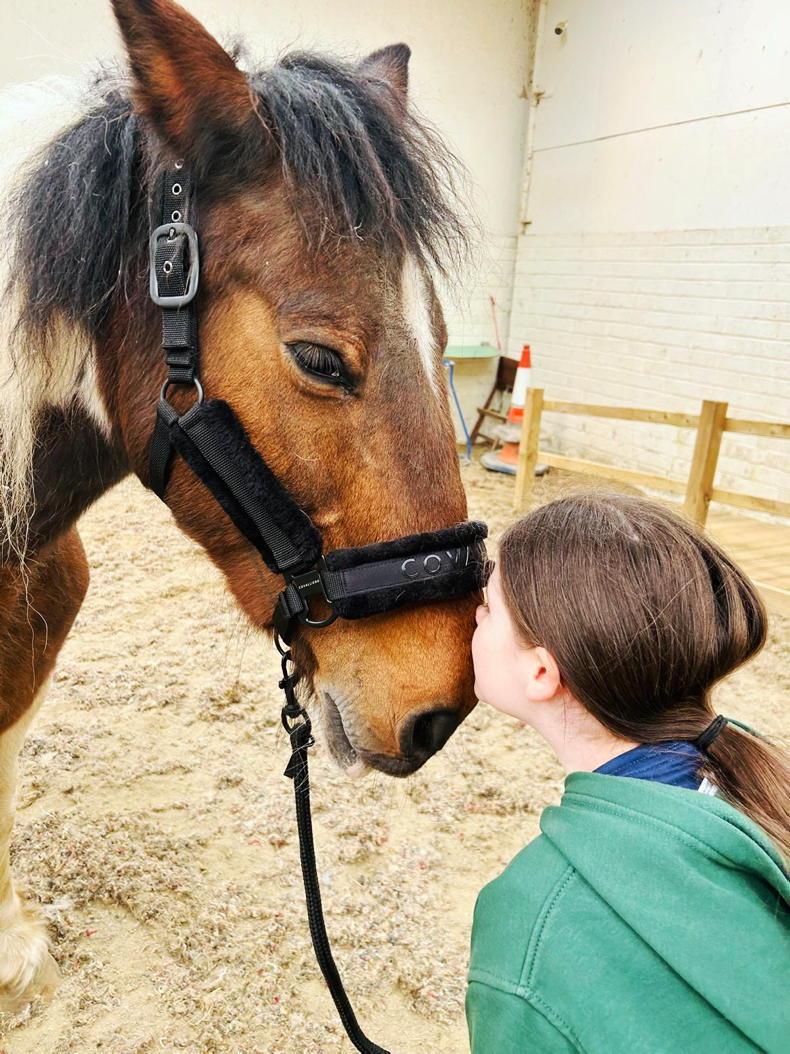
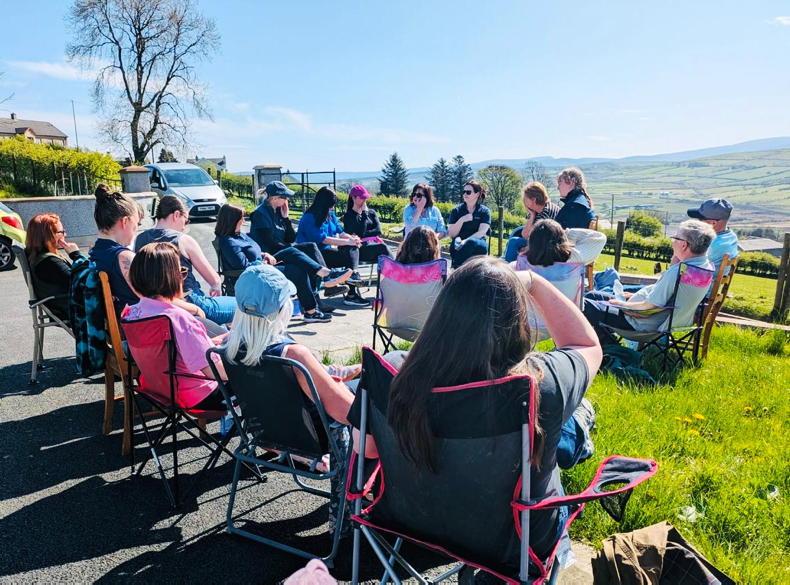
A QUIETLY transformative initiative rooted in the countryside outside Claudy near Derry/Londonderry, Northern Ireland, is celebrating both its impact and its ambition for what comes next. The Be Wild project, led by the inspirational Gortilea Social Farm, has completed a two-year intervention programme with horses and nature, that has supported children, young people, adults and families of all abilities across the Derry and Strabane area.
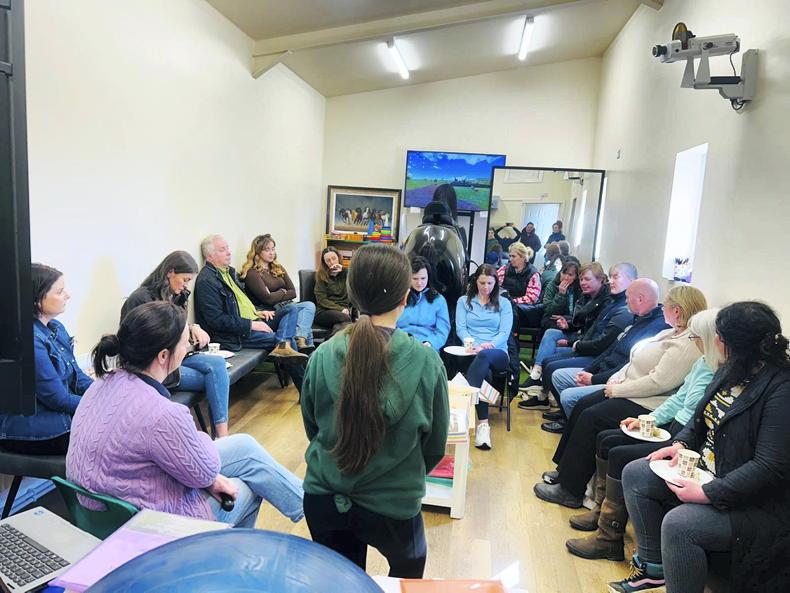
At their recent end-of-project event, organisers, participants and stakeholders gathered to reflect on outcomes, share experiences and outline a future vision centred on inclusive well-being support through community and therapeutic care, nature and equines.
Clare McMonagle, director of Gortilea Social Farm and occupational therapist, told The Irish Field: “The programme was a truly collaborative effort. We are proud to have significantly exceeded our original targets,” she said. “More than 140 local people engaged with the programme, demonstrating the growing need for inclusive well-being services that combine nature, therapeutic intervention and meaningful community connection.”
Measurable outcomes
The Be Wild project operated across three distinct levels of support, each delivering measurable outcomes. At its most specialised level, children and adults with complex disabilities or mental health needs accessed one-to-one hippotherapy sessions.
Hippotherapy is a specialised form of therapy that uses the movement of a horse to support a person’s physical, sensory and communication development. Delivered by trained therapists, the horse’s natural, rhythmic gait helps improve balance, posture, coordination and muscle strength, while also encouraging confidence, focus and emotional well-being.
Hippotherapy is widely used for children and adults with conditions such as physical disabilities, neurological disorders or additional support needs, offering a unique, engaging way to achieve therapeutic goals.
The project results were striking. One child developed gross motor skills to the point of completing everyday tasks independently and participating in sports that had previously been beyond their reach, while another young person communicated verbally for the first time.
Alongside this, small group GAITS programmes, focused on being active, taking notice, interconnecting and helped participants build confidence, independence and practical life skills. One young woman has since secured a place in further education, another has entered employment and one participant progressed to riding independently at rising trot, with her family noting a significant boost in both confidence and overall well-being.
A broader programme of community well-being activities brought families together through animal-assisted and nature-based experiences. For many, it was their first introduction to resources available locally. Participants reported improved family relationships, increased confidence and the formation of new friendships.
Equine-assisted interventions
Through a combination of equine-assisted interventions, social farming and outdoor therapeutic activities, the project delivered tangible improvements in physical health, emotional well-being, resilience and independence, not just for individuals, but across families and communities.
Beyond health and well-being, the project also played a meaningful role in peacebuilding. By creating welcoming, shared spaces, it enabled people from different communities, cultural and religious backgrounds to connect. Participants spoke of forming cross-community friendships, developing respect for others and becoming more open to diversity.
The project’s two-day dissemination event, held across equine and farm sites, also looked firmly to the future. Discussions focused on expanding provision, strengthening peacebuilding initiatives and sustaining equine and nature-based therapeutic programmes.
Among the speakers was Kyle Hayes of Aldertree Equine, who highlighted the importance of maintaining high standards of horse welfare in therapeutic settings. He emphasised that compassionate care, ethical practice and a sound understanding of equine behaviour are essential to safe and effective equine-assisted work.
Insights were also shared by Gwen Garrett and Rachel McBride of Omagh Riding for the Disabled, who spoke about the unique role horses and rural environments can play in supporting physical development, communication, independence and social inclusion.
Sue Divin, Council PEACE Manager, said the project demonstrated the value of locally-designed initiatives.
“The powerful message from this project is that PEACEPLUS funding is making a real difference in rural communities,” she said. “It is reaching those who need support most, in ways that are relevant, meaningful and life-enhancing. The PEACE Board is delighted to have supported Be Wild through our Local Action Plan.”
Building on its success, the Be Wild Project has now set out an ambitious vision to grow a network of providers delivering inclusive equine and nature-based interventions to strengthen communities and celebrate diversity long into the future.
The Be Wild project was funded through Derry City and Strabane District Council’s PEACEPLUS Local Co Designed Action Plan under the Thriving and Peaceful Communities theme.
With their generous investment of £95,760 and the transformative power of horses and nature in a therapeutic context, the project has successfully transformed the lives of children, young people, adults and families of all abilities across the region.

SHARING OPTIONS: