

 This is a subscriber-only article
 It looks like you're browsing in private mode



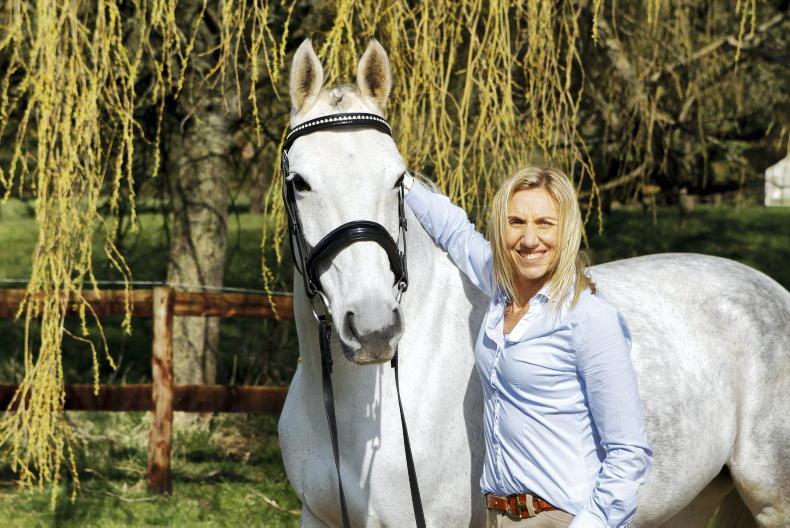
“IT really starts with culture.”
That was Lisa Ashton’s immediate answer when I asked where equestrian education falls short. Does the problem lie at the grassroots level? In professional training? Or within coach accreditation? Her response cut straight through those frameworks; she wasn’t talking about syllabuses or certificates. She was talking about us.
“What I mean by that is normalised behaviour,” she said. “If it’s normalised in educational systems not to ask ‘what is my horse experiencing?’ then the system is failing how horses experience us in education.”
In Ashton’s view, the horse world has become fluent in questions that protect human tradition, while relegating the horse’s experience to the background. Encouraging us to ask: ‘Can we start to question tradition based on evidence?’ can empower the audience to feel confident in their ability to influence change.
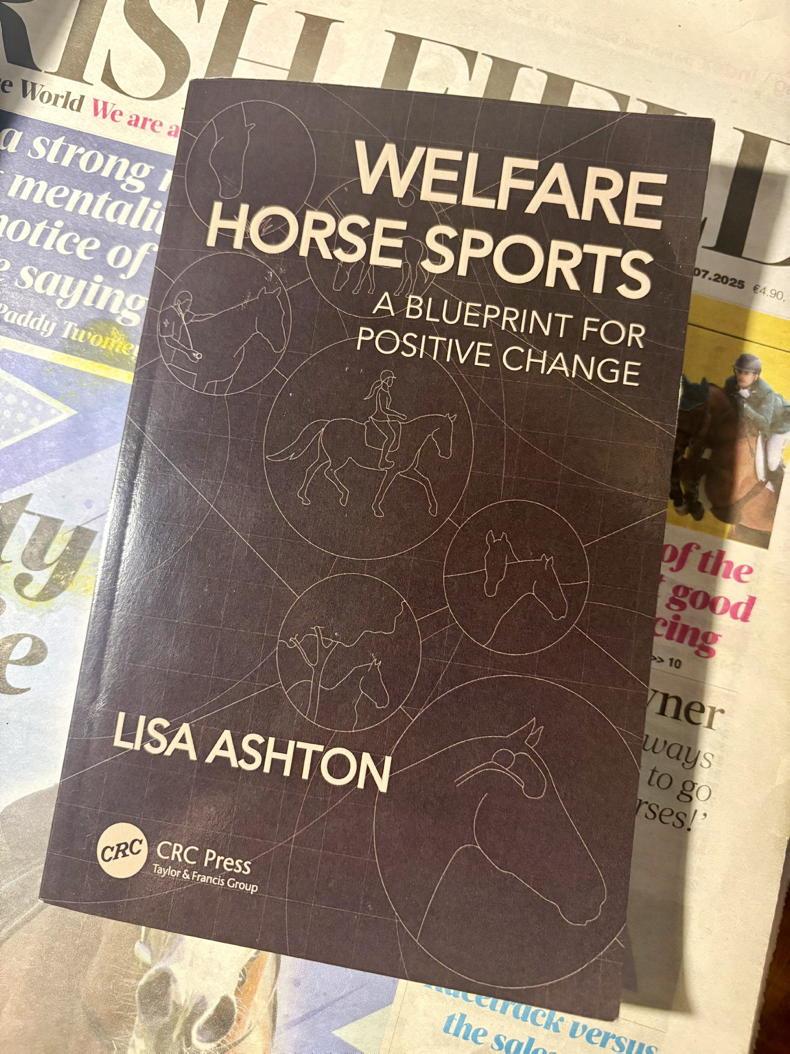
That shift from defending tradition to interrogating the horse’s experience is, for Ashton, the real starting point. “My sort of invitation, especially through my book, Welfare Horse Sports: A Blueprint for Positive Change, is to really place a spotlight on how our horses are experiencing us,” she said. “And if our educational systems could come at an equicentric (horse-centred) reframe and actually normalise that, then I think we wouldn’t have to worry about what we do when no one is watching.”
Discussing welfare in the context of many horse communities can feel personal, accusatory, or destabilising. “It can make people hyper-defensive, can’t it?” I suggest.
Ashton doesn’t deny the emotional charge, but she is wary of the industry’s default response: more training, more badges, more tick-box learning. “A lot of people do think education is the answer, but it can also be the problem,” she said. “We don’t necessarily need more information or more certificates. That does concern me.”
Why, I wonder? Culture doesn’t change simply because information exists. “What we do know through neuroscience is that we all want our own agency,” she said. And yet, as a sector, we repeatedly prioritise compliance over curiosity.
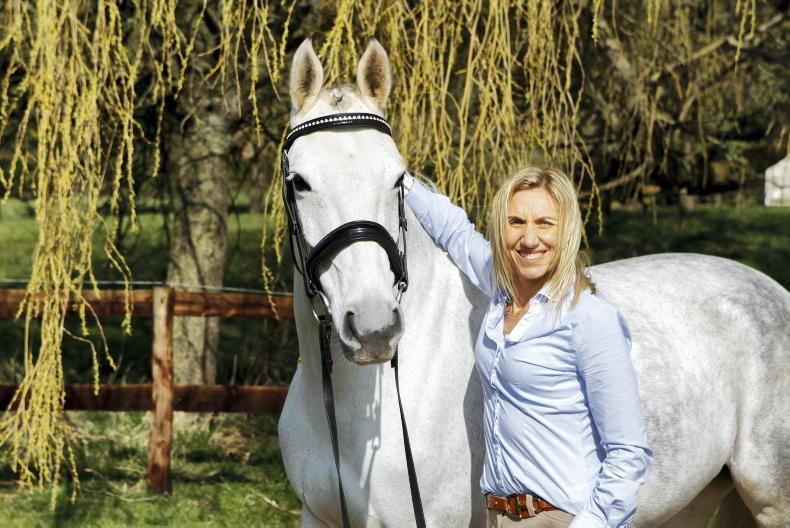
In Lisa Ashton’s view, the horse world has become fluent in questions that protect human tradition while relegating the horse's experience to the background \ Lisa Ashton
Repeatedly, our conversation returned to a foundational idea in horse sport: sometimes learning involves removing old beliefs rather than adding new ones. It’s about unlearning as much as learning.
Ashton offered a simple metaphor. “When we learnt to drive, that was really quite clear and straightforward… and then… in came cruise control,” she said. “And what we had to do was unlearn driving.”
In the horse world, unlearning can feel like an identity threat. Ashton explains that embracing discomfort is about growth, which can be empowering when we see it as an opportunity to update our understanding.
That discomfort matters because, as Ashton argues, welfare harm is rarely rooted in cruelty. “Ultimately, horse welfare isn’t always caused by cruelty, but by what we inherit, repeat and never revisit.”
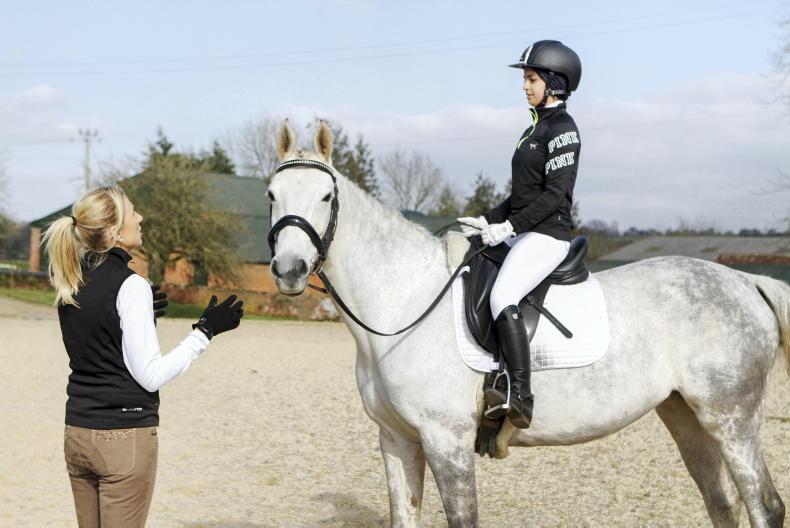
So, how early should welfare-centred education begin? Ashton emphasises that starting with young learners can inspire hope and motivate the community to prioritise welfare from the outset, fostering a sense of possibility. She points to one example that may prompt many to question what is considered “normal” in children’s equestrianism. “Pony Club Australia have now been going for eight years with a curriculum all about the science of how horses learn,” she said.
“So, the seven-year-olds are showing up, and they don’t know any different. So, they ‘park’ their ponies; they’ve trained them to be immobile. All they do is scratch; there is no behaviour of patting ponies. There is none [recent research has shown scratching mimics natural grooming, whereas patting can be irritating rather than soothing to an equine].
“It’s always going to be the young people,” she added. “I’m a senior lecturer at Hartpury, most of my students are Gen Zs, and they just get it.”
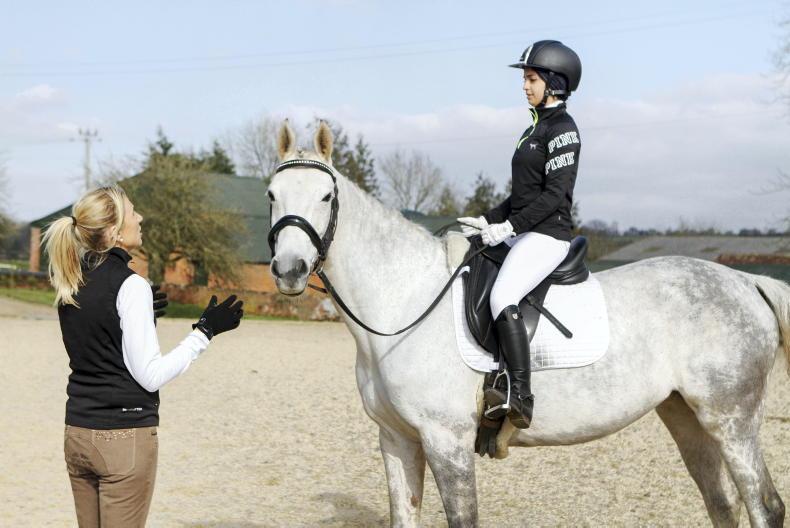
How can we challenge long-held habits without alienating the people who established the sport? \ Lisa Ashton
That observation sits in sharp contrast to a cultural mood many horse people will recognise: say nothing, show no emotion, don’t rock the boat. Discussions of welfare are still too often dismissed as ‘soft’.
How can we challenge long-held habits without alienating the people who established the sport? Many welfare breaches stem from normalised practices. How can education challenge those habits without pushing experienced horse people further into defensiveness?
“I talk about heritage in my book. I talk about how important our past is, to recognise our equestrian heritage.”
Then, skilfully bridging respect and responsibility with a line that deserves to linger, Ashton says: “Let’s do the best we can, and then when we know better, make some changes, why would we not?”
For Ashton, the issue isn’t heritage, it’s refusing to update practices. “This is how we’ve always done it… and how it’s a mindset shift,” she said. “Once the mindset shifts, action changes, because we might be asking questions like, ‘What is the horse experiencing?’”
One of Ashton’s most striking concepts is how culture quietly erodes individual ethics over time; she calls this “ethical fading”. Ashton gives a scenario familiar to many graduates and working students. “You show up, and you work in a show jumping yard or racing yard, and by the end of that first six months, you’re also now doing to horses what you thought you would never do…the culture has normalised abusive practices.”
What happens when evidence-based education meets a workplace where none of it is practiced? Ashton’s answer is both practical and cultural. “First one is actually to model the behaviour,” she said. “People are watching you on a yard. They are always watching you.”
Change isn’t instant or glamorous. But, she insists, it ripples. “You’ll start to see the ripples that I talk about in my book, the cascades of change.” Crucially, she adds, “don’t arrive as the know-it-all”.
Ashton is also clear that culture lives in the language we use casually and unthinkingly. “Language is huge, and it matters,” she said. Labels like “difficult” or “naughty” horses flatten behaviour into blame. “Why wouldn’t you just see that horse for the behaviour? What he is like, is he fearful, confused, in pain?” she asks. If a culture’s vocabulary is dismissive or belittling, its welfare outcomes will be too.
In Ashton’s framework, culture isn’t abstract. It is simply what gets repeated, rewarded, laughed off, or weaponised on a yard. “All culture is, is normalised behaviour.”
Perhaps then, if horse sport wants a future built on public trust, rider trust, and the horse’s own confidence in us, the most challenging work may also be the most basic: making “what is my horse experiencing?” the question that finally becomes normal.


SHARING OPTIONS: