

 This is a subscriber-only article
 It looks like you're browsing in private mode



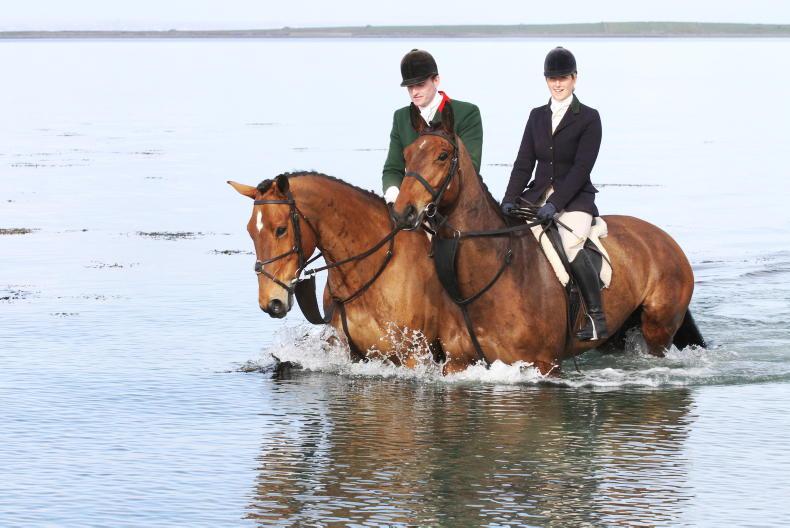
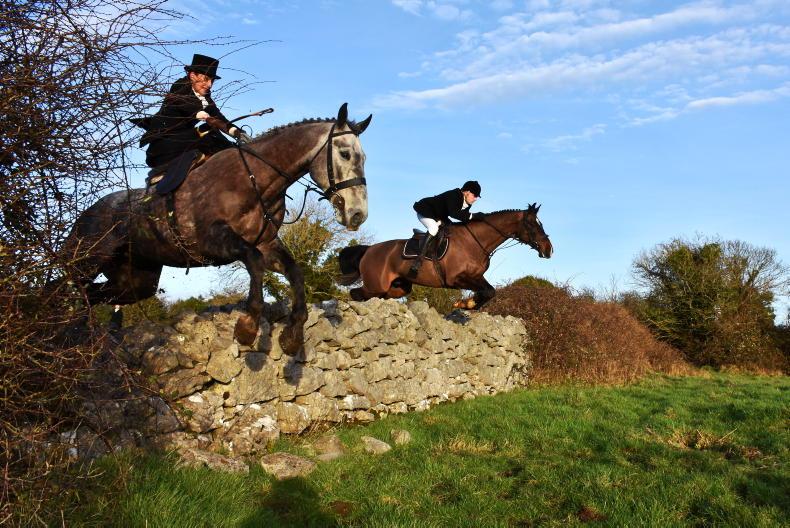
HUNTING has long been one of Ireland’s most traditional equestrian pursuits. The safety and success of the day depend heavily on the horse’s tack. Saddles, bridles, girths and bits are more than just equipment; they are the vital link between horse and rider. Poorly-fitted or neglected tack can turn a day’s sport into a dangerous experience for both parties.
Hunting days are long, often stretching for several hours across varied terrain. Horses gallop, jump fences, scramble over ditches, and stand patiently at checks. Ill-fitting saddles and bridles can quickly cause soreness, rubbing, or even injuries that may last well beyond the day’s hunting.
A saddle that pinches or shifts on steep ground can make a horse resentful or cause back strain, while a bridle that presses too tightly may restrict breathing or interfere with control at speed. In the field, where horses must respond instantly, comfort is not a luxury but a necessity.
Hunting is physically demanding, requiring balance and strength from the rider. A saddle that tips forward or slips sideways on a wet bank can spell disaster when galloping in company or approaching a solid hedge.
Correctly-fitted tack provides the rider with a secure, balanced seat, reducing the risk of falls and helping the horse stay steady when asked to jump or manoeuvre at speed. Safety in the hunting field often comes down to preparation, and well-fitted tack is at the core of that preparation.
Horses are athletes in their own right, and nowhere is this clearer than during a day’s hunting. Just as a runner could not compete in shoes that pinch, a hunter cannot give their best when distracted by discomfort. Properly-fitted tack allows a horse to move freely, stretch over fences, and remain relaxed between bursts of activity. A comfortable horse listens to the rider and works willingly, strengthening the trust that is so vital when galloping across open country in company with others.
In hunting, tack is not only tested for fit but also for durability. Mud, rain and sweat are part of the sport, and equipment must withstand these conditions. Leather girths, saddles and bridles that are not properly cleaned and conditioned after a wet day can crack, weaken or snap under pressure.
Regular cleaning with saddle soap, oiling when needed, and careful storage are essential for safety as well as longevity. Stirrups and bits should be checked for rust or sharp edges, and girths for stretched stitching. A broken strap in the middle of a run could put both horse and rider in grave danger.
Horses change shape with fitness levels and the hunting season. A horse that comes back into work in autumn may gain strength and muscle by mid-season, making last year’s saddle fit less secure. Consulting a professional saddle fitter and checking tack regularly ensures equipment remains suitable throughout the season. Riders should also pay attention to sweat marks, girth rubs, or any signs of resistance, all of which may indicate poor fit.
High-quality, well-fitted and well-cared-for tack may be costly, but it is an investment in safety, performance, and the welfare of the horse. In fox hunting, where horse and rider face hours of exertion and unpredictable challenges, good tack is as important as good hounds.
At its heart, hunting is about partnership and tradition. By ensuring tack is correctly fitted and diligently cared for, riders honour both their horses and the heritage of the sport, making sure that a day in the field remains safe, enjoyable, and worthy of the proud history it represents.





SHARING OPTIONS: