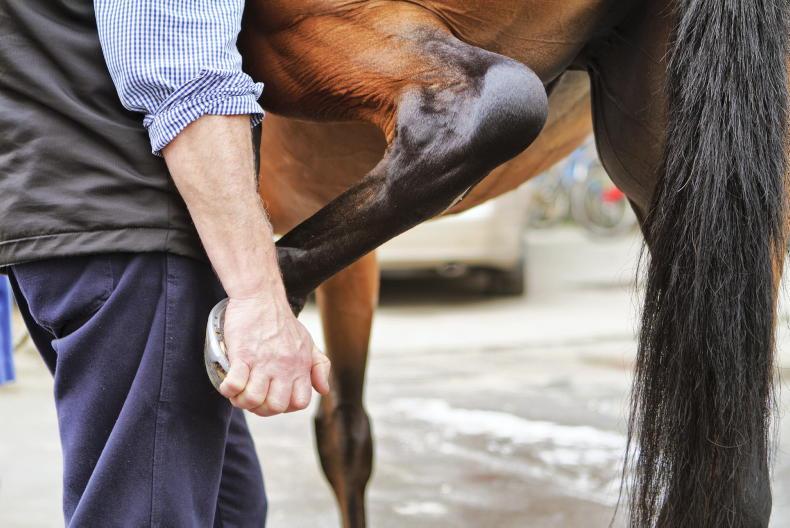
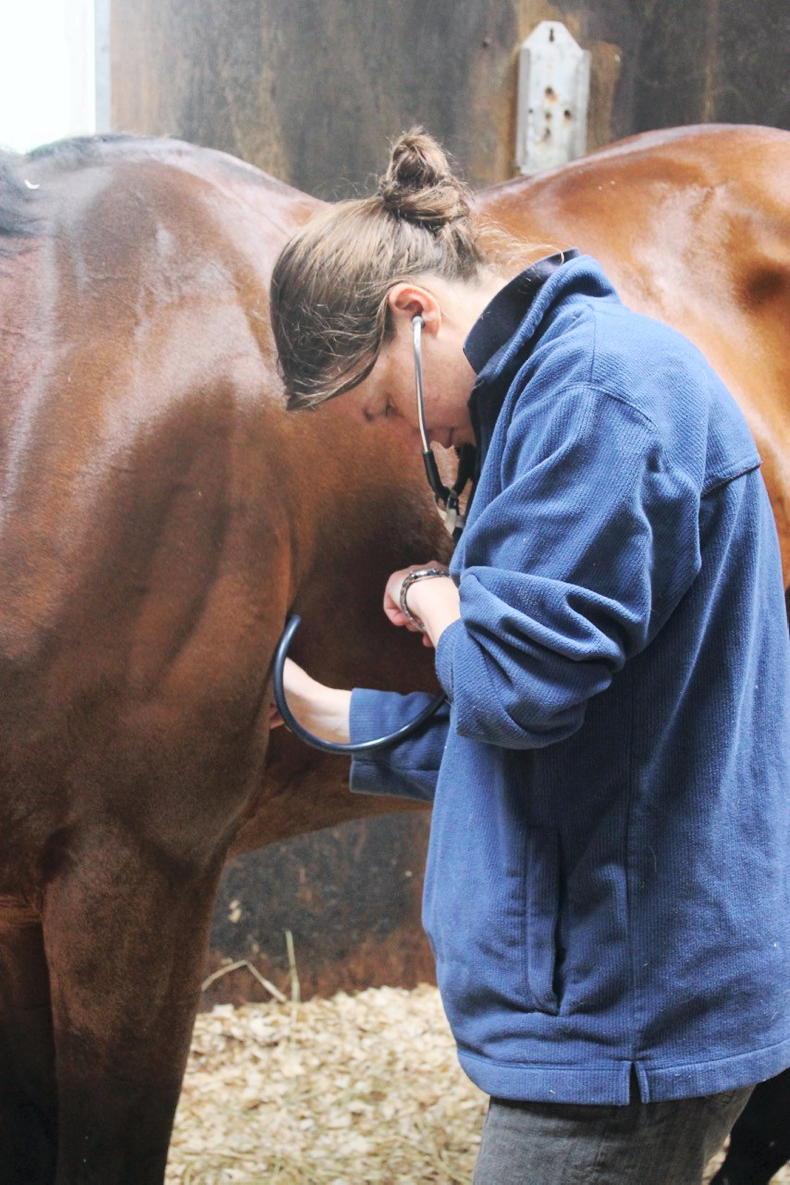
IN London at the National Equine Forum (#NEF26) in early March, the sometimes thorny subject of pre-purchase examination or PPE held central stage. In my earlier vet career, I ‘vetted’ hundreds of horses: it was a matter of some pride that the verb ‘to vet’ meant something different than ‘to doctor’!
At the NEF, I was fascinated to hear how much had changed, but in some ways so little too. The panel comprised of highly experienced people in dealing, trading, vetting and resolving court disputes. I took away some points from both listening to the panel and speaking with fellow attendees afterwards. I hope they might give some cause for thought:
Many vet practices shield their new vet graduates from doing vettings for the first few years: a bad experience with PPE knocks growing confidence and disputes do no good to the workings of a veterinary business.Many young vets are reluctant to perform vettings: stemming from a lack of confidence and a wariness of the potential for dispute and, worse, litigation.The main veterinary insurer quotes vettings as the Number One reason horse clients sue vets - from sarcoids ‘missed’ to ‘soundness’ not sustained in the new owner’s care.It may, some felt, be tempting for inexperienced vets to document horses as ‘NOT suitable for the intended purpose’ rather than say ‘suitable’ and risk this being disproved.Aspiring horse owners with notions (my word, not the panel’s!) regarding their own abilities and needs have unreasonable expectations: this sometimes results in several, costly attempts at buying school-master horses with minor defects before purchasing a more expensive star with an unblemished vetting that quickly proves unsuitable. An even more costly mistake!More disputes arise with low-to-medium value and older leisure/pleasure ponies and horses than with higher value, younger, high performance athletes.Not unrelated, more equine vets enjoy providing a PPE service in particular for the more knowledgeable, more professional of their own established clients and when good lines of communication are assured.Speaking of communication: vets felt that here lies the underlying reason for many disputes - a failure by vets to understand what the particular purchaser wants (not necessarily the vet’s fault!) and a failure by vendor and purchaser to have open, transparent dialogue in particular about a horse’s past history.Because things didn’t work out as expected or desired does not necessarily mean the dealer was dodgy or the vet negligent.Every experienced equine vet (me included) has had the experience of ‘failing’ a horse only for them to have a stellar career and the owner, often loudly and on television, calling out the fact.Insurance subsequent to purchase is a thorny, complicating factor as the often minor defects noted on cert can become the subject of insurance exclusions. This might leave the purchaser with an animal deemed suitable for the purpose intended, but not readily insurable. I recall a client asking me for two certs - one listing ‘ALL’ defects to negotiate on price, the second ‘NONE’ so as to get a good insurance quote!Factors other than those that a vetting is designed to identify often compound the likelihood of things going awry when horses change hands: new stables, companions, riders, tack, turn-out, feed and husbandry routines can mean that dormant issues rear their head and new ones emerge. Sweet itch, napping and colic spring to mind.Vets, like doctors, differ: they cannot be expected to agree on the significance of all findings at vettings in all instances. Horses are not machines; little about them is black and white.The advent of imaging - x-rays of limbs and ‘scoping of throats - might be thought to clarify matters in all cases, but often simply provides another opportunity for divergent opinion and contrary dispute.The pressure to have an unblemished vet cert (and accompanying x-rays and ‘scoping reports) can lead to unnecessary surgeries when horses are produced primarily for sales purposes.Collectively, we need to move away from any sense of a ‘pass’ or ‘fail’ vetting. It’s an opinion of a horse’s likely suitability for a particular purpose based on one assessment, by one vet, of the likely risk that the conditions identified at a particular point in time will prove problematic in the future. We operate in an imperfect environment. When matters go awry, a little perspective wouldn’t go amiss, instead of reaching automatically for a legal remedy.


 This is a subscriber-only article
 It looks like you're browsing in private mode





SHARING OPTIONS: