

 This is a subscriber-only article
 It looks like you're browsing in private mode



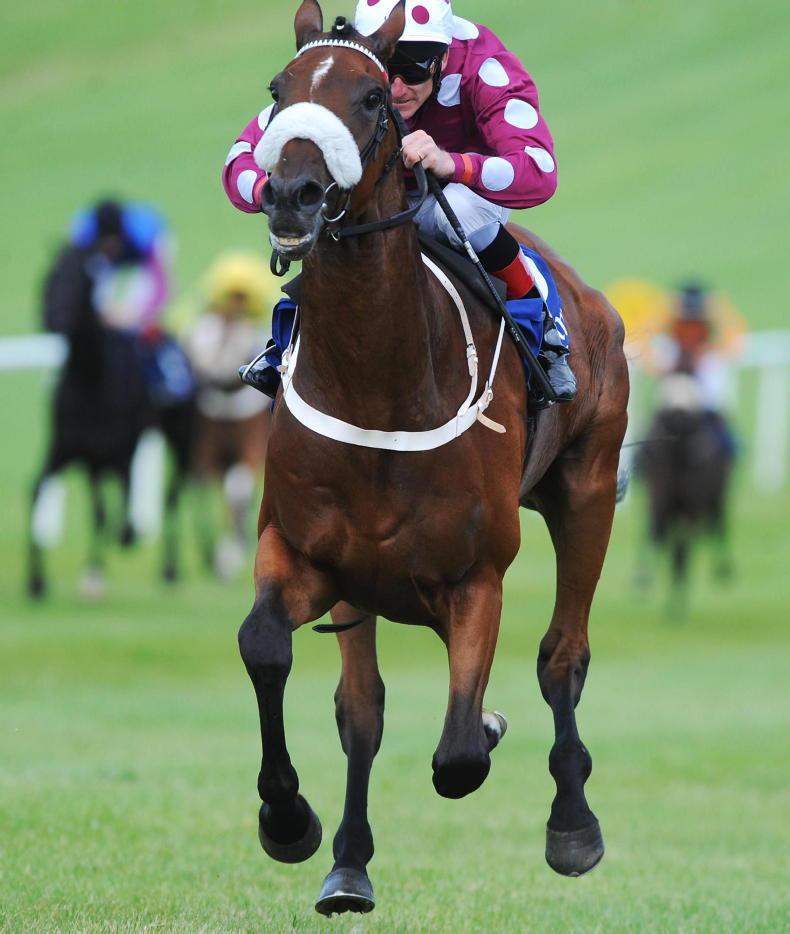

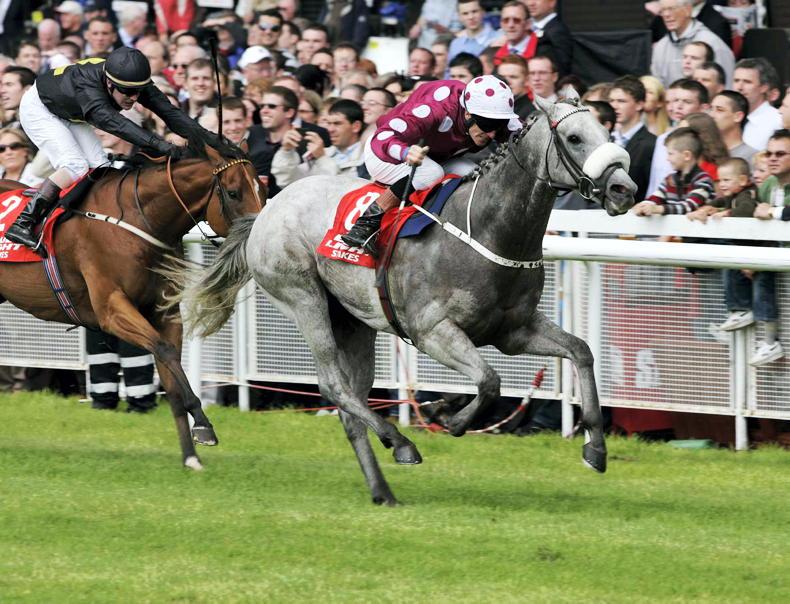
I’M lucky as I have worked in racing since I was 15 years old. After going through pony club as a kid, I was made to achieve the BHSAI as a teenager to become an instructor (as part of a YTS course, so I didn’t have to go to college and could continue working in racing!), all of which, in hindsight, meant I gained a good basic level of horsemanship. I fell in love with TBs from that age.
We have five kids who all love horses, so we have done plenty of work with ponies and sport horses over the years in various disciplines. So, with that bit of experience behind me, retraining the racehorses that needed a new career was something that came naturally to me.
Most TBs are smart. They are usually well-handled from a young age, having gone through sales, and are very easy to continue their education. Once in racing yards, they are handled by professionals. They are in a routine, are regularly loaded onto lorries, many get to the racetrack, and are put in ‘busy’ environments, and all of this is a huge positive for their behaviour as a whole.
A lot of people think racehorses are retired from racing due to injury, and that it’s a long road to recovery and retraining, but this couldn’t be further from the truth. Many racehorses might have only a few runs or maybe not run at all because they don’t show the potential that is required. Keeping horses in training is an expensive hobby, so trainers rightly let owners know as early as possible if their horse is not going to live up to expectations. So then owners have a horse that isn’t up to standard on the racetrack, but is ready for a change of direction, where it can shine.
If I get offered one to re-home, the first thing I do is let it out for at least three months. Obviously, this is weather-dependent as the racehorses are used to being well-rugged and well-minded, and plenty don’t appreciate the cold in those early days! I find this turnout period helpful, as it switches off their brains, and it’s also physically helpful, as they’ll be using different muscles going forward. I’d let them out with a few other horses to become sociable. They are smart, always find their pal, and usually thrive. In training, many racehorses get individual turnout, or maybe none at all, but I feel it’s an important part of any horse’s life.
If it’s winter, they need to be well-rugged; I’d probably bring them in at night. I swear by good haylage, good quality feed and beet pulp for any horse to put on condition and topline. It’s always my go-to diet for any horse I want to put condition on.
Keep it simple
Once I get them going, it’s similar to training any young horse. Always forward, and relaxed. It doesn’t matter where their heads are in the early days. We encourage them to lower their heads gently and once they get stronger, they are able for self carriage. But obviously the time frame for that is varied for each horse. We just work on the rhythm, relaxation and straightness first, then progress to that.
We don’t encourage them to work hollow, but they don’t have to work fully in an outline until they are ready for this either. And obviously, as with all horses, they need to be pain-free and have a vet check and physio if needed!
We teach them to lead off the correct canter lead when asked and keep it simple really. In training, racehorses are taught that off a long rein they are to relax and then with a tighter rein and squeeze from the legs, they quicken up. But in general, they are clever and adapt to differences very quickly.
Teach them to canter 20m circles and, when introducing pole work, focus on straightness and on keeping the 12-foot canter as regular as possible! I love them to learn pole work, as it makes teaching them to jump so much easier. Keep it all very simple and positive. A lot have jumped, and are good jumpers, so I don’t think it’s ever good to interfere with that. But with pole work, their jump can become rounder and slower. TBs are usually very clever, and with patience and time, they get it. I genuinely find they do!
My most golden oldie is 23 and still in the riding school. He is a pure saint. I’ve had so many that I’ve used in the riding school, and then progressed from there to my kids doing a bit of competing on them, so they can go to lovely competitive homes that suit them. Maybe I got lucky, but I’ve never retrained a bad TB. And I can compare them to many sport horses who could be sharper. I believe in both production and breeding. The two, combined, can bring the very best out of horses.
It’s simple with any thoroughbred I’ve had in my care; routine is important; teach them and give them time to understand what you’re asking. Don’t set targets in the early days; play it by ear and enjoy them. As with all horses, thoroughbreds are no exception to the rule that if they are happy and trust you, they are usually kind enough to do what’s asked of them and more.
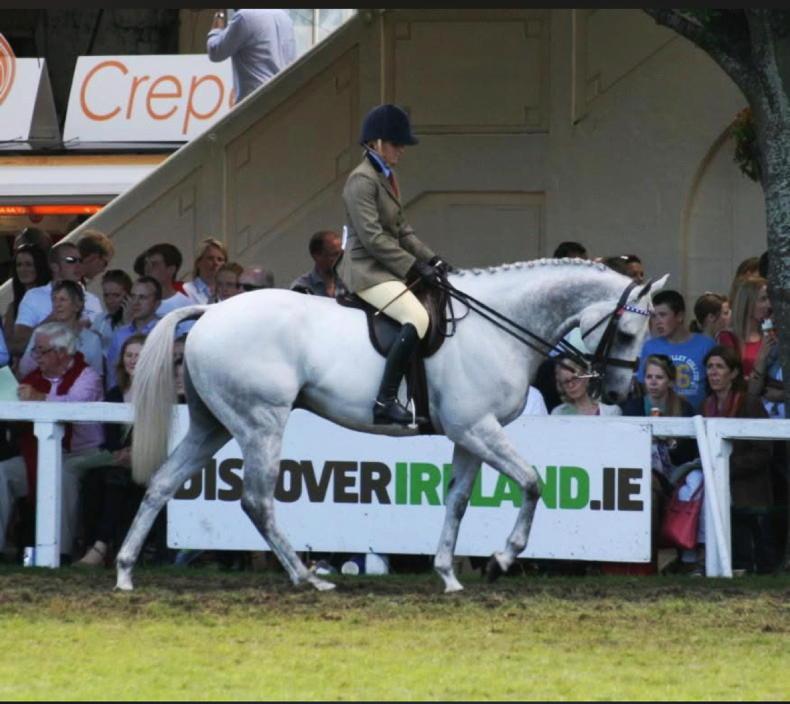
We had Snaefell, who went to the RDS within 12 months of his last race. He had a temperament to die for. As a sprinter, his trot wasn’t the best, but after a few months off and when we started retraining, he just got more confident, and his trot improved. He absolutely loved the new career change and totally thrived. Such a gorgeous boy and the safest horse in the world to have in the yard for any rider.
Certerach was a little bit fussier, as he was when he was a racehorse, just a bit more sensitive mentally, but was super smart. He just got everything straight away. He won the Dubai World Cup, then went to Dublin twice! Again, he really thrived in his career change; he was such a happy boy.
We’ve had so many thoroughbreds here, and I owe a lot of good days to them. As do so many other people. We have used so many riding schools over the years, and they were total saints! Currently, two that we’ve had for a few years now are out jumping their 1.10m classes with my girls. They are so brave and genuine. So, personally, I am a huge fan of re-training TBs.
My advice for retraining is the same as for any horse… routine is important; include turnout; keep it simple; then progress to the next step when simple is normal. Confidence is key to success. And success varies from a good riding-school horse to a Grand Prix horse. It’s all relative. So many thoroughbreds are suitable for so many equine disciplines… polo, show jumping, eventing, riding school, hacking… at all levels! I love them.
In my eyes, you can’t beat a good TB!

SHARING OPTIONS: