

 This is a subscriber-only article
 It looks like you're browsing in private mode



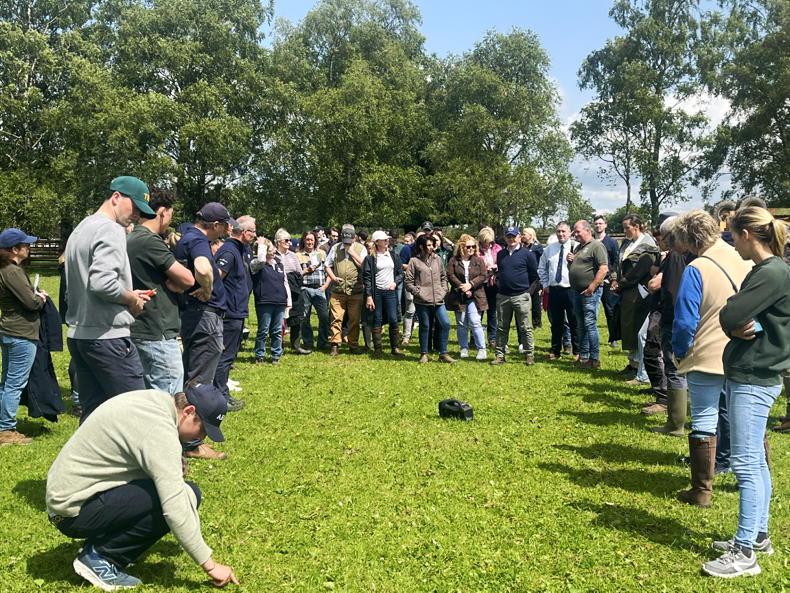
TEAGASC and the Irish Equine Centre, in collaboration with the ITBA, held two very well-attended workshops in June on Equine Pasture Management, one at the Irish National Stud and the other in Ballyvolane Stud. For those who couldn’t make it, the collective have shared the key takeaways with Horse Sense:
Grassland and grazing plan
Attendees were advised to think months instead of weeks ahead to get the most value from available pasture. In making a plan, it is critical that it is underpinned by soil analysis information, and an understanding of the type of soil and any relevant issues such as compaction or drainage problems for example.
Soil fertility and structure
Focus on managing the soil well first, to in turn produce good grass. The main pillars of good grassland and soil health are pH, phosphorous (P) and potassium (K) indices, and organic matter content (top 10% of soil). John Foley, owner of Ballyvolane Stud, shared: “soil testing was a no-brainer for us and has been invaluable in improving our grass”.
Soil aeration to reduce compaction, improve worm activity and, in turn movement of air, water and nutrients throughout the soil whilst also providing a safer turf for young and growing stock to exercise on, is an important land management task. Estate manager at the Irish National Stud, Colin Barrett, said: “aerating and overseeding are vital components in ensuring we have good grass cover”.
Equine health at pasture
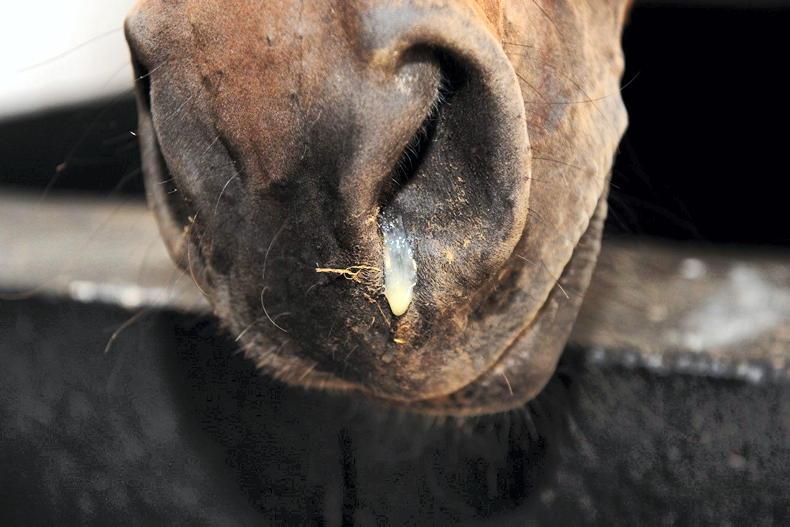
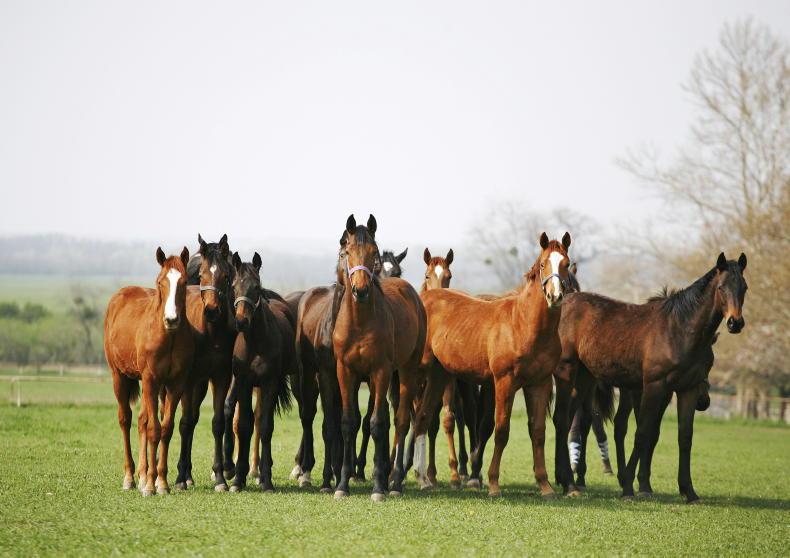
How grassland is managed can impact herd health. Bacteria like Clostridia and Rhodococcus equi prosper in conditions where there is much bare soil. Paddocks which are over-used, over-stocked, badly poached, with poor drainage and poor grass cover are likely to be havens for disease-causing microorganisms. Correct stocking density is also a very important driver of the health of paddocks and the health of horses grazing them. Alan Creighton, Irish Equine Centre highlighted: “good care and management of both soil and grassland is fundamental to the growth and development of healthy young stock and protecting the health of your horses”.
Biodiversity
Making space for native flora and fauna to thrive on the farm is a gift to biodiversity. Be mindful of introduced species which are not as in-tune with the native Irish climate and environment, such as the Spanish bluebell for example. Keep ornamental species in the garden. Control invasive alien plants and noxious weeds, which compete with native growing plants. Well-managed field margins and hedgerows are an easy and effective way for farmers to contribute to biodiversity conservation, especially with the support of agri-environmental schemes like ACRES, and the ECO Scheme. Catherine Keena, Teagasc Countryside Specialist emphasised “native hedgerows have an important role to play in terms of providing habitats and to benefit the environment in sequestering carbon”. Catherine also cautioned that retention of existing features is always better than new and to “avoid a single species focus without consideration of the effect on ALL biodiversity by that change”.
Water quality:
Water is a key resource, which can be affected by how you manage your farm. Check if your farm is in a nitrogen or phosphorous-rich area on www.catchments.ie as this may affect the management of nutrient application on the farm. If there is a water course on the farm, consider the riparian zones (buffer zones next to the water course), which should not be accessible by animals, sprayed or fertilised.
Having the water supply on the farm tested frequently is a good practice to understand if there are deficient or harmful levels of minerals, which can affect the animals drinking it.
For example, where high iron levels are present, putting filters on taps is a proactive step to take.
Teagasc Equine Specialists Seán Keane and Wendy Conlon express their thanks to the host farms and all contributors, including Alan Creighton, Head of Environment and Nutrition at the Irish Equine Centre, with Catherine Keena, Teagasc Countryside Management Specialist, Mark Plunkett, Teagasc Signpost Programme and Soils Specialist, Pádraig Fitzgerald and Joseph Maher, Water Quality Advisors Teagasc ASSAP Programme, and Kevin O’Sullivan, Teagasc advisor.
Further information is available on the Teagasc website.

SHARING OPTIONS: