

 This is a subscriber-only article
 It looks like you're browsing in private mode



LAST month, the British Equine Veterinary Association (BEVA) hosted presidents of veterinary organisations from Ireland to Australia and Finland to South Africa. Asked for ‘hot topics’, vets from across the spectrum noted recruitment and retention as top of the agenda.
The concern is clear: will we have enough equine vets to meet the needs of horses and their owners? Any shortfall threatens our industries and sports, and the welfare of the horses at their heart.
Cause for optimism
Limited training places have driven many Irish veterinary students abroad. Now, provision is expanding beyond UCD through programmes at South East Technological University, working with Teagasc Kildalton College, and Atlantic Technological University, working with Mountbellew Agricultural College.
That offers hope. But training more vets alone will not ensure enough motivated clinicians remain in equine practice across the country.
Attracting students is only the beginning. Excessive workloads, out-of-hours commitments and limited professional development opportunities have all been identified as reasons vets leave.
Sustainable careers
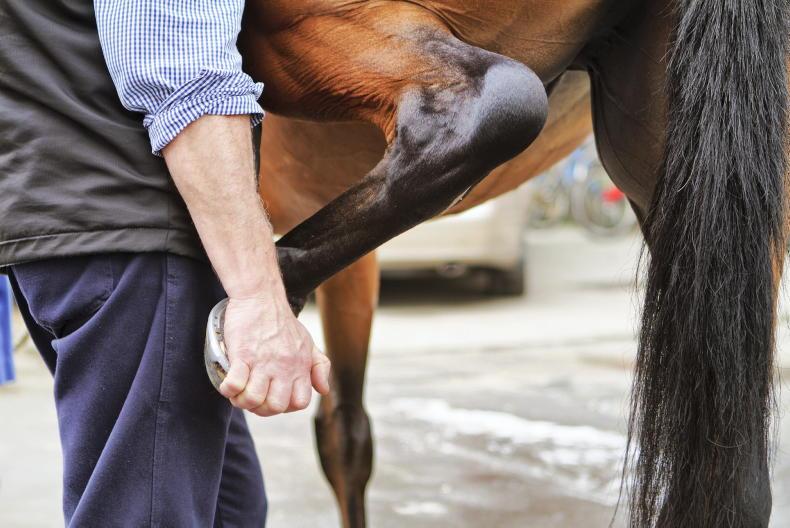
Their experiences while training and during their first years in practice matter enormously. We often hear that a student ‘isn’t horsey enough’, but might horse people sometimes exclude through jargon? Imagine asking someone to check a horse that ‘has a leg’, when he obviously has four!
Unfamiliarity with horse-world language and customs should not be mistaken for a lack of aptitude or enthusiasm. Students from different backgrounds bring valuable skills, if we give them opportunities to learn.
Small animal practice, state veterinary services, industry and academia may become more attractive as circumstances and priorities change. These are legitimate career choices, but losing experienced clinicians increases pressure on those who remain.
Work-life balance matters. What my generation accepted as ‘normal’ - missing family celebrations for colic calls or taking children on emergency visits - is less acceptable today. It is unfair to expect otherwise. The world has changed; equine practice must adapt.
Horse owners have a part to play. Many understandably value their usual vet, but round-the-clock care cannot depend on one individual always being available.
As KR Equine demonstrated in last week’s Horse Sense, shared out-of-hours rotas and dedicated emergency services can spread the workload. Owners can support these arrangements by accepting an unfamiliar emergency vet, while practices must provide clear communication and continuity of care.
Practical support
BEVA’s excellent ‘Don’t Break Your Vet’ campaign encourages owners to prepare horses for routine procedures calmly and safely. Scan the QR code for some practical videos covering injections, clipping, worming and examinations.
The wider message is simple: respect your vet, distinguish genuine emergencies from routine requests, and pay agreed fees promptly. Preparing a horse for examination and providing a safe working environment can make a difference to everyone involved.
We need people with a passion for horses and horse people, then we must give them reasons to stay. That means encouragement during training, mentoring after qualification and working lives that remain rewarding and sustainable.
Recruitment deserves attention, but retention demands action from practices and the wider equestrian community alike.
Let’s not lament the loss of equine vets whom we might have kept.

SHARING OPTIONS: