

 This is a subscriber-only article
 It looks like you're browsing in private mode



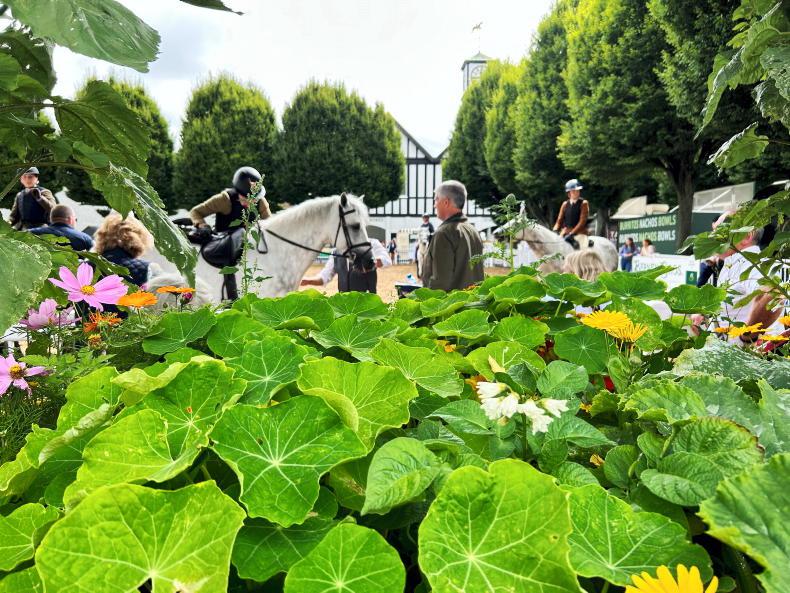
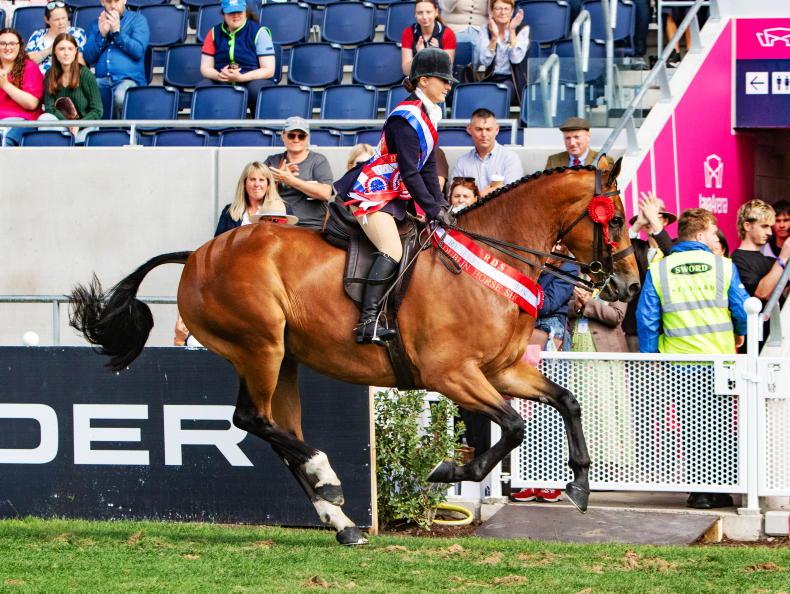
AS a mental performance coach working with equestrian athletes from grassroots to Olympians, I spend plenty of time helping riders manage what happens between their ears once a fixture like the Gallagher Dublin Horse Show appears on the calendar.
I often ask riders: can your horse tell the difference between a less meaningful show and a class at Dublin? The honest answer is no. So the goal is to stop your own preparation and mindset shifting just because the occasion feels BIGGER.
Watch how you talk to yourself
The conversation in your own head is often louder than anything a trainer or judge could say and starts way before the show does. If you find yourself thinking about all the things that could go wrong, replace them with all the things that could go right.
Notice the difference between “I always fall apart here” and “This needs sharper focus, we’ve Trained for this”. Self-talk doesn’t need to be relentlessly positive, just accurate and forward-looking, giving your mind something specific to do next, go over your course or show or focus on exactly how to ride your horse to get the best out of them. This matters after the round too, how you talk to yourself walking out sets the tone for your next class.
You’re also not the only one picking up on your emotional state. Horses are sensitive to tension through your seat and breathing, and a rider bracing against nerves is often riding a horse doing exactly the same. When you settle yourself, you give your horse permission to settle too.
Let the nerves work for you
Feeling jittery before you compete is completely normal, and fighting the feeling off usually backfires. Treat those nerves as fuel, that surge of energy is your body getting ready to perform, not a threat. Riders who learn to read nerves as readiness rather than fear tend to ride with more freedom.
Arriving with time to spare keeps stress in check; rushing spikes it. Walk the grounds and learn the schedule; give yourself extra time. Uncertainty drives anxiety, and removing it frees up mental bandwidth. Before you go in, spend a few minutes visualising yourself riding well, each movement executed the way you want it to look.
A consistent pre-round routine helps too, the same order of actions whether it’s a schooling class or the main arena at the RDS. A familiar sequence signals to your brain that it’s time to perform, relying on habit rather than willpower, becoming an anchor when the stakes feel higher than usual.
Stay anchored in the moment
Keep your attention on the process, not the result; stay with what’s happening right now rather than replaying a fence you’ve jumped or thinking about the scoreboard. If your thoughts spiral, bring yourself back through your breath; its rhythm is one of the fastest routes back to the present. Ask any rider what they do first under pressure, and the honest answer is usually: hold their breath.
Good oxygenation keeps your muscles fuelled and your aids strong, and keeps your brain sharp and focused under stress. Make a habit of breathing deliberately before you start, and try to fit in a few conscious breaths during your round too. Nothing fancy, just take a few deep breaths in through your nose and let your body do the rest.
Try smiling, even just for a moment, if you’re stuck in a negative loop - it can interrupt a spiral almost instantly. There’s also real value in riding as though the outcome doesn’t matter: approaching the class as just another show tends to loosen riders up rather than making them careless.
Pace yourself across the week
Dublin runs across several days, and mental fatigue builds up just as much as physical fatigue does. Riders often prepare brilliantly for the first class, then find their focus quietly eroding by day three or four. Protect your sleep, and build in genuine downtime between classes rather than overthinking or replaying the last round in your head. Treat rest as part of your preparation, not a break from it, so you arrive at your final classes with something left in the tank. Napping is very much encouraged if you find yourself after a night out in Coppers!
Debrief without dwelling
What you do after a round matters almost as much as what you do beforehand. A good debrief is quick and forward-looking: what worked, what you’d adjust, and one clear thing to carry into the next round, that’s it. The trap many riders fall into is replaying a mistake over and over, but rumination isn’t reflection and rarely changes anything except your mood. A brief, honest review lets you close the door on that round and walk into the next one with a clear head.
Above all, go out and enjoy it. You have worked so hard to get here. Forget about the things you can’t control and enjoy giving your best ride, focusing on the things you can control.

SHARING OPTIONS: