

 This is a subscriber-only article
 It looks like you're browsing in private mode



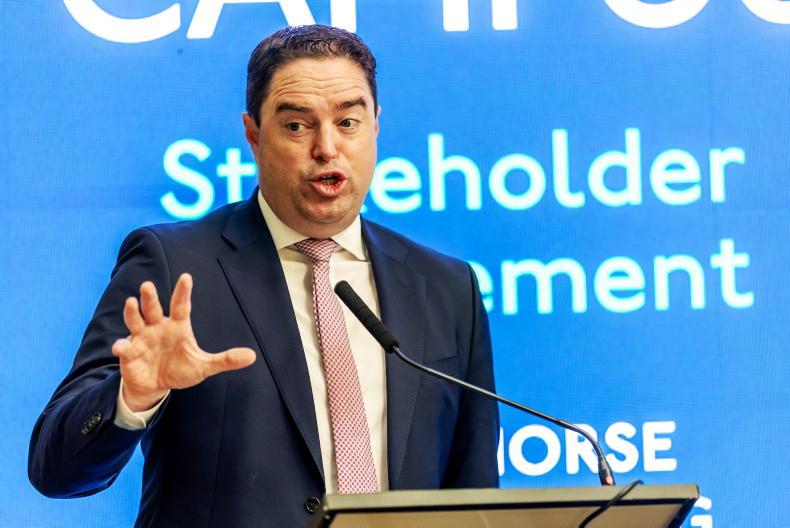
Following on from last week’s article on safeguarding in the equine sector, we asked Elaine Burke, equuip Manager at Horse Racing Ireland, to answer some of our questions regarding the organisation’s safeguarding policies and their implementation. Equuip is the education, training and welfare division of Horse Racing Ireland.
The Irish Field (TIF): Equuip has a very comprehensive safeguarding policy on its website. How is awareness of this policy and procedures actively communicated to staff across the racing industry?
Equiip (HRI): Horse Racing Ireland is working in partnership with the Irish Horseracing Regulatory Board to ensure consistent safeguarding standards across the racing sector and have developed a comprehensive safeguarding framework for the Irish racing and breeding industry. This includes a Child Welfare and Safeguarding Policy, the appointment of trained Designated Liaison Persons (DLPs), clear reporting pathways, mandatory safeguarding training for staff and officials, and the integration of safeguarding responsibilities into licensing, education and raceday operations.
These measures are designed to ensure that safeguarding is embedded as a practical and visible part of the regulatory framework. They reflect the standards expected under the Children First Act 2015 and represent a significant strengthening of safeguarding awareness and procedures within Irish racing.
Over the coming weeks, this industry best practice framework will be launched and equuip, HRI’s education and training department, will deliver a programme of safeguarding awareness initiatives including workshops, education and training sessions, educational resources and toolkit, and guidance and support for employers and staff across the industry.
The aim is to ensure that safeguarding responsibilities, reporting pathways, and best practice procedures are clearly understood by all those working with or alongside young people in the industry.
TIF: Safe recruitment is mentioned as a priority. Are An Garda Síochána vetting checks standardised for all roles that involve contact with under-18s?
HRI: The policy reflects the requirements of Children First legislation and promotes safe recruitment practices across the industry, including Garda vetting where relevant and legally required.
However, under the current legislation, i.e. the National Vetting Bureau (Children and Vulnerable Persons) Act 2012, Garda vetting is only permitted for roles defined as “relevant work or activities” in Schedule 1 of the Act - those involving regular, direct contact with children or vulnerable persons.
The Garda National Vetting Bureau’s (GNVB) position is that contact with minors in a number of licensed roles is regarded as incidental rather than central, and that most interactions occur with adults.
As a result, the GNVB is precluded by law from conducting vetting on the IHRB’s behalf, in the way that would be possible in other sectors.
The IHRB has engaged with Government on this issue and has sought consideration of a targeted legislative amendment that would enable appropriate vetting of relevant licensed roles.
TIF: Do you know if apprentices aged under 18 have their own changing space in weighrooms?
HRI: The IHRB works closely with Racecourses to ensure that appropriate welfare and safeguarding measures are in place for all participants, including apprentices and young people.
Separate changing facilities for under-18 apprentices are not standard across all racecourses. However, safeguarding, supervision, privacy and welfare requirements apply in all weighroom environments, and these form part of the IHRB’s racecourse inspection and oversight processes.
TIF: The policy requires all workplaces involving under-18s to have their own named DLP. How does HRI verify that individual employers are actually complying with this requirement?
HRI: The policy outlines the expectation that workplaces involving under-18’s should have an identified Designated Liaison Person (DLP) and appropriate safeguarding procedures in place. Responsibility for implementation rests with the relevant employer. HRI and the IHRB support this through guidance, training, policy templates and safeguarding education initiatives across the industry.
DLPs have been appointed and trained by IHRB to act as the first point of contact for child-welfare concerns. They support IHRB staff, raceday officials, and others in recognising potential risks and ensuring immediate referral to Tusla or An Garda Síochána, as appropriate.
Standardised reporting protocols are in place for all race meetings, including point-to-points.
TIF: Since the policy was introduced, how many safeguarding concerns have been reported through the formal pathway to yourself as DLP, and what proportion of those were subsequently referred to Tusla or the Gardaí?
HRI: Safeguarding concerns are managed confidentially and in accordance with Children First guidance, data protection obligations and fair procedures. Where appropriate, matters are referred to the relevant statutory authorities.
TIF: Is there any mechanism for sharing information between yards, racecourses or other employers about individuals who have had safeguarding concerns raised against them?
HRI: Safeguarding concerns are managed in line with Children First guidance, data protection obligations, and fair procedures. Where concerns meet the threshold for referral, matters are referred to the appropriate statutory authorities, including Tulsa and/or An Garda Síochána, who are responsible for assessment and investigation. Information sharing outside of those processes must comply with legal and data protection requirements.
The policy promotes safe recruitment practices, reporting pathways, and safeguarding awareness across the industry while recognising the rights and responsibilities of employers and statutory agencies.
Next week: Horse Sport Ireland


SHARING OPTIONS: