

 This is a subscriber-only article
 It looks like you're browsing in private mode



THERE is much truth in Dr Collins’ argument opposite. We should question traditions that prioritise performance, convenience or profit over a horse’s lived experience. Good husbandry is not the same as good welfare, and an expensive stable cannot compensate for isolation, restricted movement or a lack of choice.
That is not to deny the genuine care and commitment shown by the vast majority of people working with horses. Many organise their lives around the animals in their care and routinely put their horses’ needs before their own comfort. But good intentions do not remove the need to examine whether our practices produce good welfare from the horse’s perspective.
Having said that, I am not convinced that every compromise between human and equine needs is evidence of human exceptionalism.
Domesticated horses live in a world shared with people. Their lives are shaped by relationships with owners, riders, trainers, carers, vets and farriers, all of whom carry responsibilities for their safety and wellbeing.
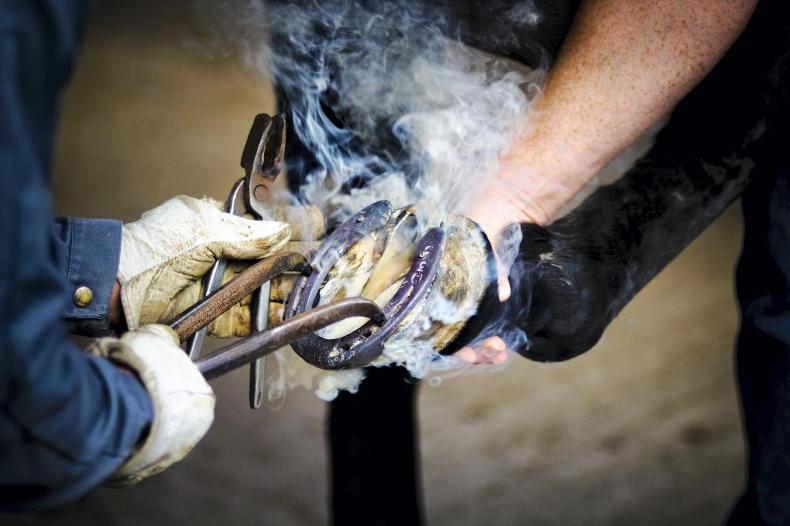
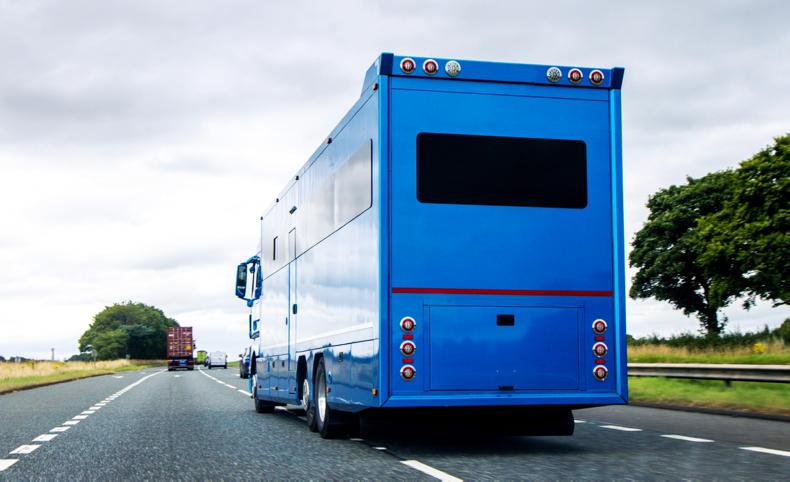
Those responsibilities sometimes require decisions a horse would not independently choose, from veterinary treatment and temporary confinement to transport, hoof care or separation from companions.
The important questions are whether such restrictions are necessary, proportionate and competently managed, and whether they provide a meaningful benefit to the horse.
Animal and environmental
Human safety must also matter. If equine welfare ever overrides rider or handler safety, it creates a hierarchy in the opposite direction, rather than a genuinely ethical relationship. One Health reminds us that human, animal and environmental wellbeing are interconnected. It asks us to balance and optimise them, not to make one unimportant so that another can matter.
Nor is every ridden or competitive relationship necessarily built on coercion. Horses cannot give informed consent to sport in the human sense, but neither are they simply passive objects within it. They continually communicate preference, discomfort, confidence, reluctance and engagement. Our responsibility is to become better at noticing and respecting those responses, while recognising that they can be subtle or misinterpreted.
What is labelled stubbornness, laziness or poor behaviour may sometimes signal pain, fear, confusion or fatigue. Equally, reluctance in one moment does not necessarily tell us everything about a horse’s experience of an activity or the overall quality of their life.
Meaningful opportunities
The ethical question may not be simply whether humans benefit from horses. Relationships can involve benefits for both. The more searching questions are what horses give up, what they receive in return and whether they retain meaningful opportunities to exercise agency and express species-specific behaviour.
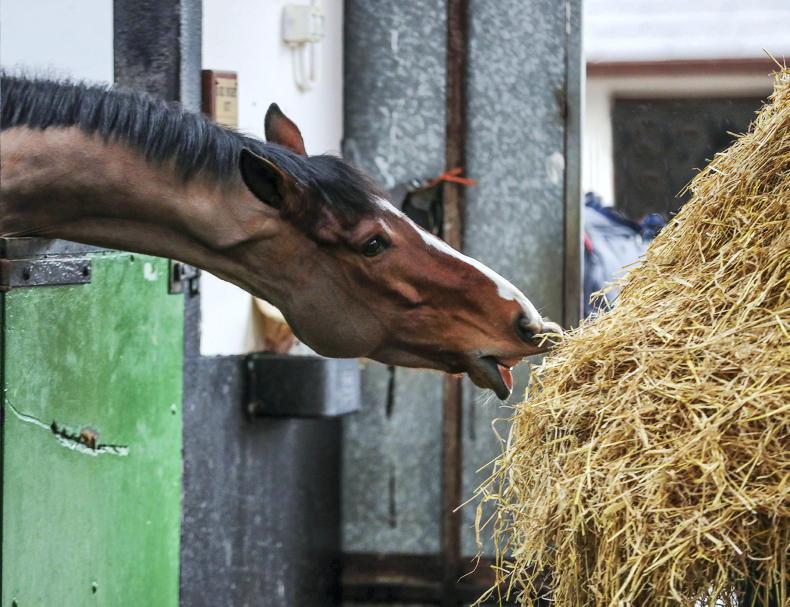
Do they have companionship, movement, forage, rest and choice? Can they communicate “no” without being punished or labelled difficult? Are training methods proportionate and humane? Is pain actively investigated rather than explained away? Are we willing to change our ambitions when a horse’s behaviour or physical condition tells us that what we are asking is too much?
Perhaps putting horses first does not mean pretending that human needs, livelihoods and pleasures do not exist. It means refusing to let those interests become an automatic justification for whatever we ask of horses.
We may never create a horse world free from compromise. But we can create one in which those compromises are examined honestly, traditions remain open to evidence, welfare is judged from the horse’s perspective and human power is accompanied by humility, knowledge and responsibility.

SHARING OPTIONS: