

 This is a subscriber-only article
 It looks like you're browsing in private mode



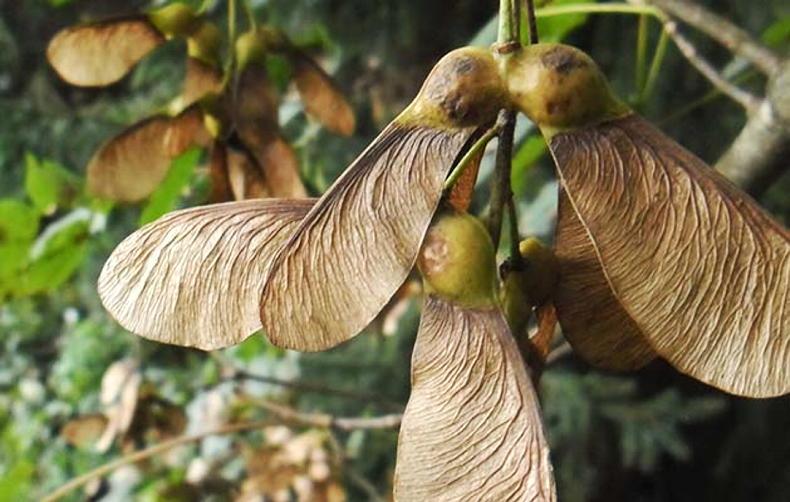
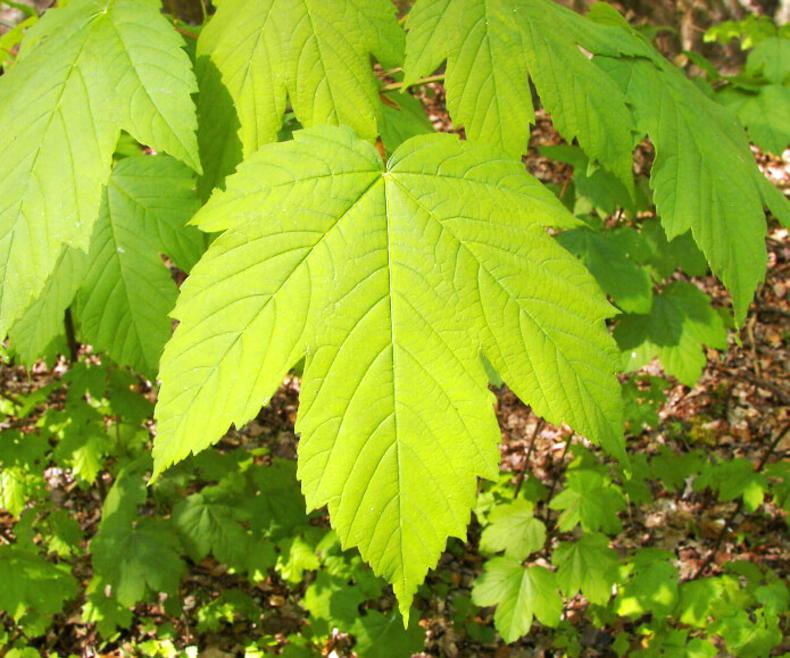
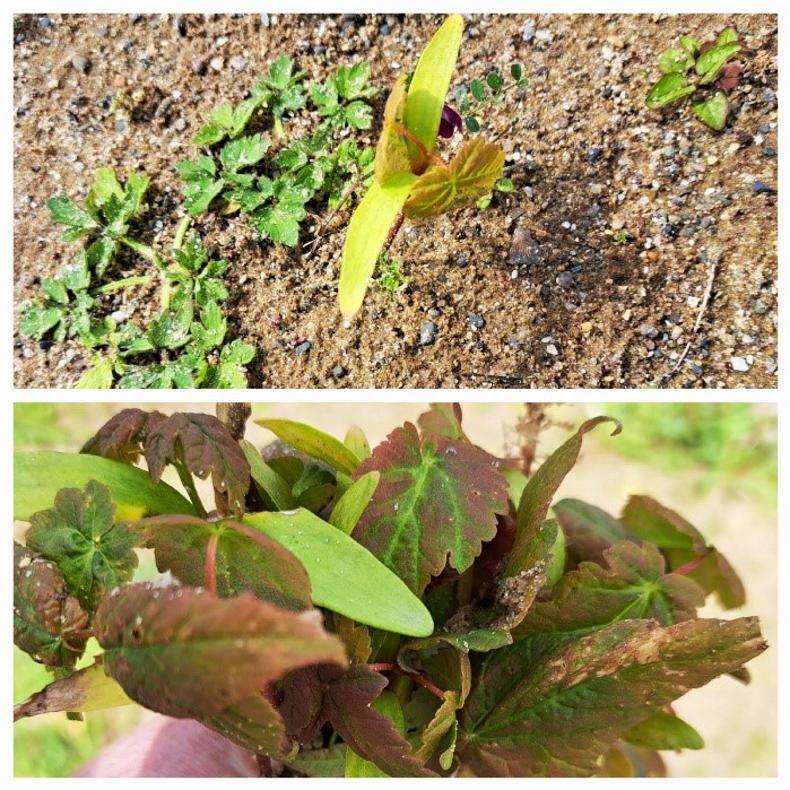
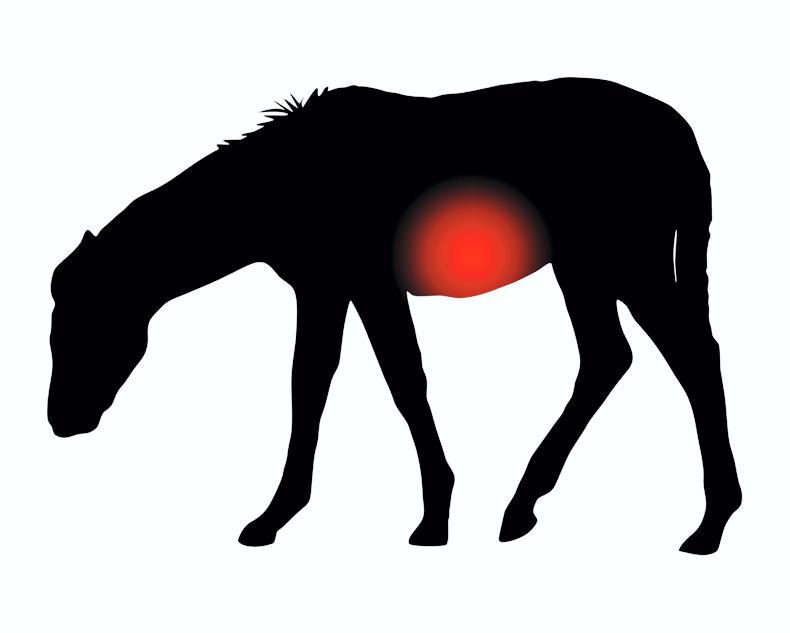
IN last week’s Horse Sense, Dr Gabrielle Haughton shared her advice on atypical myopathy. Atypical myopathy, Sycamore poisoning or seasonal pasture myopathy is a severe and often fatal muscle disorder affecting equines and most frequently seen in the spring or autumn. It is caused by a toxin called Hypoglycin A (HGA) and occurs due to the ingestion of sycamore seeds, leaves or seedlings.
Here, we share Dr Haughton’s pictures of Sycamore in seed, shoot and leaf along with Horse Sense’s guide to other toxic plants to watch out for.
Other plants that can be seriously or fatally toxic to horses to get familiar with include:
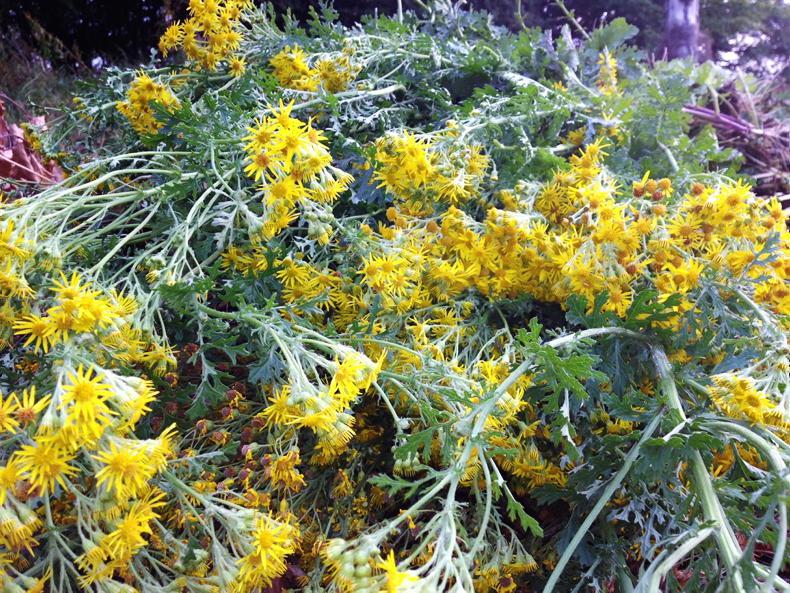
Common Ragwort
Causes irreversible liver damage; highly dangerous when dried in hay, with effects building up over time.
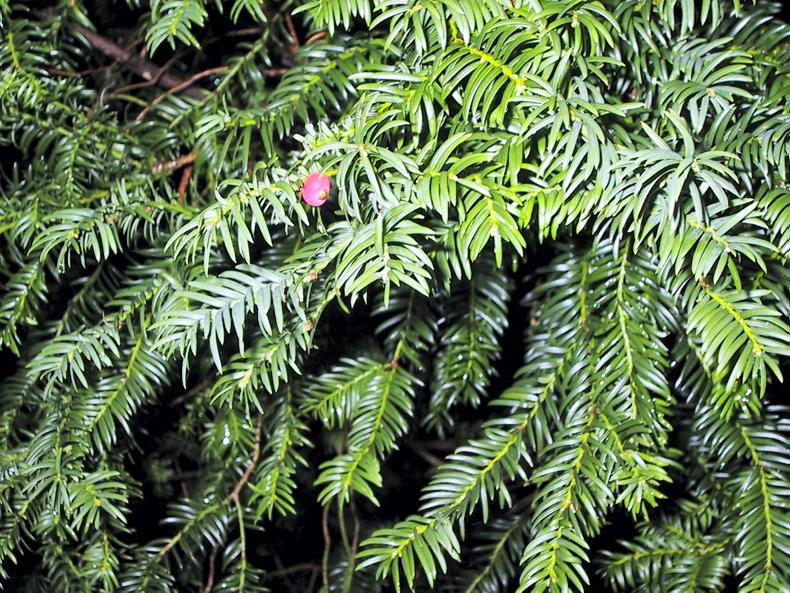
Yew
Extremely toxic; even small amounts can cause sudden cardiac arrest and death within hours.
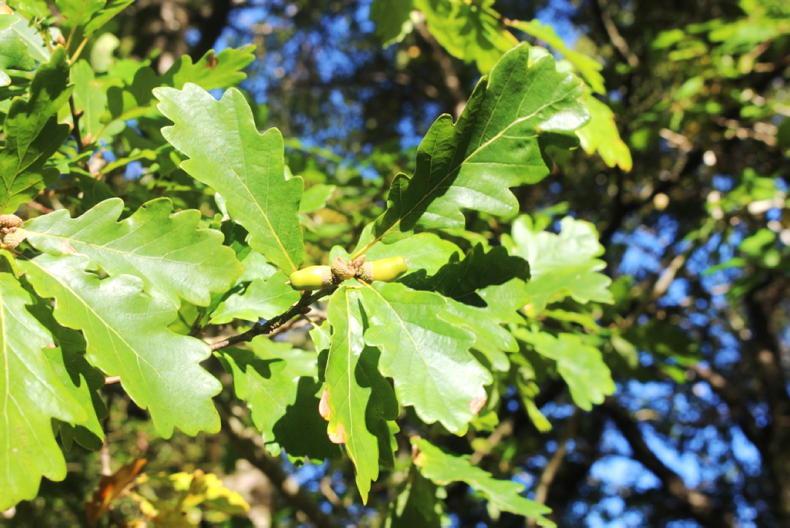
Oak
Acorns and young leaves contain tannins that damage kidneys; risk peaks in spring and autumn.
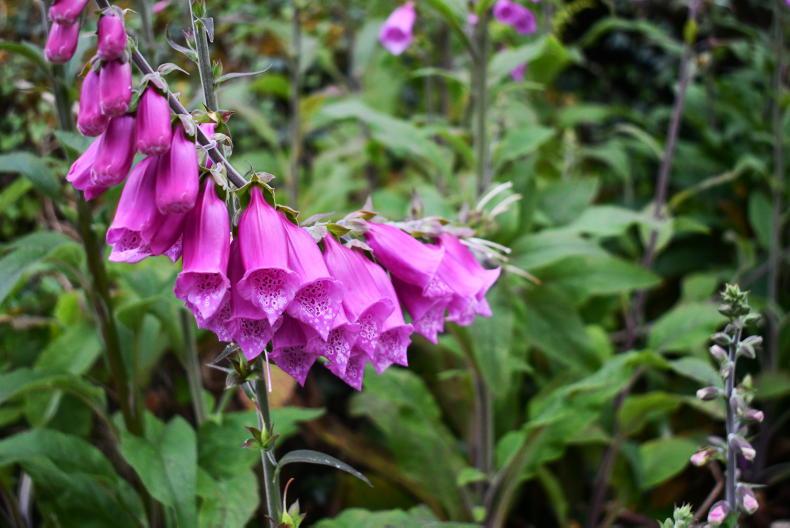
Foxglove
Affects heart function; remains toxic when dried and can be fatal if ingested.
Poison Hemlock
Highly poisonous neurotoxin causing respiratory failure; can kill rapidly even in small amounts.
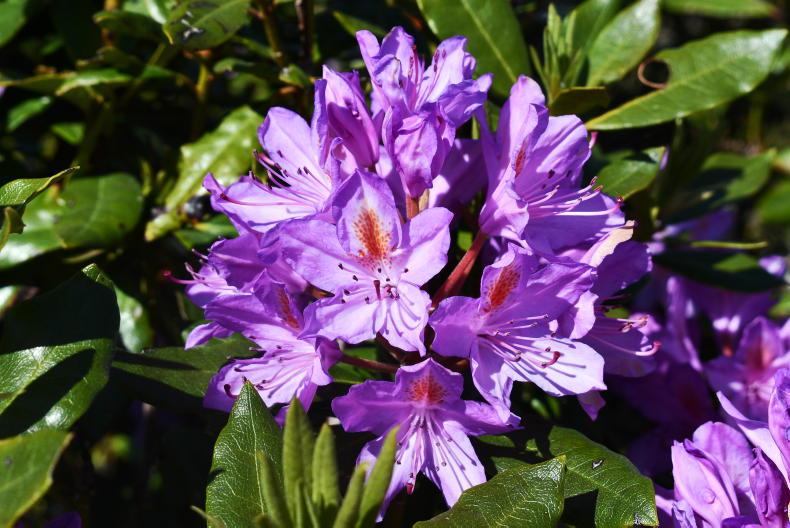
Rhododendron
Contains toxins affecting the heart and nervous system; often ingested via garden waste
or fodder
WHEN grazing, horses will often avoid many toxic plants (like Common Ragwort or Foxglove) because of their bitter taste or smell, especially if there is plenty of good grass available. However, curiosity, boredom, or sparse grazing can still lead to ingestion, and highly toxic species like Yew may be eaten accidentally with fatal consequences.
In hay or haylage, the risk is significantly higher because toxic plants are dried, mixed in, and no longer easily recognised or avoided, their bitterness is reduced, but their toxins remain active. As a result, horses may consume dangerous quantities unknowingly, making contaminated forage a common and serious source of poisoning.
The key is to know your plants and seek veterinary help immediately if you suspect your horse has ingested any toxic plant.



SHARING OPTIONS: