

 This is a subscriber-only article
 It looks like you're browsing in private mode



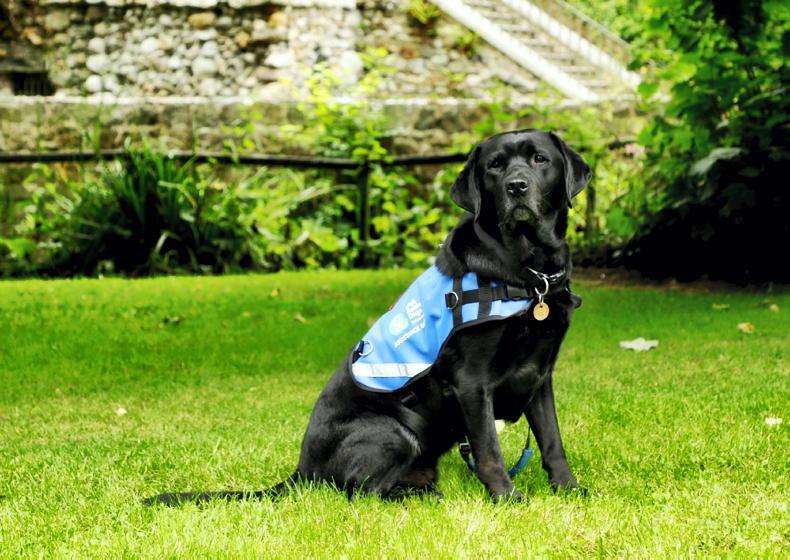
ACROSS the country, therapy and assistance dogs are increasingly being recognised not simply as companions, but as life-changing partners helping people navigate some of life’s greatest challenges.
From autism support and PTSD recovery to mobility assistance and therapeutic work in schools and hospitals, the role of specially-trained dogs continues to expand as awareness grows around the emotional and practical support they can provide.
Organisations involved in assistance dog programmes say demand for services has risen steadily in recent years, reflecting wider recognition of the positive impact dogs can have on mental health, confidence and independence.
Irish Guide Dogs for the Blind, which also trains assistance dogs for children with autism and adults with mobility needs, has repeatedly highlighted the transformative effect these partnerships can have on families.
Mobility assistance
According to the organisation, assistance dogs can help children with autism feel calmer and safer in public spaces, while mobility assistance dogs support adults with everyday tasks that many people take for granted.
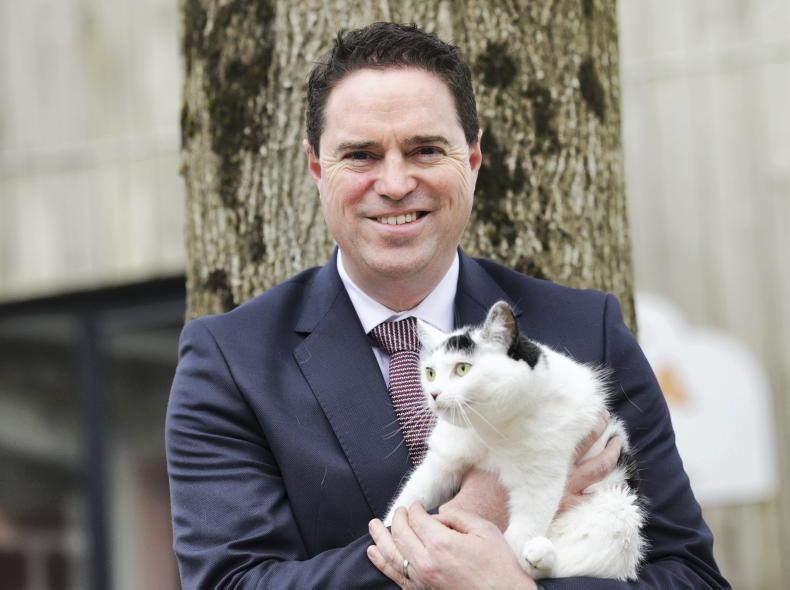
Speaking about the impact of assistance dogs, Tim O’Mahony, chief executive of Irish Guide Dogs for the Blind, said: “These dogs provide freedom, confidence and independence, but they also bring companionship and emotional support that can be truly life-changing.”
Therapy dogs are also becoming increasingly visible in Irish schools, nursing homes and healthcare settings, where trained dogs are being used to reduce anxiety, encourage communication and provide emotional comfort.
In hospitals and educational settings, handlers say even short interactions with dogs can help lower stress levels and create calmer environments for patients and students alike. For many families, however, the benefits are deeply personal rather than clinical.
Parents of autistic children frequently describe assistance dogs as helping their children gain confidence and independence, while reducing daily stress within the home. Similarly, veterans and trauma survivors involved in PTSD support programmes often speak about the reassurance and stability provided through canine companionship.
As Ireland continues to place greater focus on inclusion, wellbeing and mental health support, therapy and assistance dogs are increasingly being recognised not only for what they do practically, but for the human connections they help create.
In many cases, the partnership between a person and their dog becomes far more than practical support, it becomes a source of trust, confidence and renewed independence.



SHARING OPTIONS: