

 This is a subscriber-only article
 It looks like you're browsing in private mode



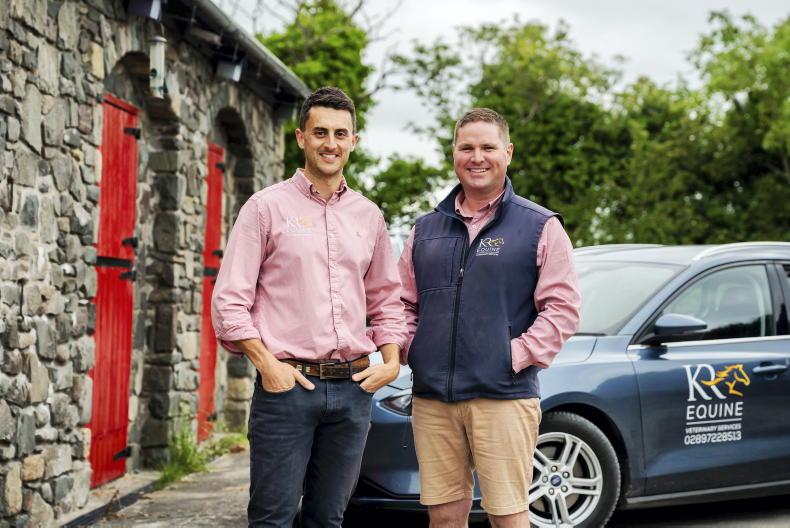
FIVE years into running KR Equine, Christopher Akkari offers a telling measure of the practice’s success: “I love what I do, and I think that’s because we got the balance just right.” For Akkari and fellow veterinary surgeon and business partner David Turley, that balance has been central to developing their independent equine practice across Counties Down and Antrim. Their anniversary celebrates clinical investment and growth, alongside a considered approach to making demanding veterinary careers sustainable.
“I think a big sense of achievement for me is creating a young practice that has values that match modern living,” says Akkari. “We put a big weight on the importance of work-life balance and looking after the team.” Crucially, he says, “none of that has come at the expense of the care that we provide animals”. It is a principle that runs through their approach to staffing, appointments and emergency cover, with cooperation underpinning the business from its earliest days.
Founded in 2021 through the merger of two established practices, KR Equine grew from a practical conversation between neighbouring vets. “David and I were each other’s competitors in exactly the same area,” Akkari recalls. “But thankfully, we saw sense and discussed sharing out-of-hours.” That arrangement allowed them to develop trust before committing to a partnership, and today six vets participate in the shared out-of-hours rota. “We put that aside and said it’s more important that we’re one in six than a one in two or three,” says Turley.
Within KR Equine, the partners are joined by veterinary surgeons Kara Johnston and Gemma Elkin, supported by veterinary technicians and administrators Jane Bruce and Victoria Cairnduff. Turley readily acknowledges their contribution: “We couldn’t have expanded like this if we didn’t have their backup.” Having a dependable team also allows the partners to protect time away from work, confident that their clients and patients remain in experienced hands.
Working and communicating
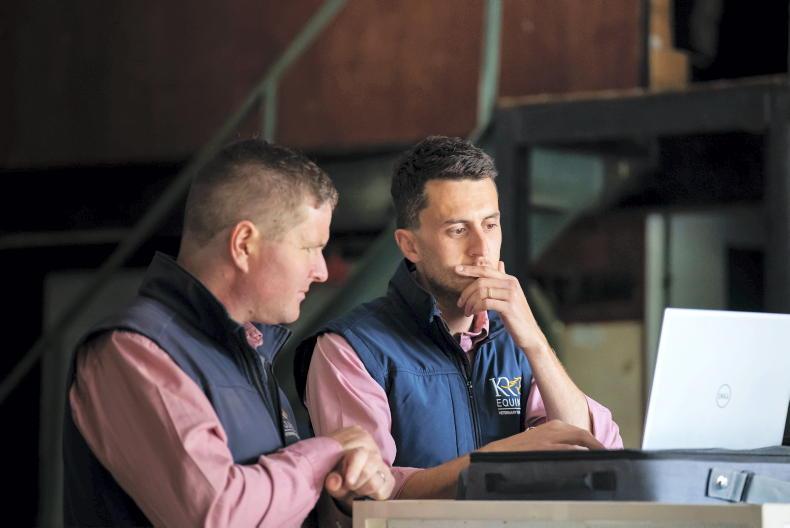
“I think most of it revolves around just planning and being disciplined with the plan,” explains Turley, who aims to work a four-day week, allowing for racing duties and other unavoidable commitments. Clients have adapted readily, he says, particularly when they understand that another experienced colleague can attend. “It’s having good clients and working and communicating with them, I guess.”
For Akkari, the benefits extend directly to continuity of care. “If you can make these models where the vets feel valued and they have a good work-life balance, then they stay,” he says. “What that gives to the clients then is a continuity of not a new face arriving every six months.” Both partners acknowledge that geography, horse density and their diverse client base help make the arrangement workable. Turley is careful to recognise the different pressures facing mixed practices and vets covering much larger rural areas.
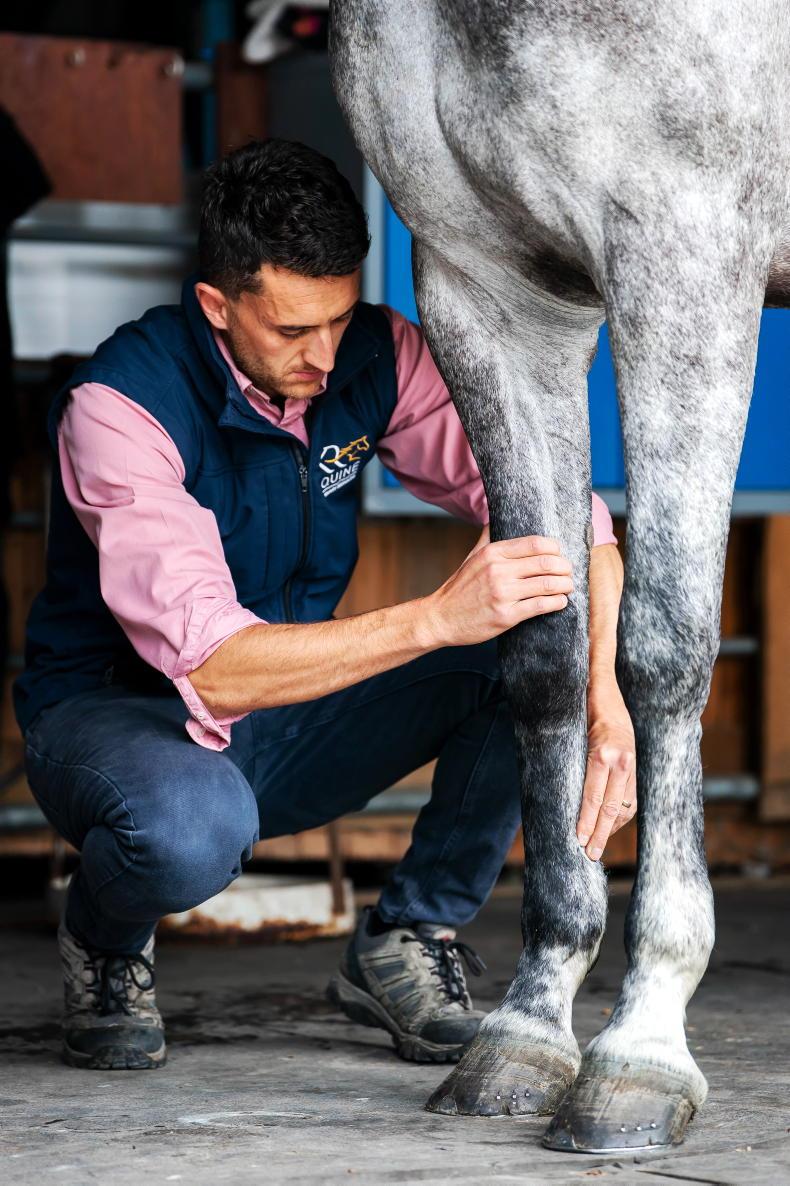
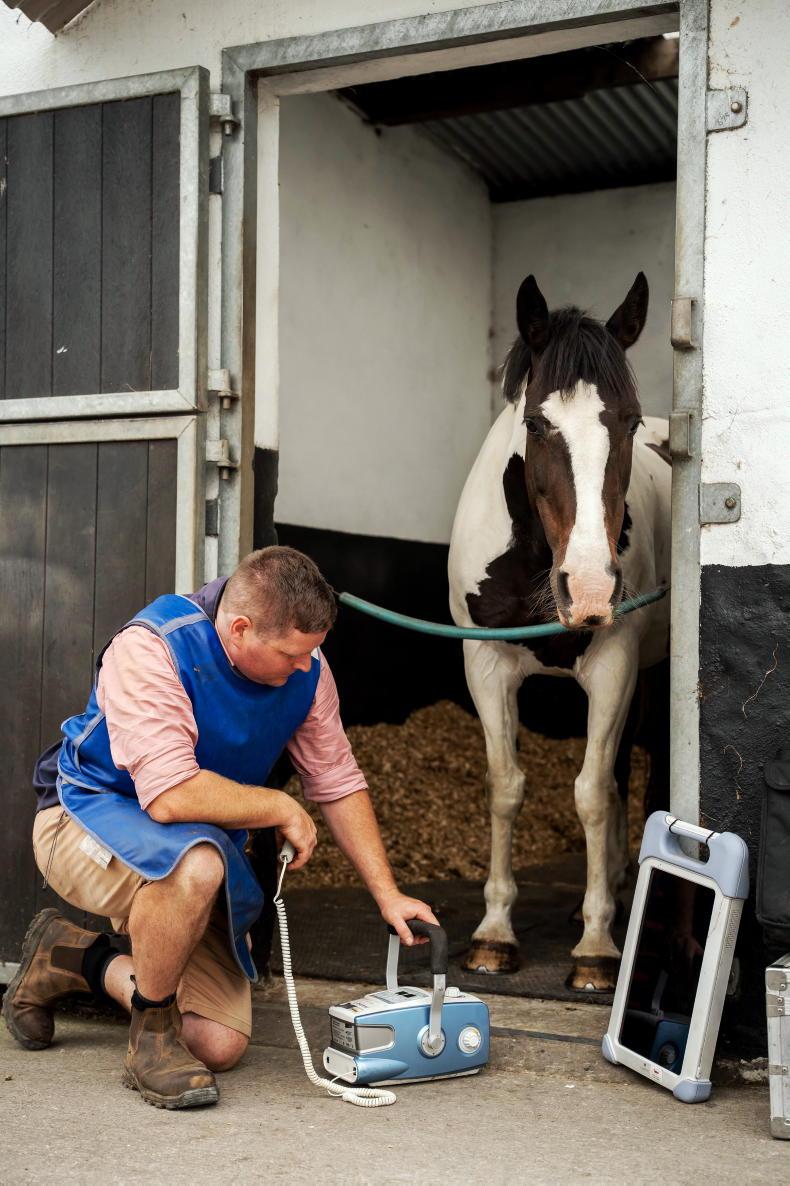
Alongside developing the team, KR Equine has invested substantially in equipment. The practice has three X-ray machines and five ultrasound scanners, alongside motorised dental equipment, gastroscopy and blood-testing facilities. More investigations and treatments can therefore be undertaken at clients’ yards, while owners have become increasingly interested in using the available diagnostics. “They’re the ones pushing for more knowledge, so they can treat their horse to a higher standard of care,” says Turley.
Consolidating the service
That informed approach matters as clinical challenges evolve. Turley identifies suspected wormer resistance as an increasing concern, including among horses whose owners are conscientious about management. He stresses the importance of veterinary guidance and a considered approach to monitoring, rather than relying on a single result or a fixed treatment habit. Maintaining good care also shapes the partners’ ambitions: their immediate priority is consolidating the service within their existing area. “You don’t want client care to ever, ever drop,” he says.
The practice serves thoroughbred and sport horse breeders, commercial yards and individual leisure owners, helping distribute demand throughout the year. “We have a real diversity, and that’s a strength,” says Turley. Both partners are grateful for their clients’ trust and their families’ support. “The extended team that is not on the website is our wives and our family,” says Akkari, acknowledging those who have helped make the business possible.
Five years on, their enthusiasm remains unmistakable. “I love every day working with horses,” says Turley. For KR Equine, that enjoyment is part of what they have worked to protect: a practice where committed vets can build fulfilling careers, while continuing to put their patients first.

SHARING OPTIONS: