

 This is a subscriber-only article
 It looks like you're browsing in private mode



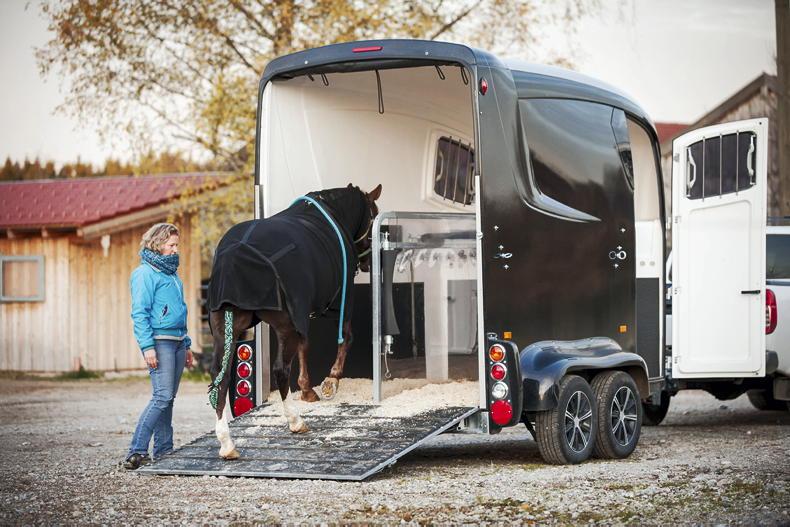
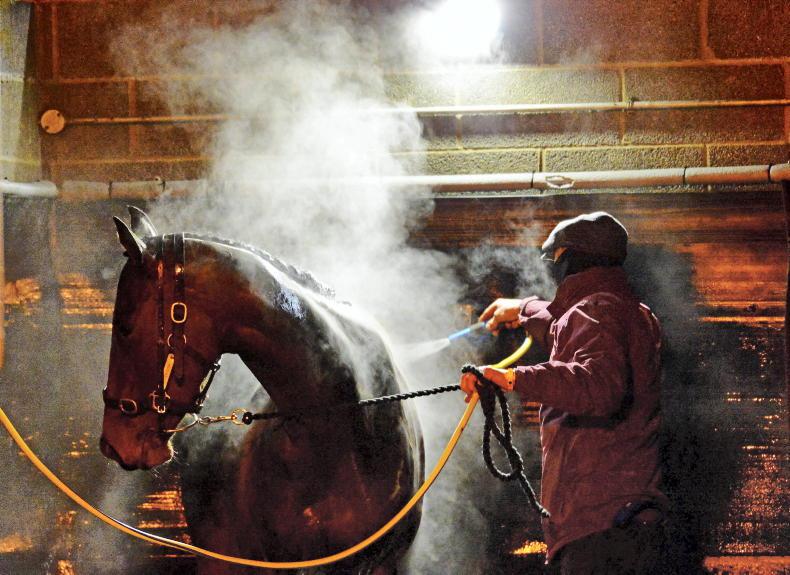
IN previous articles, classical conditioning has been described as one of the most important types of learning. Classical conditioning involves forming associations between two or more events (normally called stimuli) that occur simultaneously or in quick succession. This learning allows an animal to predict and, if necessary, react to events that may be either harmful or beneficial to them. A slightly deeper look at its role in day-to-day behaviours helps identify how important it is in influencing equine behaviour through many different stages of the daily routine, and throughout life.
For a free-ranging horse, many associations formed will be related to the environment (such as changes in weather that result in animals moving to a more sheltered location). For domesticated horses, many of the associations formed will be in response to events during their management and daily routine. The rattle of a feed bucket before food is delivered, the approach of the veterinarian before restraint/injection/change of a wound dressing is carried out, the approach of a person holding clippers before the horse is restrained and clipped, can over time result in predictable responses being shown before the horse has been injected/clipped/fed. Injection shyness and clipper shyness are two problems frequently encountered by owners and vets.
In the ridden horse, many riders recognise the horse beginning to offer a transition (such as slowing from trot to walk, or walk to halt) before the rider has given the cue, where it feels as though the horse is almost reading the rider’s mind. Such horses are often described as ‘sensitive’, or ‘willing to please’. An alternative explanation for such sensitive responses is that, through classical conditioning, the horse has come to associate rider postural changes and changes in rein tension that immediately precede the cue that the rider will give (rein and/ or leg cue), to bring about the desired transition, and begins to respond to these preceding cues.
Another version of this type of learning occurs when a horse recognises subtle changes in routine that happen on the day of an exciting event. Through previous experience of these changes in routine preceding a trip to the racecourse/hunt/cross-country event, the cues have become associated with the event, resulting in displays of arousal (pacing, sweating, reduced interest in food) in advance of the horse being loaded into the transporter.
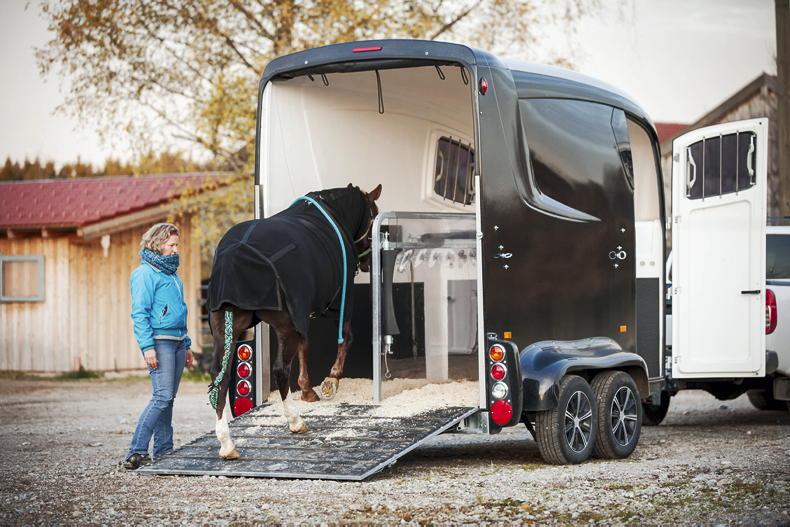
For domesticated horses, many of the associations formed will be in response to events during their management and daily routine \ iStock
Create associations
One important reason for us to be aware of and to recognise this type of learning at work is its usefulness to us. Setting up preceding cues during riding, such as giving a voice or other cue before we apply the leg/rein signals, will in time create associations that allow us to elicit that response using simply the voice/other cue. This is already a practice that many equestrians are already using, but in many cases, it could be used in more situations.
In addition, if we can, in as many husbandry and management situations as possible, create positive associations (i.e., arrange for the horse to have something positive happen in that situation), the horse’s behaviour in that situation in future will be less likely to be anxious.
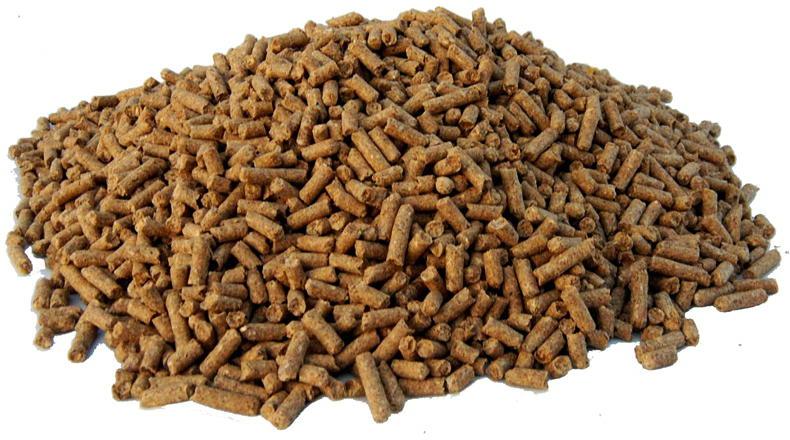
Something as simple as delivering food treats at intervals during training, clipping, or while teaching the horse to load onto a trailer/lorry, can create positive associations that persist. Relying only on the use of head collars/bridles, restraining or controlling horses’ movements sufficiently that we get them to do what is required of them, misses the opportunity to change the horses’ attitude from neutral or tolerant, to one that is positive, curious, interested and happy to take part in whatever the procedure is.
If a horse routinely receives a small amount of feed in a bucket each time it is brought from the field, catching the horse/bringing it away from its companions or into a yard is less likely to develop into a problem, as a horse will associate that routine with the treat that follows.
As neophobic animals (suspicious of new things), bringing a horse into an unfamiliar area (wash bay, transporter, examination area), nervousness and subsequent escape attempts are less likely to develop if the experience is paired with something pleasant (e.g., food, scratch on the withers). As horses are continually forming associations, whether we are aware of them or not, deliberately using this learning capability to make our training more effective, and our day-to-day handling and management of our horses safer and less stressful, creates a win-win situation.

SHARING OPTIONS: