

 This is a subscriber-only article
 It looks like you're browsing in private mode




IT is more commonly associated with a trip to the cinema than a visit from the vet, but researchers have found that ordinary cola could have a surprising role in treating a particular form of colic in our horses.
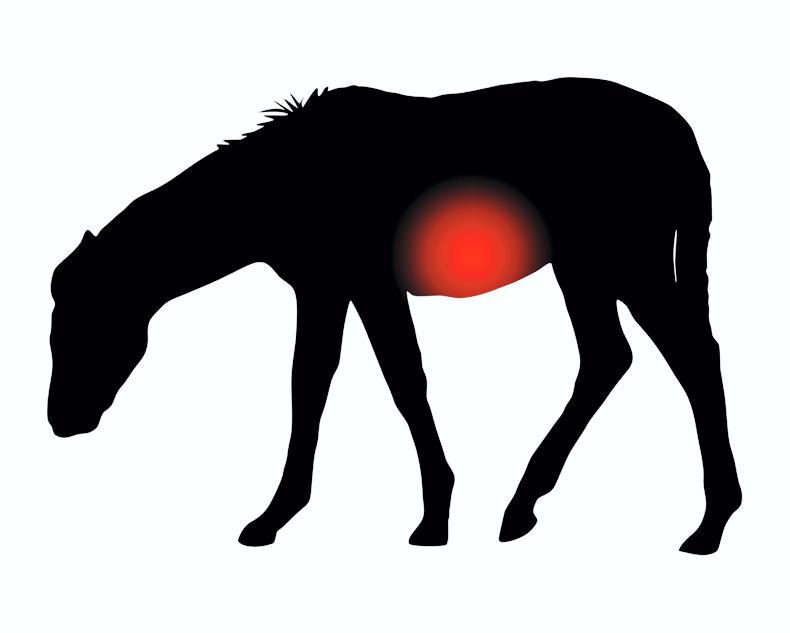
Gastric impaction occurs when feed material accumulates in the stomach, forming a firm mass that the horse is unable to move normally through the digestive tract. Though relatively uncommon, it can become a serious and potentially life-threatening condition.
Researchers at Utrecht University examined the records of 125 horses diagnosed with gastric impaction between 2003 and 2019 to investigate whether administering cola directly into the stomach could help.
Administration of cola
The results were striking. Of 58 horses whose treatment included cola administered through a nasogastric tube, 48 (82.8%) survived to discharge. Among 67 horses that did not receive cola, only 24 (35.8%), survived.
The researchers concluded that gastric impactions were more likely to resolve when treatment included nasogastric administration of cola.
Exactly why might a fizzy drink help though? Cola has previously been used in human medicine to help dissolve solid masses of material trapped within the stomach. Its acidity and carbonation are thought to contribute to breaking down compacted material, although its precise action in equine gastric impaction is not completely understood yet.
The study also revealed an intriguing breed difference. Friesians represented around 30% of the horses with gastric impaction despite accounting for only 9.4% of horses admitted to the hospital. Friesians receiving cola treatment also had poorer survival than other breeds.
There are important caveats. This was a retrospective study rather than a randomised clinical trial, meaning the researchers looked back at horses that had already been treated. Differences between cases and treatment decisions could therefore have influenced the results. Cola is certainly not a home remedy for a horse showing signs of colic.
Nutritional management
The research is interesting in light of a new 2026 review of nutritional management of equine colic. Researchers from the Universities of Turin, Parma and Bologna concluded that nutritional management remains an important but still developing area of colic treatment, with much of the existing practice based on limited evidence.
Their review also highlights a broader change in thinking: early, carefully managed reintroduction of enteral feeding following colic may support recovery, while prolonged fasting may not always be beneficial to the horse.
So don’t reach for a bottle of cola if your horse develops colic, reach for the telephone and call your vet. But, in veterinary hands, that familiar red bottle may just have a more serious use than we once imagined.



SHARING OPTIONS: