

 This is a subscriber-only article
 It looks like you're browsing in private mode



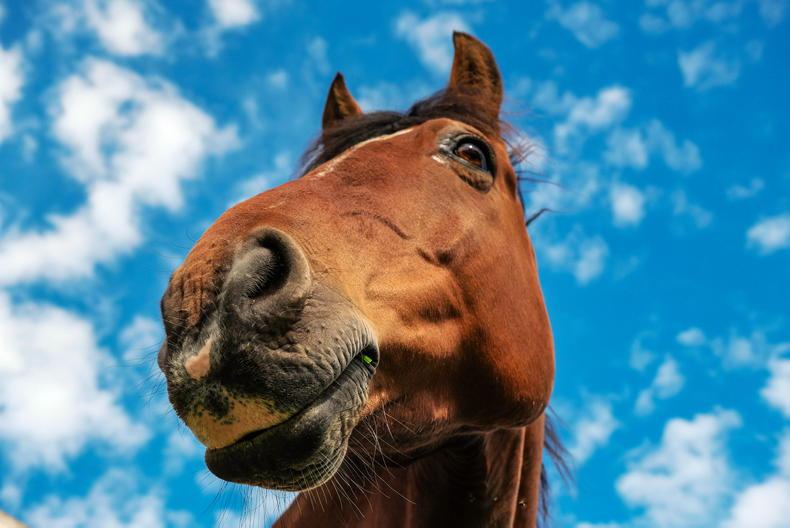
LET me be clear from the outset: I did not invent transport. I did not ask for ramps, partitions or reversing lights. I am, by design, a grazing animal whose instinct is to notice danger early and leave at speed. So when you ask me to stand in a narrow, enclosed space that vibrates, hums and occasionally lurches sideways, you are asking a great deal.
You tend to talk about vehicles, payloads and partitions. I experience corners, braking and the unsettling sensation of the ground moving beneath my feet.
Every journey starts before the ramp comes down. If the yard is calm, if the headcollar appears without drama, if the hay smells familiar, my heart rate stays steady. If there is rushing, raised voices and last-minute panic, I feel it long before you do. Horses are excellent readers of emotional atmosphere.
Loading is not about force; it is about trust. A ramp is an invitation into the unknown. When I walk on quietly, it is not because I enjoy it, but because experience tells me that nothing bad usually follows. That confidence is built slowly. One rough journey can undo many good ones.
Once the doors close, the real work begins. I travel standing because it is the best way for me to balance. My legs become shock absorbers, constantly adjusting. Every corner asks me to widen my stance. Every brake test requires me to shift weight and brace. This is why smooth driving matters more to me than any gadget ever will.
I also generate heat while travelling. My muscles are working continuously, even when I appear still. Ventilation is not a luxury; it is essential. Too little airflow and I arrive damp, uncomfortable and tired. Too much draught and I stiffen. Getting this balance right is one of the quieter skills of good transport.
Corners are cut
Short journeys are not always easy ones. In fact, they can be the most chaotic. When it is “only half an hour”, corners are cut and checks are skipped. Longer journeys often involve more planning: careful driving, water, and time to recover on arrival. Distance matters less than decision-making.
I notice the surface beneath my feet. A secure, well-maintained floor gives me confidence. A slippery one makes me tense, and that tension carries through the entire journey. Calm horses at the other end are rarely lucky; they are comfortable.
Familiarity helps. Hay from home smells safe. My own bucket encourages me to drink. Small details tell me this journey is part of routine, not a sudden disruption. Predictability is one of the kindest things you can offer a travelling horse.
Experienced travellers often look better when they arrive, and this puzzles people. It is not because the journey was easy. It is because it was expected. Horses cope well with known challenges. Surprises are what undo us.
The person who understands this best is often the travelling groom. They notice the small things: whether I shift my weight more than usual, whether I hesitate to lower my head to eat, whether my ears stay tight and back. These signs are subtle, but they matter. A good groom adjusts before problems appear. A great one will call a halt if something feels wrong.
Arrival is not the end of the journey. Stepping off a vehicle requires recalibration. My muscles are warm but tired. My balance needs time to reset. Being rushed straight into work is like asking a human to sprint after a long flight. A quiet walk, a drink and a moment to look around make all the difference.
You measure journeys in miles and minutes. I measure them in sensations: smooth or jarring, quiet or chaotic, predictable or alarming.
The best journeys are unremarkable. No drama. No heroics. I walk off, lower my head, eat, and get on with my job. That is not chance. It is preparation. When transport is done well, it becomes something I manage rather than endure – and for a horse asked to stand in a moving box, that is as good as it gets.


SHARING OPTIONS: