

 This is a subscriber-only article
 It looks like you're browsing in private mode


Walk into any Irish betting shop on a Wednesday afternoon, and you'll likely find it packed with punters watching races from Leopardstown, Cheltenham, or even obscure tracks in Kempton. This isn't an accident. In Ireland, horse racing overshadows other forms of gambling. The numbers tell part of the story. Horse racing accounts for roughly 40% of all sports betting turnover in Ireland, dwarfing football, GAA, and other sports combined. Even as online betting games and slots have grown significantly since the mid-2010s, horse racing maintains its tight grip on Irish betting culture in ways that defy broader European trends.
The Cultural Infrastructure of Horse Racing
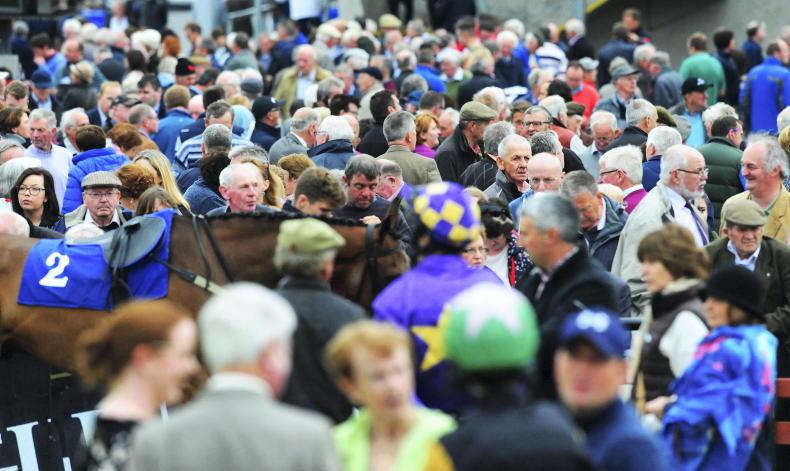
Ireland's relationship with horse racing goes deeper than simple entertainment. The country hosts 26 racecourses, which is an extraordinary density for a population of just over five million. These aren't relics of a bygone era; tracks like the Curragh and Punchestown draw tens of thousands for major festivals where families gather, and communities connect.
This infrastructure creates something online betting cannot easily replicate: a participatory culture. Most Irish people grow up within driving distance of a racecourse. They attend meetings with parents or friends and absorb the language of form guides and going descriptions from an early age. They develop genuine opinions about trainers and jockeys. Betting on horse racing becomes an extension of engagement rather than pure gambling.
Compare this to online betting games, which remain more transactional by nature. While there are thousands of Irish online betting establishments to choose from without going out the door, they lack the social aspect that many players prefer. There's simply no conversation about strategy or local knowledge.
You press a button and wait for an algorithm. There's simply nothing to discuss over pints.
Economic Realities
Ireland's racing industry employs roughly 30,000 people and contributes approximately €2.46 billion to the economy annually (in 2022), according to a report from Horse Racing Ireland (HRI). Racing receives government support through HRI, which coordinates industry development and receives state funding.
No equivalent body promotes casino interests. While an Irish gambling regulation is on its way, gambling on online betting establishments currently gives nothing to the Irish economy.
The Knowledge Advantage and Skill Perception
Irish bettors approach horse racing with a level of analytical engagement that betting establishment gaming rarely inspires. Studying form by examining a horse's recent performances, track preferences, breeding, and trainer patterns creates a perception of skill-based betting. It's become a skill. Whether this actually provides an edge over the house matters less than the belief that it does. Luck still plays an important part in the equation, so even the biggest horse-betting experts will not win every time. Still, they might find the luck more often to fall in their favour.
This perception shifts racing from "gambling" into something closer to "informed speculation" in many bettors' minds. A punter who identifies an overlooked horse based on form analysis feels vindicated by their knowledge, not just lucky.
Betting establishment games offer no such narrative. The house edge is fixed, and while there are differences between the bets in some games, a quick Google search will give you all the info you need to know.
The Irish betting industry reinforces this dynamic. Bookmakers employ racing analysts, publish detailed form guides, and sponsor expert commentary to ensure the bettors get the most out of the experience. This ecosystem validates the idea that racing rewards knowledge and keeps punters engaged in learning more, reading more, and ultimately betting more.
Why This Matters for Irish Betting Platforms
Understanding racing's dominance explains why Irish betting sites look different from their UK or European counterparts. European gambling sites might balance racing with football and betting establishment gaming more evenly, if not even less. While horse racing is popular in Europe, with approximately 78,000 horse races yearly, and an economic impact of €100 billion yearly according to equerryco.com, its popularity online is overshadowed by football and other sports. Irish platforms prioritise racing in their interfaces because their customer base expects and demands it. It's simply in the Irish culture.
This creates interesting dynamics for new casinos in the Irish market. International bookmakers hoping to attract Irish customers are unlikely to succeed without options for horse betting. End, even then, there's no guarantee. The biggest brands are usually the ones gaining the most traction, thanks to larger investments in the Irish Market. They often offer the most comprehensive racing coverage and employ local experts to provide users with knowledge and statistics. Anything less signals a fundamental misunderstanding of the Irish betting market.
This dominance shows little sign of weakening with a new generation. Young Irish people still attend race meetings, follow major trainers on social media, and discuss form with the same enthusiasm as previous generations. As long as Ireland maintains
its unique racing infrastructure and culture, horse racing will continue to be a niche that online betting establishments cannot replicate.

SHARING OPTIONS: