

 This is a subscriber-only article
 It looks like you're browsing in private mode


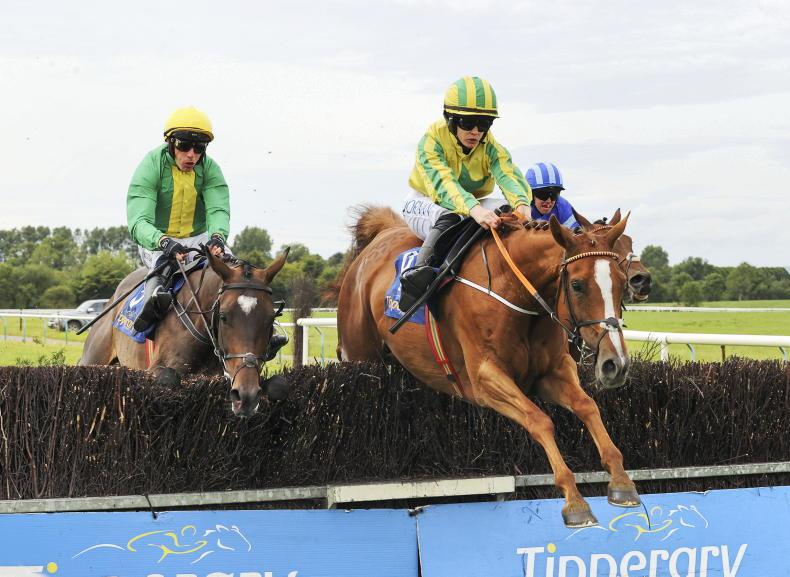
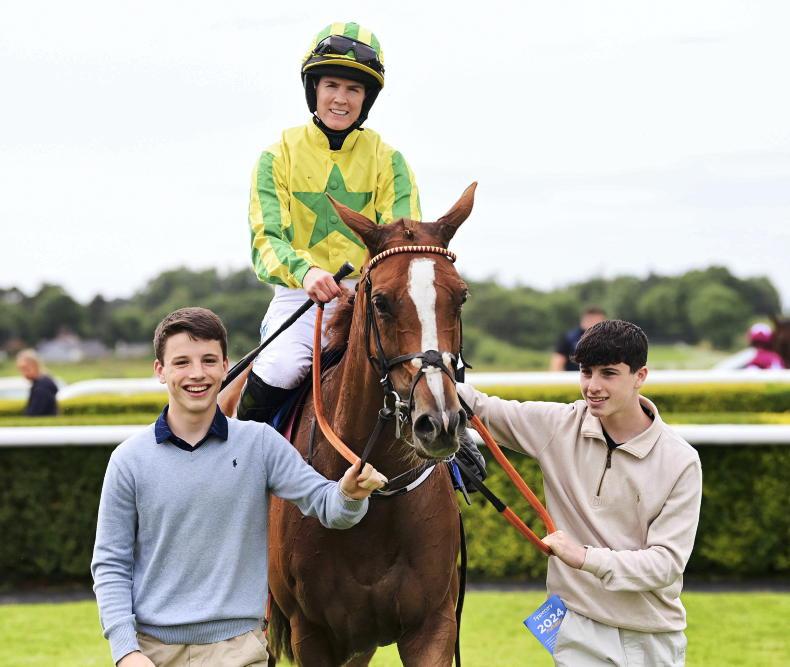
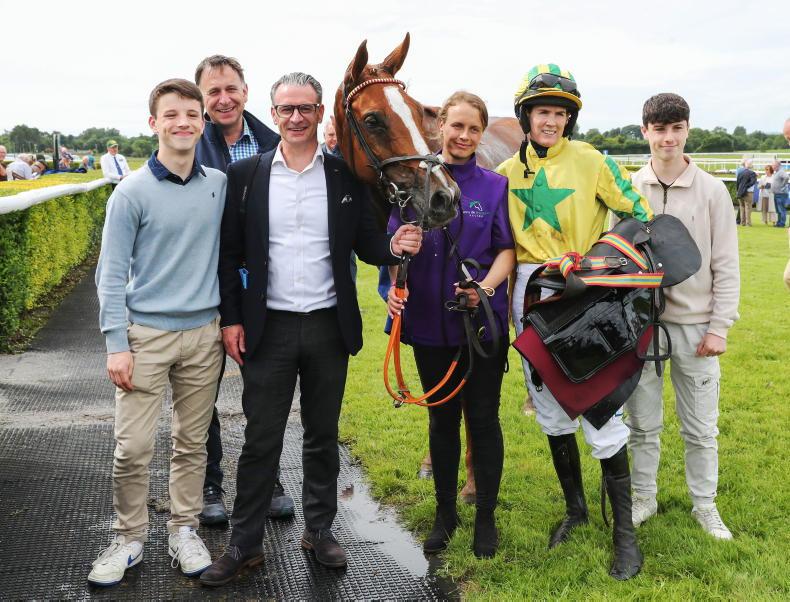
”WE had a plan last year that we would go over fences with Popova after Punchestown. Rachael had been schooling her last year, so a lot of work had gone into that particular day. It was fantastic that it actually worked out, and the fact that it she won an ITBA bonus as well was phenomenally important.
The ITBA Bonus scheme is the best thing that has happened mares racing for the last decade. Getting paid hard cash for your mare winning a race eligible for ITBA bonus is phenomenal in terms of going on with mares in this country.
I can tell you now that that money will be reinvested in my next mare. I got such a kick out of getting a bonus that as I was driving home, I told my two boys, ‘that money is going to be earmarked for our next year.’
Prize money issue
The race’s winning prize was €6,900, but once you take the deductions off, it’s probably closer to €5,000. That’s two months training fees, so she needs to win a race every third month to pay for herself.
That’s how mad this country is. Honestly, the majority of my horses are in France, and the French horses are paying for me to have horses in Ireland.
Based on the HRI website, there are currently 1491 horses in training that are rated between 80 and 116. Of those, how many are paying for themselves? I’d say none, because there is no prize money for a horse rated 116 or less in this country.
There are two fundamental problems with horse racing in this country. We have too many horses and too many races, and then you have the bookmaking industry.
There’s nothing we can do about the bookmaking industry, but certainly, I think we can control the number of races there are and so, the programme needs to be changed. It’s not sustainable any longer.
The perfect start
Henry and I looked at nearly every mare in that Goffs Land Rover (now Arkle) Sale. We settled upon this particular filly (Popova for €11,500) at the time that we both liked and felt would be within our budget. Because she was smaller, we knew we’d have to give her time, so she didn’t run for about 18 months in a race.
She ran in two point-to-point races, just to see if she could do anything, rather than going to the expense of having Henry train, as he’s a little more expensive than a point-to-point trainer.
The likes of Brian Acheson, J.P. (McManus) and a few more are using point-to-point handlers as an academy for their horses, giving them an education before going to bigger, more competitive races.
From an owner’s perspective, it’s about half the cost to have your horse with a point-to-point handler and it’s no harm for the horse to develop and take time in the point-to-point circuit for a race or two. Then you can form an educated assessment of whether the horse is actually up to performing at a different level.
Changing times
Generally, mares used to be cheaper compared to geldings. Now, with the popularity of targeting mares’ races, they’re not so cheap anymore, especially after what Henry did with Honeysuckle. Those types of mares have certainly attracted more owners, I think, into having mares.
Unfortunately, it’s become very difficult to buy a value mare nowadays and that is down to a number of factors. Unfortunately, I don’t have the same line of credit as other people might have, and therefore I have to pay for my horse within 30 days of purchasing it. It’s not a level playing field anymore.
So now, the last two mares I bought have been out of the flat and in horses-in-training sales. The one thing that drives me insane, that I can’t abide, is where I’ve been outbid a number of times at the sales, and before I even get home, that horse is now on Twitter.
The buyer advertises shares for an exorbitant amount of money that doesn’t bear any relationship to what they actually paid for the horse. That should be outlawed. There’s no regulation of syndicates or clubs in this country.
In France last year, myself and two friends tried to buy a horse, and we were unsuccessful. We were very lucky, because we found out that the horse had very poor confirmation and had an injury.
Two weeks later, I read about that horse back in a yard in Ireland and the syndicate advertised for a phenomenal amount of money. It was fully subscribed, but that horse hasn’t been seen since February of this year.
The mares’ programme
While there’s been welcome development over the last number of years, a lot more work needs to be done. I’ve done a lot of analysis and put a lot of thought around the mares’ programme and how it could be improved.
Did you know there’s only one listed handicap hurdle per year? There’s only one listed handicap steeplechase. There are two listed bumpers, and they’re only over two miles. There’s no Grade 1 steeplechase. There are no listed or graded hurdle race during the summer.
The problem is there are only four listed or graded steeplechase races, and they take place between November and February, and Popova likes good ground. To get blacktype in Ireland, you have to have a winter ground mare.
French inspiration
A lot of what happens in France involves red tape, but what they do is phenomenally successful. Leaving aside prize money, their initiatives for three-year-old fillies, and having a specific race programme for them, needs to be considered in this country.
At those first two races in Auteuil in April for the three-year-old geldings and fillies races, the queue of people there to buy horses before they even get back into the parade ring is phenomenal.
The likes of Willie (Mullins) goes to France to buy three-year-old fillies that then go and win at Cheltenham, and we see it all the time. So, if it works in France, why can’t we have an avenue here for our mares?
Instead of that, there was a three-year-old race last night in Ballinrobe and I don’t think there was a single National Hunt stallion represented in that race. I think they were all, for want of a better word, ‘failed’ flat horses, that said they’d give it a go over hurdles.
There are so many things they could do in HRI if they actually sat down and strategically said, ‘you need to get a pen and piece of paper and start from scratch’.
Because the world has moved on, horse racing has moved on, but the programme fixture list is stuck in the 1980’s.

SHARING OPTIONS: