

 This is a subscriber-only article
 It looks like you're browsing in private mode



What is laminitis?
LAMINITIS is an extremely painful condition that can affect any equine. Laminitis is an emergency and veterinary advice should be sought immediately if you suspect your horse, pony or donkey may be suffering from it.
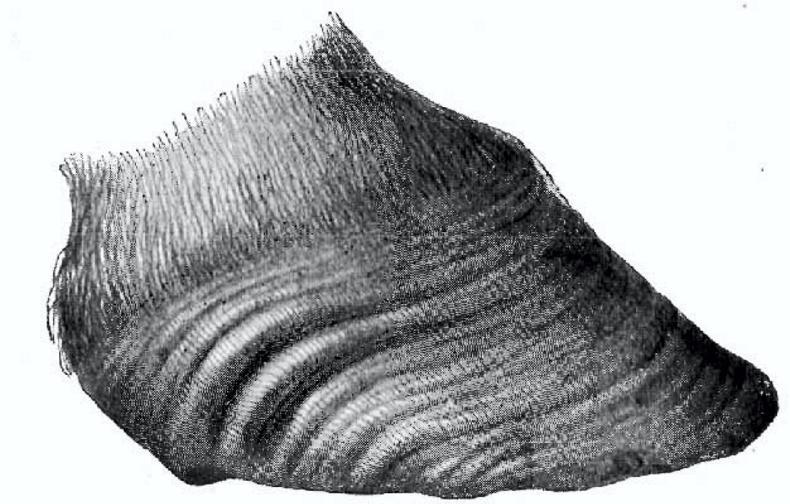
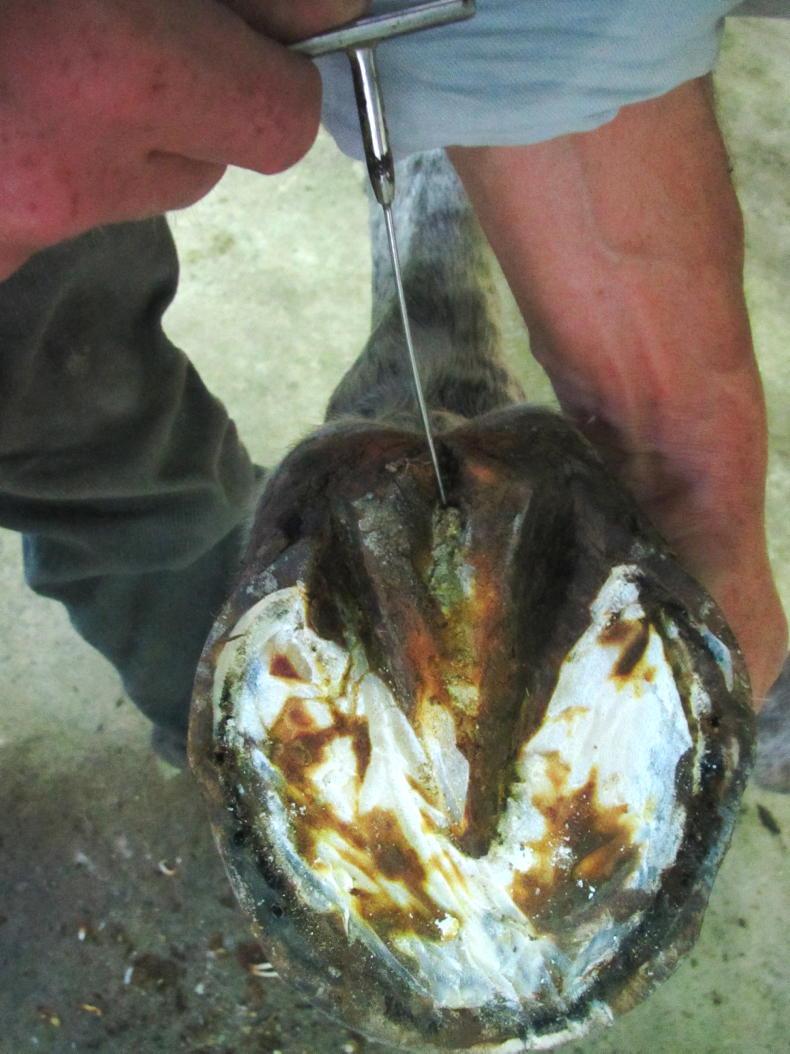
Laminitis refers to a condition of the feet in which there is painful inflammation and weakening of the sensitive tissues (laminae) that bond the pedal bone (the main bone within the hoof) to the hoof wall.
The weight of the horse pushing down on these weakened tissues can cause the pedal bone to separate from the hoof wall and rotate or drop towards the sole. In severe cases the pedal bone may penetrate through the sole of the foot.
A horse suffering from chronic laminitis will need special care for the rest of its life. In many cases, even with the very best care and attention, the hoof damage is so severe that the horse cannot be made comfortable; in these cases euthanasia is sadly the only option.
What causes laminitis?
Laminitis is a very complex disease, which can result from numerous different risk factors. However, two main causes have been established:
1. Hormonal disorders: Factors that disturb the normal balance of hormones can lead to laminitis and include, Equine Metabolic Syndrome and Cushing’s Disease. Hormonal imbalance can be caused by excess body fat and certain steroid medications.
2. Inflammatory response: The inflammatory response occurs following carbohydrate overload (gorging on concentrate feedstuffs) and inflammatory diseases such as colic, diarrhoea or retention of the placenta after foaling.
How do I prevent laminitis?
The first step to preventing laminitis is ensuring your horse is the right weight by regular fat scoring, appropriate diet and exercise.
Underlying metabolic conditions may be medicated by the vet to help manage the condition.
If your animal has had laminitis previously follow all veterinary advice, check the digital pulse daily, provide regular trimming of feet and maintain appropriate diet and exercise regime.
What to look out for:
What to do if I suspect my horse has it?
How is laminitis treated?
What are the chances of recovery?
Complete recovery from laminitis is possible. However if hoof damage occurs it may lead to ongoing problems. For horses experiencing repeated episodes of laminitis it be necessary to consider their quality of life.
You can find out more about laminitis by talking to your vet or farrier or visiting the World Horse Welfare website or Care About Laminitis website where there are a number of helpful videos. You can also call the World Horse Welfare advice line on 0044 (0)1953 497238.



SHARING OPTIONS: