

 This is a subscriber-only article
 It looks like you're browsing in private mode



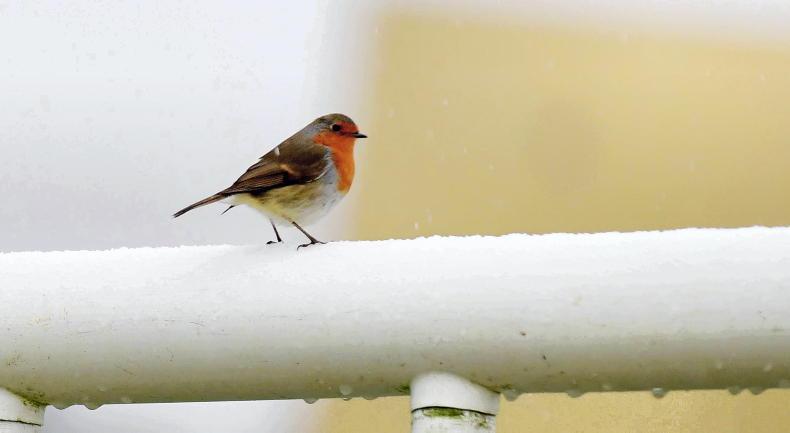


MANY things signal the festive side of the month, the robin redbreast, holly bright with red berries, and the ever-busy wren. Our friends at Farming For Nature have shared some of the things to look out for or to do on your equine farm over the next few wintery weeks.
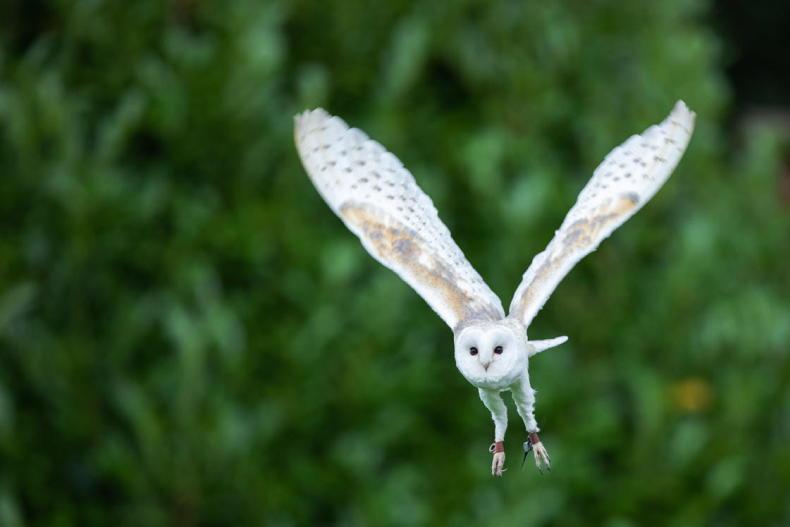
Beautiful barn owls
Keep an eye out at night for the barn owl - easier to see in winter as there is less foliage. Barn owls are mostly found in the south and midlands. They like to breed in farm buildings and will use special bird boxes. Avoid using rodenticides as these are fatal for owls.
Make a bug hotel with the kids
Leaves, dried stems, seed heads and fallen branches all provide winter cover for useful predatory insects, as well as other wildlife. Rather than burning, pile vegetation into a wildlife hotel and allow it to rot down naturally over the winter.
Don’t get rid of ivy
In late winter, the ivy berries provide a food source for the birds right through hungry gaps till March or even April. Ivy provides precious shelter for hibernating butterflies and other insects. It gives some small birds a place to huddle together to keep warm on winter nights and helps them survive until spring (e.g. long-tailed tits, wrens). Ivy can be left on trees except where there could be safety issues - along roads, close to houses. Managing ivy by trimming it back occasionally from the crowns of trees may be the best option.
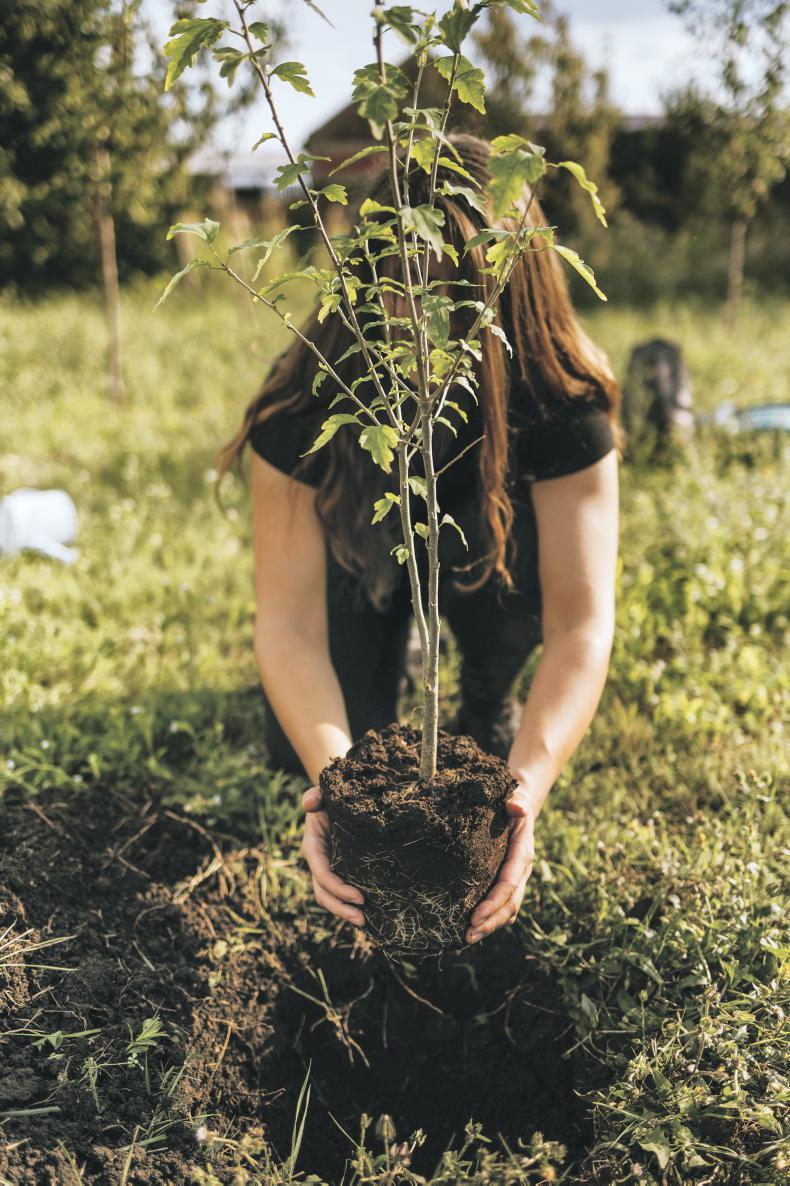
Plant bareroot trees
Any time over the next three months is a good time to plant bareroot trees, while they are dormant.
Try to source (or grow from seed!) local, native trees as these are generally more suited to the area and the resident wildlife. Plant your trees in pockets, strategically situated around the farm. By doing so, you may be able to gain additional benefits for your livestock (shelter, shade) and for the health of the soil and water on your land.
Protect your fields and water systems
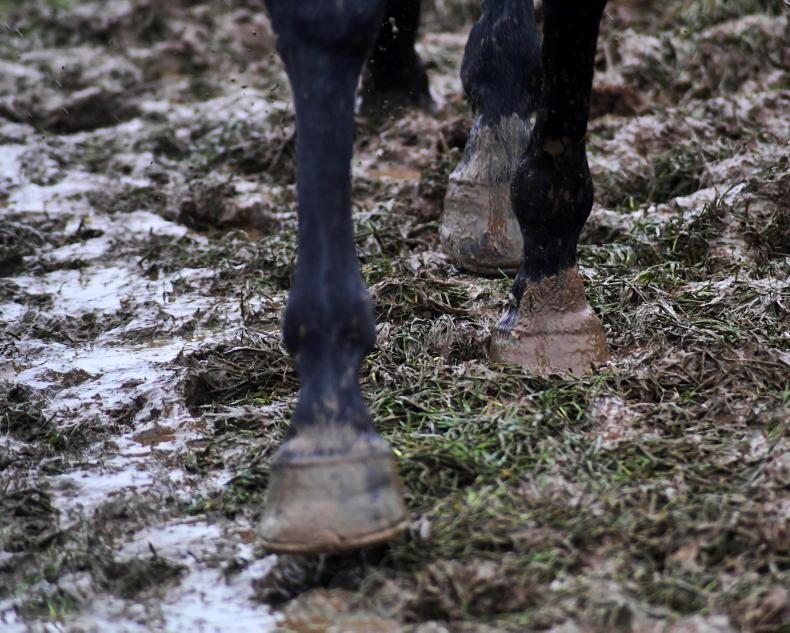
Feeding livestock outside in winter can result in poached areas or ‘sacrifice paddocks’. This can pose a real risk to water quality as nutrients and sediment can build up and then be carried into nearby water bodies after heavy rain.
Moving feeders regularly, maintaining good lie-back areas and splitting large groups of livestock into smaller groups will all help to protect your fields and prevent poaching and harmful run-off in winter.
Murmurations
As evening light fades, it is worth lifting your eyes to the sky to witness one of Ireland’s most striking winter wildlife spectacles. In autumn and winter, starlings in their speckled plumage gather in astonishing numbers across farmland, wetlands and coastal roosts before settling for the night.
Known as a murmuration, these swirling flocks can number in the thousands, moving as one in ever-shifting patterns. The behaviour offers safety in numbers, helping to confuse predators, while the shared roosts provide warmth through colder nights and reinforce the social bonds that are central to the species’ survival.
Hedgerows
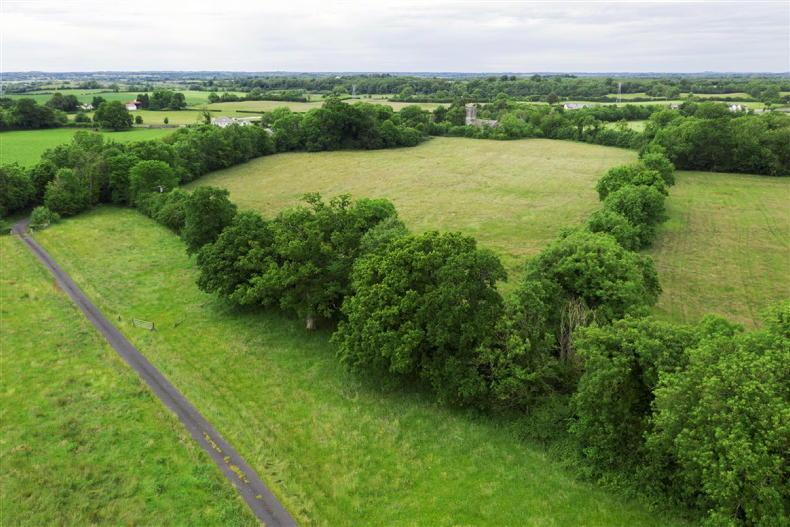
Plant new hedgerows and ‘gap-up’. When planning your new hedgerow, remember to maximise the benefit to wildlife by planting a variety of native flowering species grown from local sources. Also, try to connect new hedgerows to existing natural habitats to create corridors for wildlife.
Look at what grows well in your area and plant-in more of these. Better still, collect local seed and grow some yourself, it’s easier than you think.
Think about some hedge laying to rejuvenate the hedge and improve stock proofing. Laying a hedge is a real skill and a great way to help make it more stockproof. Coppicing species such as hazel, willow and whitethorn is also a good way to create different age structures in the hedgerow. The ‘All-Ireland Pollinator Plan’ has some excellent resources on managing new and existing hedgerows for wildlife.
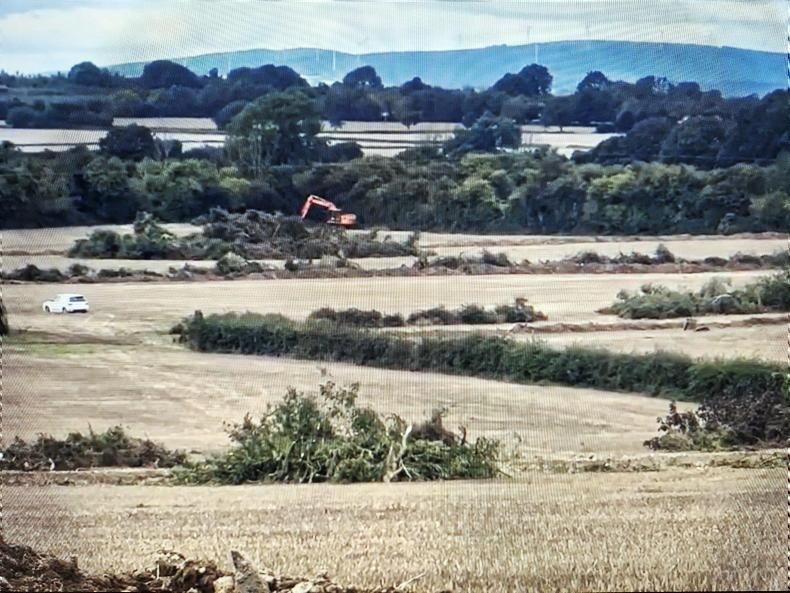
To minimise the impact on wildlife if you are cutting your hedgerows, try to cut them between November and January. While hedgerows can legally be cut from September 1st, this early cutting reduces food supply for wildlife. Ideally, cut your hedgerows in smaller sections and on a three-year rotation to ensure there is always some food available for wildlife. Try, if possible, to leave some hedgerow sections uncut, as this increases the diversity and structure of habitats present.
Resources
Farming For Nature have many resources available on www.farmingfornature.ie and they also have a wonderful handbook available via their website.

SHARING OPTIONS: