

 This is a subscriber-only article
 It looks like you're browsing in private mode





HORSES will always cost money, but smart management can make the difference between steady finances and spiralling bills. Here’s a Horse Sense A–Z of ways to save and spend wisely in the equestrian and thoroughbred industries.
A Advertising
Targeted, cost-effective marketing of horses or services (online, print, video) attracts the right buyers and clients without overspending.
?
B Bales
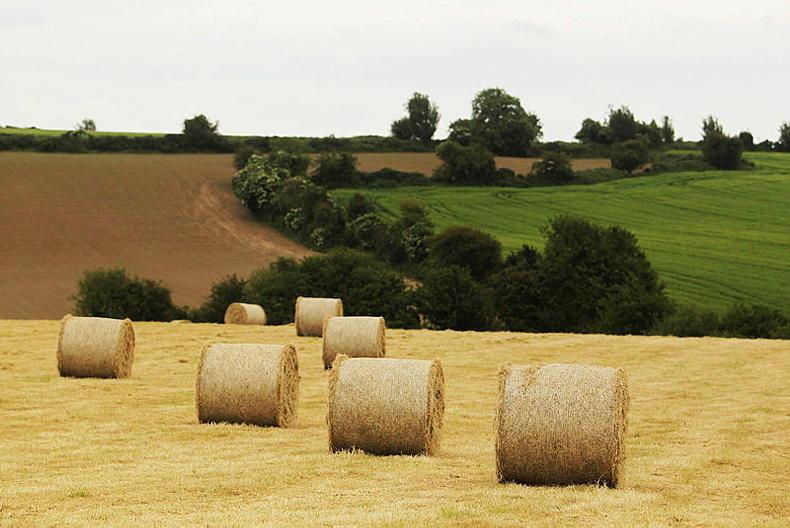
Buying hay and straw in bulk contracts, and securing reliable storage, keeps feed costs predictable and quality consistent.
C Consignment
Using an experienced consignor at bloodstock sales can maximise returns - their market knowledge often outweighs their commission.
D DIY livery
For owners with time and ability, taking on more of the daily care reduces livery costs significantly.
E Energy efficiency
LED lighting, timers and well-insulated stables cut down on electricity and heating bills.
?
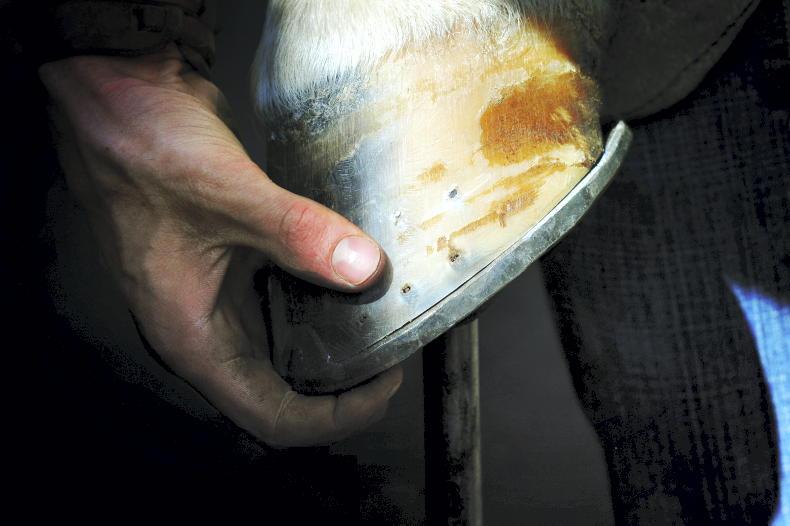
F Farrier forward planning
Stick to regular shoeing and trimming schedules. Avoiding missed cycles prevents expensive remedial work later.
G Group buying
Joining forces with other owners or yards for bulk orders of feed, bedding or veterinary supplies reduces unit costs.
H Health checks
Routine dentistry, vaccinations and worm counts prevent expensive emergencies. Prevention is always cheaper than cure.
I Insurance insight
Review cover annually. Ensure the policy matches the horse’s value and purpose to avoid overpaying or being under-protected.
JJoint ownership
Racing syndicates and ownership partnerships spread training and competition costs while maintaining involvement.
K Knowledge is power
Stay informed on tax reliefs, grants and industry schemes. Missing out on available support is wasted money.
L Lessons learned
Avoid impulse purchases - whether horses, tack or equipment. Poor buying decisions are often the costliest.
M Manure management
Well-organised muck disposal or composting arrangements can avoid hefty removal fees and sometimes generate income.
N Negotiation
Don’t accept the first price. Negotiate with suppliers for loyalty discounts, bulk deals or early payment terms. Don’t be shy making deals!
O Outsourcing wisely
Weigh up labour costs against efficiency. Outsourcing specialist work can be more cost-effective than tackling it in-house.
P Pasture power
Invest in good grazing and rotation. Well-managed grassland reduces reliance on bought-in feed.
Q Quality over quantity
Durable, well-fitted equipment and rugs last longer. Buying cheaply often leads to repeat replacement costs.
R Routine pays
Consistent feeding, shoeing and veterinary care reduce the risk of injury and illness – stabilising expenses.
S Second-hand smart
Auctions, tack shops and online groups offer nearly-new equipment at a fraction of retail price.
T Transport tricks
Share lorries or trailers with neighbouring owners to cut transport and fuel costs.
U Upcycling
Repair and repurpose where possible - from rugs to stable tools - before buying new.
V Vet bills
Set aside a contingency fund. Horses are unpredictable, and having reserves avoids financial stress.
W Waste watch
Accurate feed measurement prevents waste and keeps horses healthy, saving money on both feed and veterinary bills.
X Experience matters
Seek advice from established trainers, breeders or riders. Their expertise can prevent expensive errors.
?
Y Youngstock investment
Producing your own horses from foals or yearlings can be more cost-effective than buying trained animals - provided the time and infrastructure are in place.
Z Zero-based budgeting
Allocate every pound a purpose in advance.
Budget from the ground up, ensuring all of your hard-earned expenditure is justified.

SHARING OPTIONS: