

 This is a subscriber-only article
 It looks like you're browsing in private mode



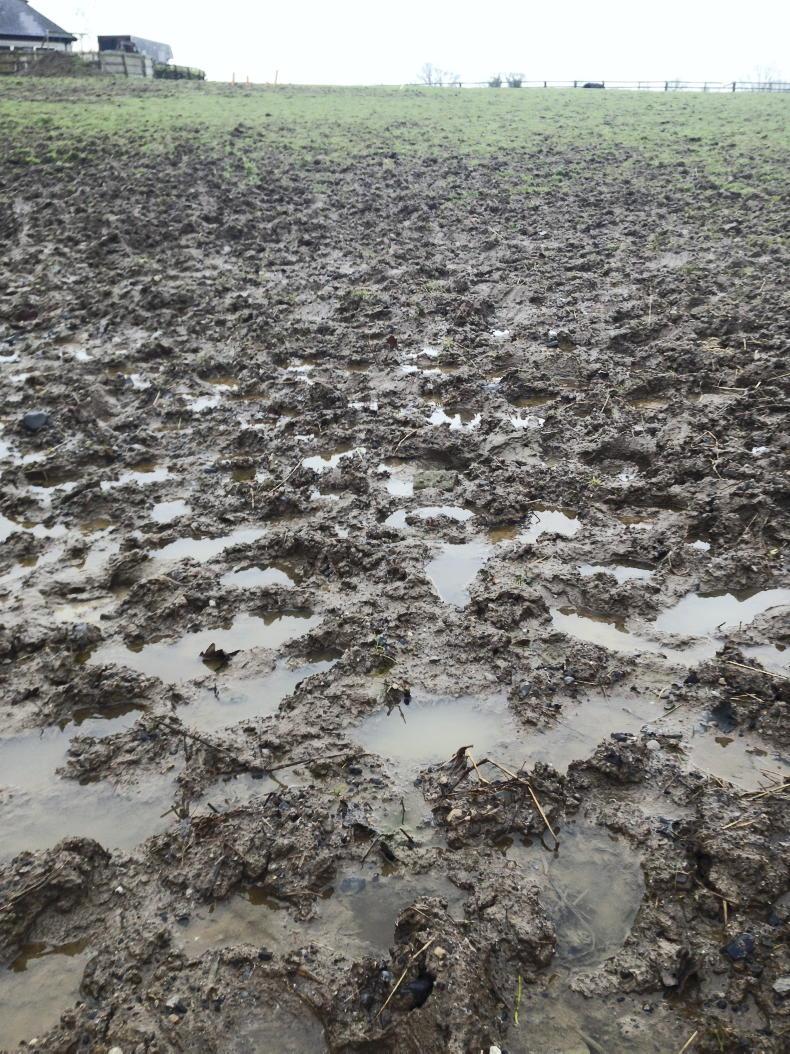
WE all know what horse-sick paddocks look like; patchy grazing, high worm burden, weeds, compaction from hooves and poor grass quality.
Ask yourself if it’s time to reset the sward and break the cycle. Here is a guide using a five-acre field example.
Step-by-step recovery plan for five acres
The cost should be around €25-€40 per sample. Take 1-2 samples across the five acres.You’re looking for pH around 6.3 to 6.5 (phosphorous (P) and potassium (K)). If you need advice on soil testing, Teagasc, the Irish Equine Centre or the Department can guide you.
Why does soil testing matter?
There’s no point in reseeding if the fertility is wrong, the grass will fail or under-perform.
Take the horses off the field completely. Top rough areas and harrow to break up dung and thatch. If it’s very bad, it might be an idea to consider tight grazing with sheep to clean it up.
A full reseed for the best result means plough, cultivate, sow and roll the paddocks.
You can direct drill, often cheaper and less disruptive, however, for badly horse-sick land, a full reseed is often worth it.
Use a horse-friendly mix, which usually includes perennial ryegrass (a moderate amount), timothy and fescue. Diverse swards are better, so it can be beneficial to include white clovers at a low level and herbs, such as plantain and chicory and meadow grass.
For five acres this should cost around €80-€110 per acre.
If the pH is low, which can be typical in Ireland, then lime is the way to go. You can also use starter fertiliser at sowing. This can cost around €80-€150 per acre depending on needs.
Keep the horses off for eight-12 weeks minimum after reseeding, and your first grazing should be tight, of a short duration and ideally, if you can, graze sheep or cattle first.
If the first rotation can be with sheep or cattle, followed by horses, this reduces worms and helps to prevent horse-sickness returning.
Example timeline
Spring reseed
March-April: Soil test and prep
April-May: Spray and reseed
June-July: Light grazing
Late summer: Back in full use
Or a late summer reseed (often better)
July: Spray
August: Reseed
Autumn: Establish
Spring:Ready for horses
Approximate costs for five acres (subject to variation, especially with fuel crisis and contracting) are around €2,250 to €3,000 (and can be more) for five acres.
A typical €450-€600 per acre reseed is made up roughly like this:
Ploughing / discing / power harrow: €120-€200
Sowing + rolling: €50-€100
Spraying (contractor): €20-€40
Total contractor cost/acre: ~€200-€300/acre
Horse mix: €80-€160/acre
Fertiliser at sowing: €60-€120
Lime (if needed): €30-€80
Glyphosate/weed control: €20-€40
This is a major reason costs have risen:
- diesel prices
- maintenance
Many contractors have had to increase prices to stay viable.
Why does reseeding feel so expensive?
Modern reseeding equipment (power harrows, drills, tractors):
Reseeding isn’t like fertiliser, because you disturb the soil, take land out of use, rely on weather.
Yes, if you change the approach:
Can save €100-€200/acre and works if ground isn’t completely gone.
If you have access to machinery, you can spray or reseed yourself at €50-€100/acre
Do two or three acres at a time and spread the cost over two or three years.
This is the big one, because sheep or cattle reduce need to reseed frequently.
The bottom line
Reseeding feels expensive upfront, but a good reseed can last eight to 10 years if managed well.
So, for example, €500/acre ÷ 10 years = €50/year, which feels much less painful when we look at the overall costs.
What are the organic or no-spray options?
“Clean-out” grazing
Before doing anything mechanical, remove your horses, bring in sheep or cattle and graze the land very tightly down to around 3-4cm. This reduces roughs and old grass, weakens weeds naturally and starts to break the parasite cycle. This step is crucial to an organic system.
Option A: A full reseed by ploughing, power harrowing to fine seedbed, and sowing new grass seed.
Option B: A shallow cultivation, where you disc or scarify aggressively, break up surface and old grass, overseed immediately. This works best if the field isn’t completely gone and the weed burden is only moderate.
Plant multi-species, horse-friendly grass seed
Organic systems benefit hugely from diverse swards and can include timothy, meadow fescue, red fescue, smooth-stalked meadow grass, a low level of white clover and optional herbs, such as plantain and chicory. The benefits of mixes such as these means it competes with weeds naturally, improves soil structure and has a better mineral profile for horses. It costs a little more (around €100-€160 per acre, but is well worth it).
Lime and fertility
Without chemical inputs, soil health is everything. You can lime to correct pH and you can use farmyard manure, slurry or approved organic fertilisers; these promote grass growth and help outcompete weeds.
Establishment period (be patient)
Leave the paddock for 10 to 12 weeks minimum, then lightly graze, ideally sheep first. Horses go back last.
The real key to long-term management and organic success depends more on what you do after reseeding. Mixed grazing is essential and should go: horses, sheep/cattle, rest. It’s vital to avoid overgrazing. Never let horses graze too tight repeatedly, and rotate paddocks. Regular topping is also helpful in controlling the weeds. Holistic or mob grazing is interesting to look at and involves moving herds, sometimes daily (see page76).
The bottom line for organically fixing horse-sick land is mechanical reset, grazing management and soil health. It may take slightly longer, but it often results in a more resilient, lower-maintenance field.

SHARING OPTIONS: