

 This is a subscriber-only article
 It looks like you're browsing in private mode



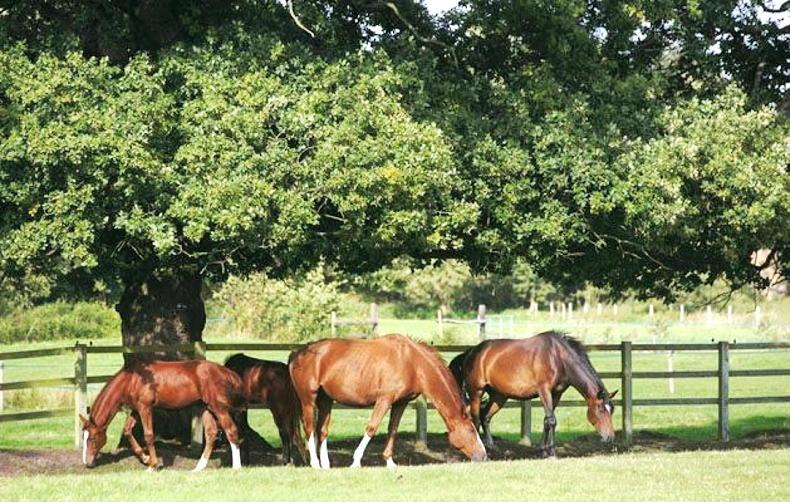
OUR horse pastures are beginning their slow, seasonal transformation. But amid the beauty of crisp leaves and conker hunts lies a hidden danger that’s both familiar and frequently overlooked: acorns and sycamore seeds. These seemingly innocuous signs of the season can pose serious - and sometimes fatal - risks to horses. And as horse owners, we must remain vigilant.
Every year, cases emerge across Ireland involving horses that have ingested acorns or sycamore seeds, often with devastating consequences. While not every horse will be affected, individual sensitivity varies, and ingestion can lead to severe illness or death.
Oak poisoning
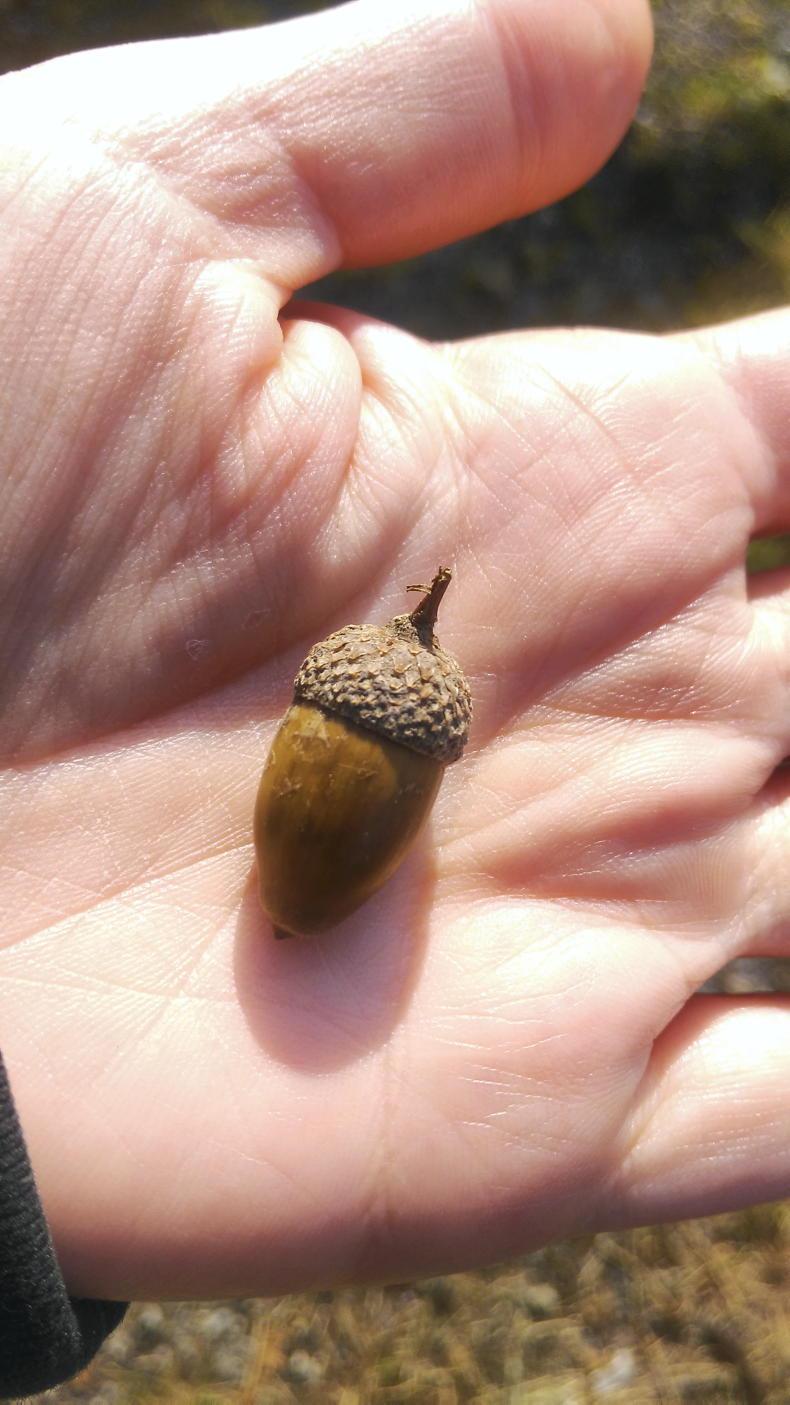
Let’s begin with acorns, the fruit of the oak tree. They might be the stuff of childhood nature tables, but for horses, they can be toxic. Acorns, along with oak leaves and bark, contain tannins and gallotoxins, which, when consumed in significant quantities, can cause oak poisoning. This can result in colic, diarrhoea, dehydration, kidney damage and, in extreme cases, death.
Although some horses seem to eat acorns without apparent ill-effects, others can react badly even after limited exposure. Young acorns are particularly rich in tannins, and the danger increases after storms, which cause branches and nuts to fall in large numbers into paddocks. Horses may be drawn to the bitter nuts out of boredom, curiosity, or lack of forage, particularly when pasture is poor in autumn.
Sycamore trees
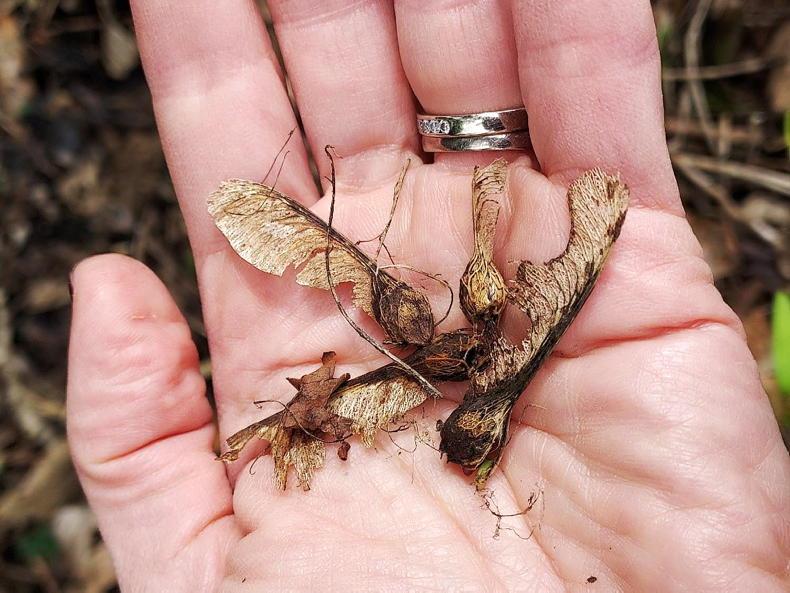
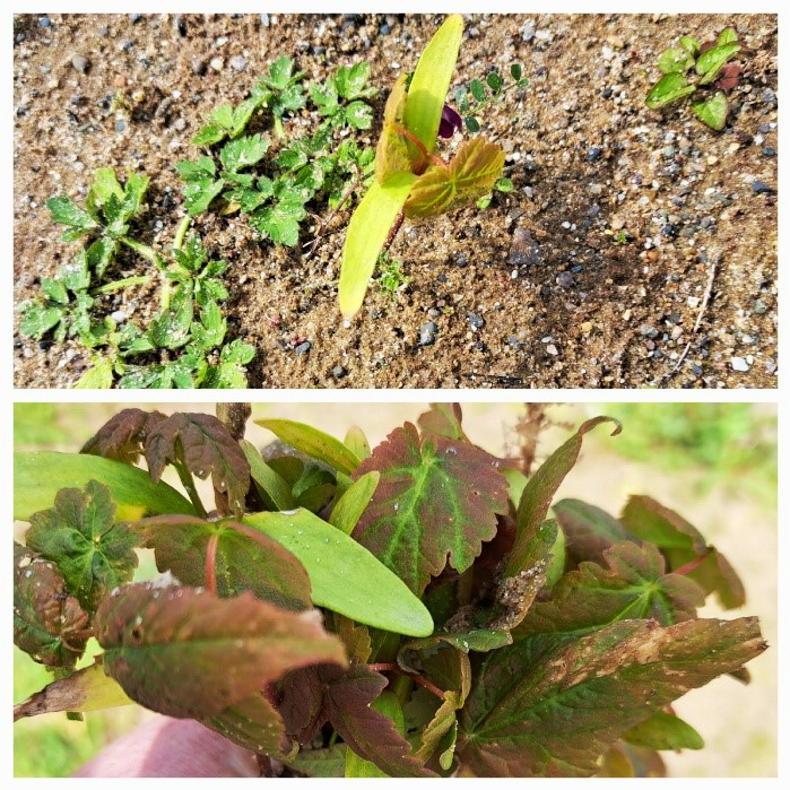
Even more of a concern is the threat posed by sycamore trees, specifically their seeds (helicopters), leaves and seedlings. The danger here comes in the form of hypoglycin A, a toxin responsible for Atypical Myopathy (AM), a frequently fatal disease in horses.
Cases of Atypical Myopathy have been steadily rising in Ireland, with the disease now firmly on the radar of veterinary practitioners, the Irish Equine Centre and horse owners alike. Horses with AM often collapse suddenly, develop muscle tremors, stiffness, dark urine, and struggle to stand. It is a rapid-onset, muscle-wasting disease that requires immediate veterinary intervention and, sadly, mortality rates remain high.
It’s worth noting that the sycamore isn’t an invasive villain - it’s native to Ireland and common in many horse environments. Seeds can travel on the wind or via watercourses, meaning a tree that isn’t even in your field can pose a risk to grazing horses.
So, what can be done?
We love our native trees, and rightly so - they’re part of the very fabric of Irish rural life. But as horse owners, we must strike a balance between preserving nature and protecting our animals. The changing seasons bring many joys, but also responsibilities. From those little oaks (and sycamores), mighty problems can indeed grow.
Let’s not be caught unawares by the quiet danger rustling in the hedgerows.

SHARING OPTIONS: