

 This is a subscriber-only article
 It looks like you're browsing in private mode



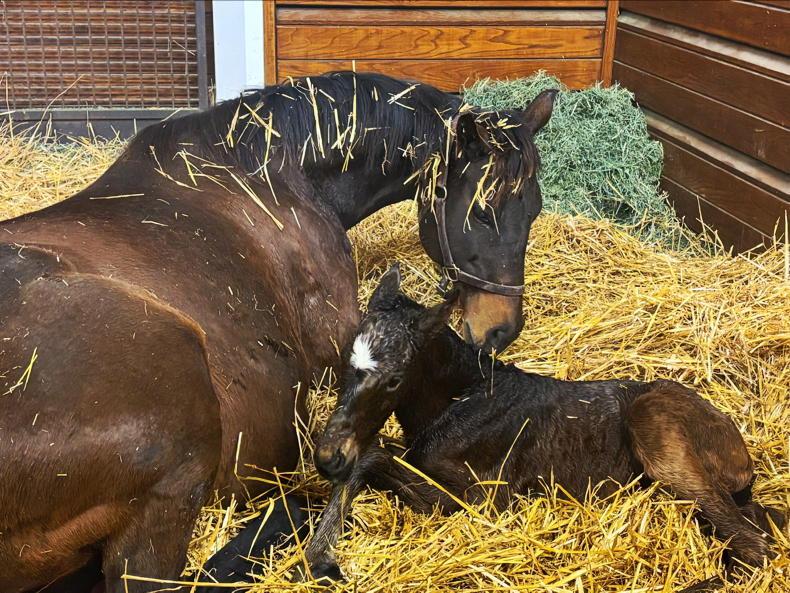
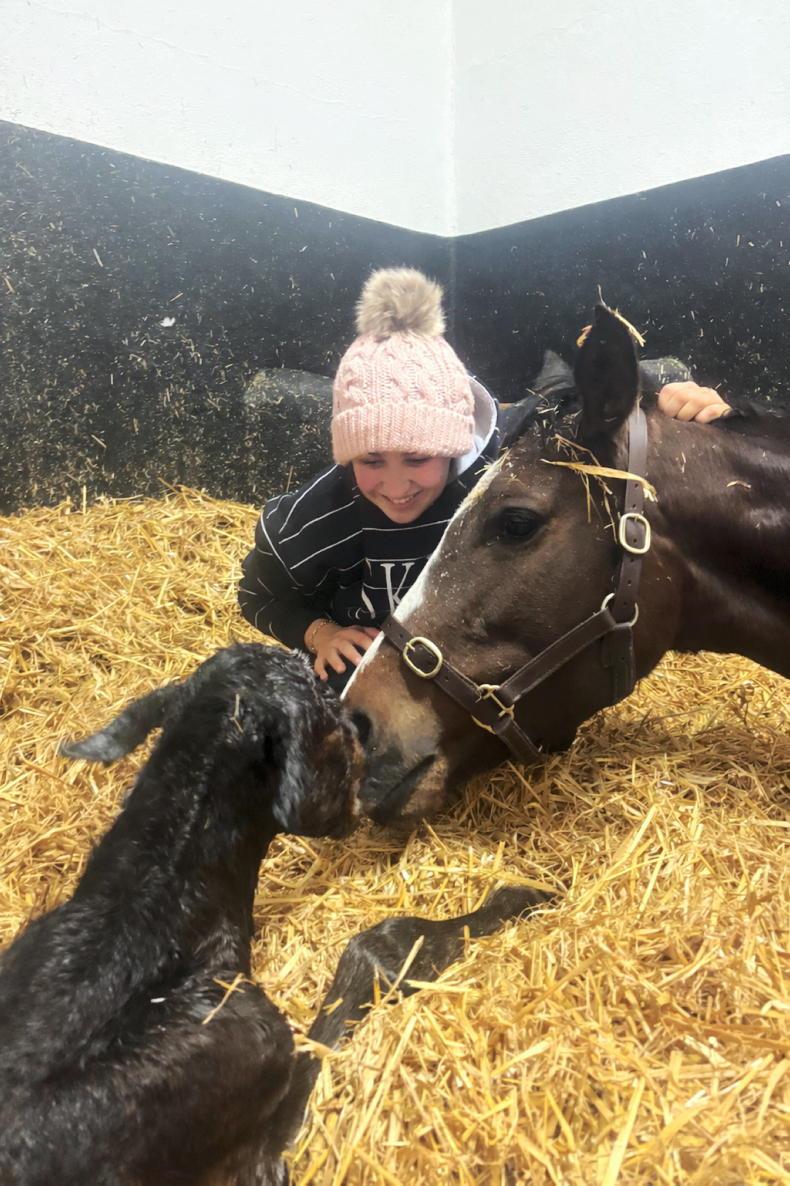
AFTER months of waiting, seeing a foal stand, nurse, and bond with its mare, feels like everything is going right.
In those first few hours of life, there is one small detail that deserves very close attention - the foal’s navel. Good navel care may not seem extraordinary, but it plays a huge role in keeping a foal healthy. Poor navel care can allow infection to enter the body and lead to serious illness. The good news is that, with a little knowledge and simple management, most navel-related problems can be easily prevented.
What is the foal’s navel?
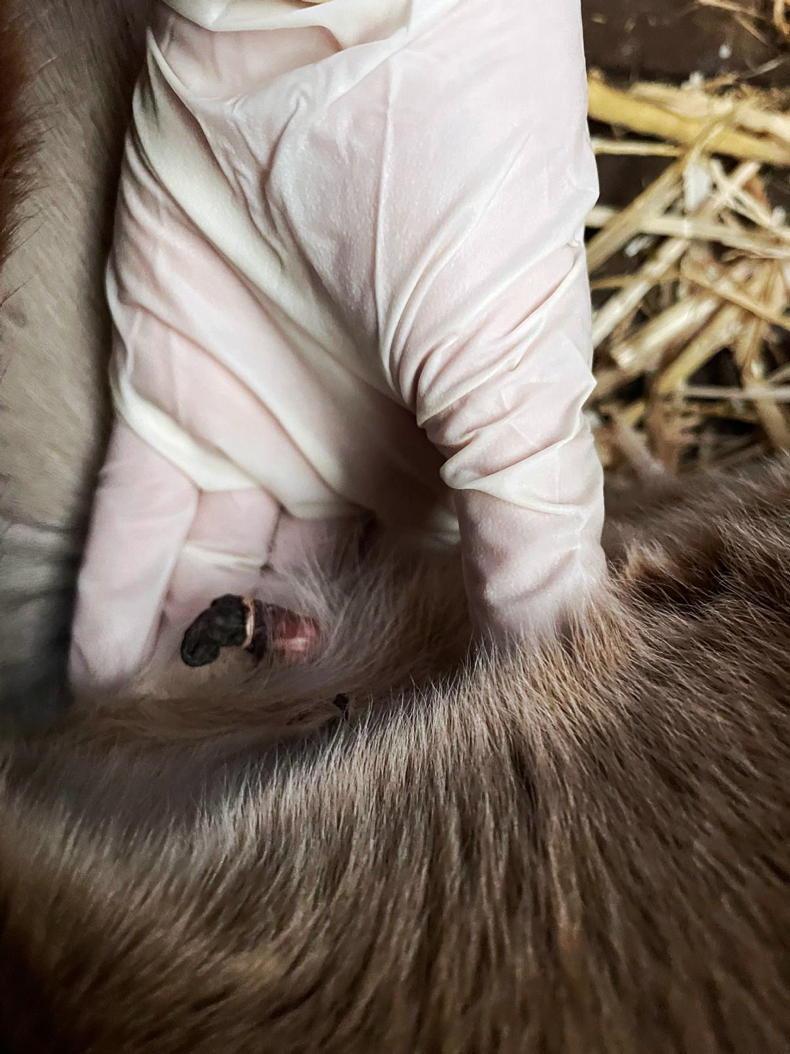
Before birth, the umbilical cord connects the foal to the mare, supplying oxygen and nutrients. When the foal is born, this cord breaks, leaving a short stump on the foal’s belly called the navel.
Although it looks small and insignificant perhaps, the navel is an open pathway into the foal’s body. Inside, the umbilical structures connect directly to major organs. Until the navel dries and closes completely, bacteria from the environment can travel inside and cause infection.
Newborn foals are born without immunity, relying heavily on antibodies from their mother’s first milk, called colostrum. Until those antibodies are absorbed, foals are especially vulnerable to infection - making the navel a critical weak point.
Why navel care matters
Infections that start at the navel beginning on the outside can quickly spread inside the body. Once bacteria enter the bloodstream, they can travel to joints, lungs, the liver or other organs.
What makes navel infections especially dangerous is that early signs can be easy to miss. A foal may appear normal, active and nursing well, while an infection is developing internally. By the time obvious symptoms appear, treatment can be more difficult, expensive, and stressful for both foal and owner.
Common risk factors
Several everyday situations can increase the risk of navel infection.
Dirty foaling areas: Foals born in muddy paddocks, unhygienic stables, or unclean bedding can be exposed to bacteria immediately after birth.
Poor colostrum intake: If a foal does not nurse enough colostrum within the first few hours, its ability to fight infection is greatly reduced.
No (or improper) navel disinfection: Skipping navel care, using the wrong solution, or applying it incorrectly allows bacteria to settle in the navel stump.
Weak or premature foals: Foals born early, small, or after a difficult delivery may have less ability to fight infection.
Cutting or pulling the umbilical cord: The cord should be allowed to break naturally. Cutting it can cause bleeding and increase the risk of infection.
How to care for a foal’s navel
Navel care is quick, inexpensive, and easy to do correctly.
A diluted chlorhexidine solution is commonly recommended by veterinarians, because it is effective and gentle on the tissues of surrounding the navel.
MIXING GUIDE
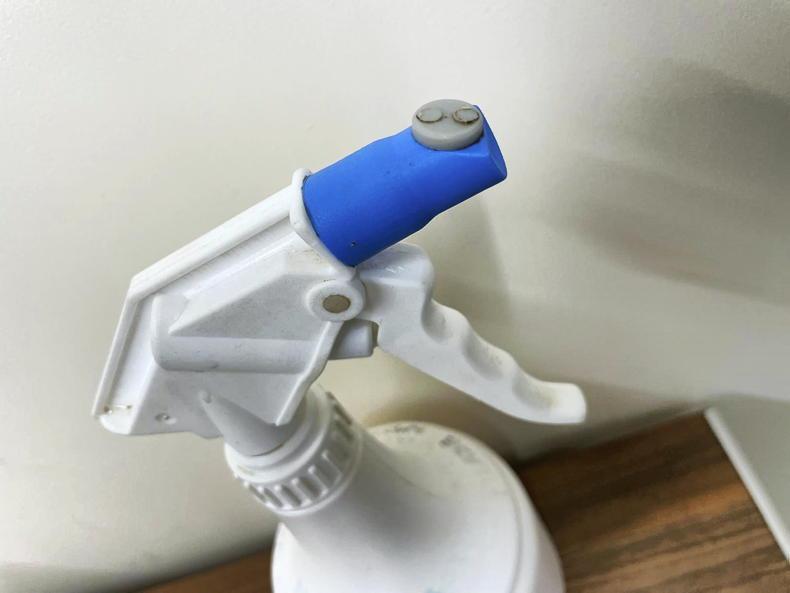
Use a one-litre jug, transfer to a spray bottle with a tight range of spray.
If using 4% chlorohexidine
100ml 4% chlorohexidine, 150ml water, 750ml surgical spirit
If using 2% chlorohexidine
250ml 2% chlorohexidine, 125ml water, 625ml surgical spirit
Let the cord break on its own
In most cases, the umbilical cord will break naturally as the mare or foal moves. This natural break helps seal the blood vessels.
Disinfect the navel promptly
Always wear clean gloves when treating the foal’s umbilicus/navel. Apply as soon as possible after birth, as soon as the umbilical cord breaks.
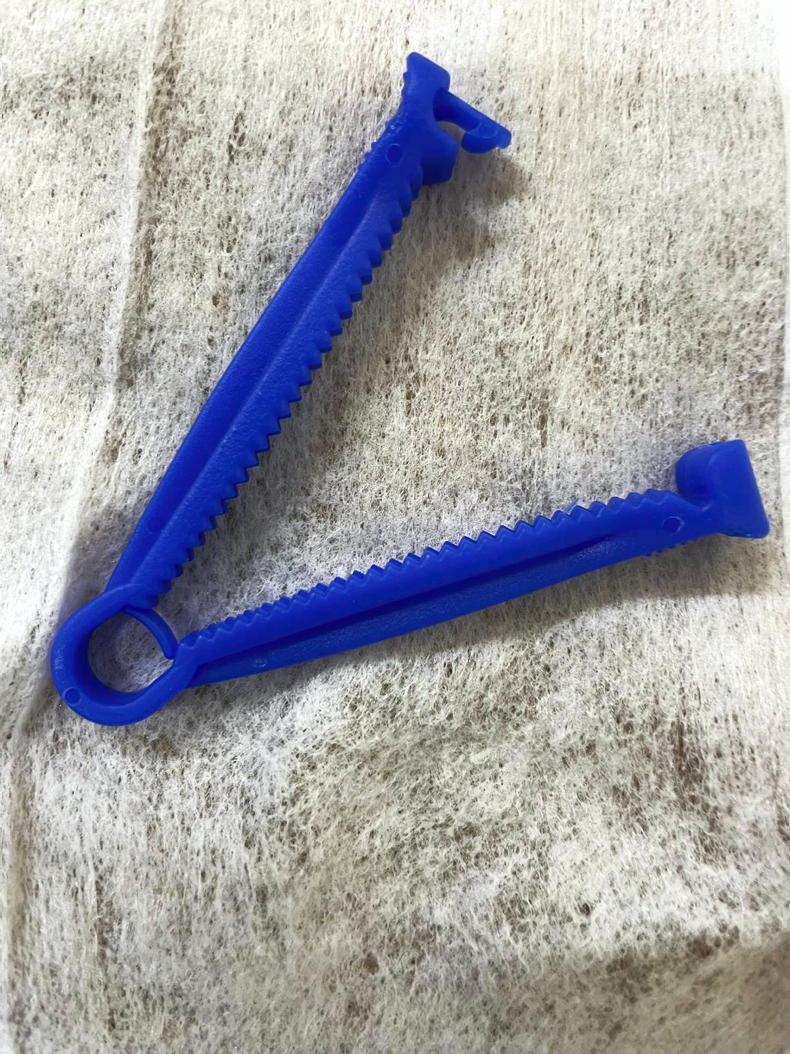
If the navel is bleeding after the cord breaks, quickly clamp the navel at the base of the abdomen, applying enough pressure to stop the bleeding within a few minutes. Once the bleeding stops, spray the navel again thoroughly.
Spray the navel again 20-30 minutes after foaling time, and again two to three hours after the foaling time (once the foal is up and nursing). An additional treatment during the first night (or day) can be applied as needed.
Additional treatments
Treat the navel twice daily, morning and evening, and continue for at least three days after foaling and until the navel is dry and hardened.
If the navel remains wet, or soft, or raw at five days after foaling, veterinarian examination is necessary.
Keep things clean and dry
Clean bedding and dry footing go a long way in protecting the navel while it heals.
What a healthy navel looks like
Checking the navel daily during the first week of life is important.
A healthy navel should dry out and shrink over time, feel cool to the touch, and have no swelling or discharge.
Warning signs include moisture or fluid dripping from the navel; heat, swelling, or thickening; a bad odour or discharge; pain when touched. A foal that seems dull, stops nursing, or develops a fever is also a red flag. If any of these signs appear, a veterinarian should be contacted immediately.
What can happen with poor navel care
If a naval infection is not identified early, the results can be serious.
Prevention is best
Most navel infections are preventable with basic management. Clean foaling areas, good colostrum intake, proper disinfection, and close observation make a huge difference.
It is easy to focus on the big milestones: standing, nursing, and running alongside the mare. But also paying attention to something as small as the navel can protect a foal from serious illness and give it the best possible start in life.
Good navel care takes only minutes, costs very little, and can truly save a life. It is one of the most important steps in caring for a newborn foal alongside colostrum intake.
Teagasc - the Agriculture and Food Development Authority - is the national body providing integrated research, advisory and training services to the agriculture and food industry and rural communities.
Web: teagasc.ie





SHARING OPTIONS: