

 This is a subscriber-only article
 It looks like you're browsing in private mode



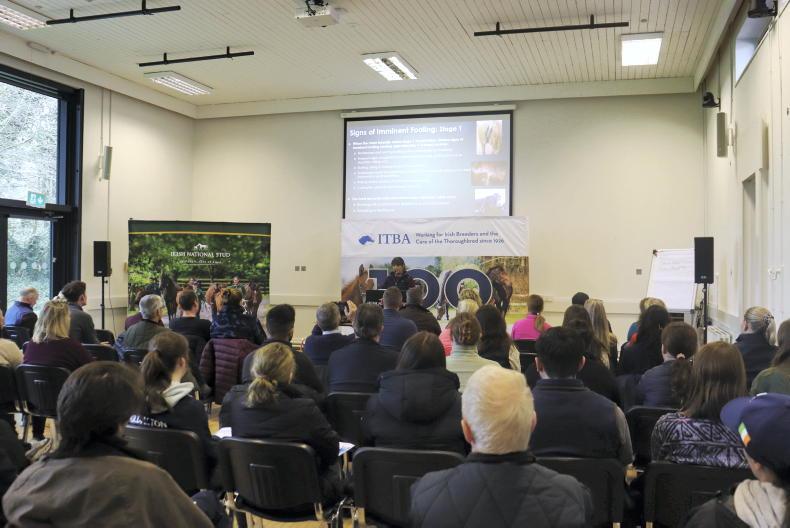
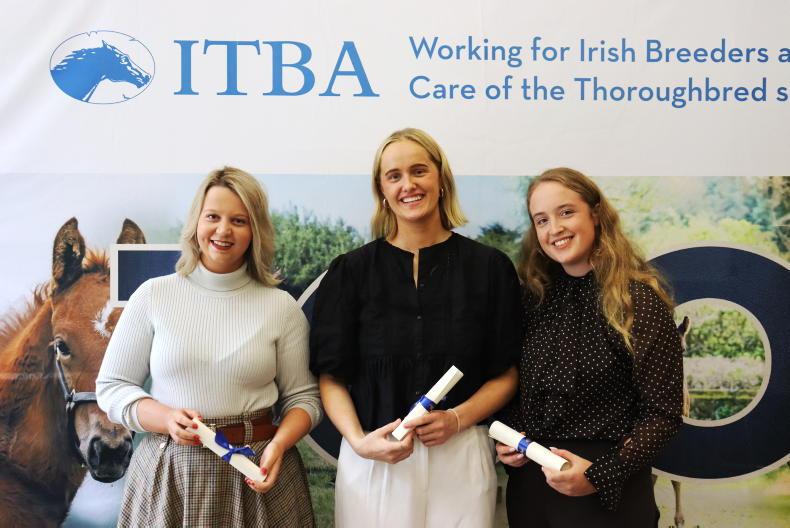
THE Irish Thoroughbred Breeders’ Association kicked off the 2026 Education Programme with the popular Breeding Preparation Workshop, covering all things foaling and helping breeders prepare for the upcoming season.
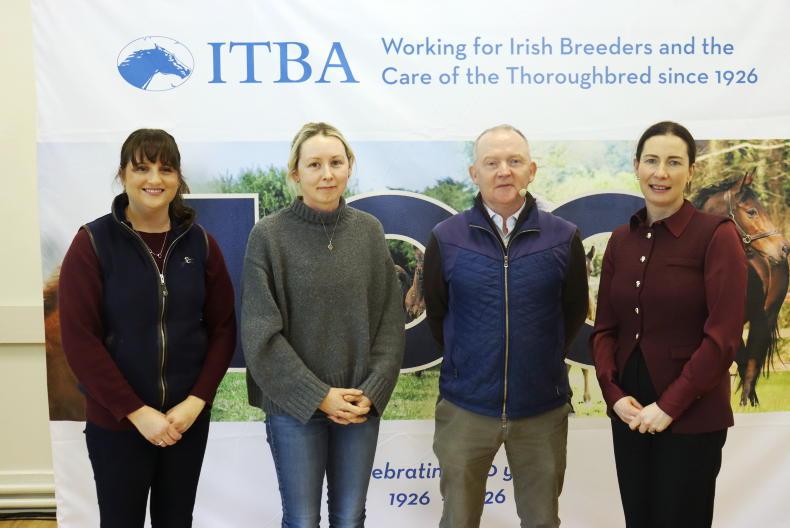
Over 70 were in attendance for the event hosted at the Irish National Stud, with a panel of Helena Burns (Anglesely Lodge Equine Hospital), Alan Creighton (Irish Equine Centre), Lauren Eisemann (Foaling attendant) and Joanne Hurley (Gain Equine Nutrition).
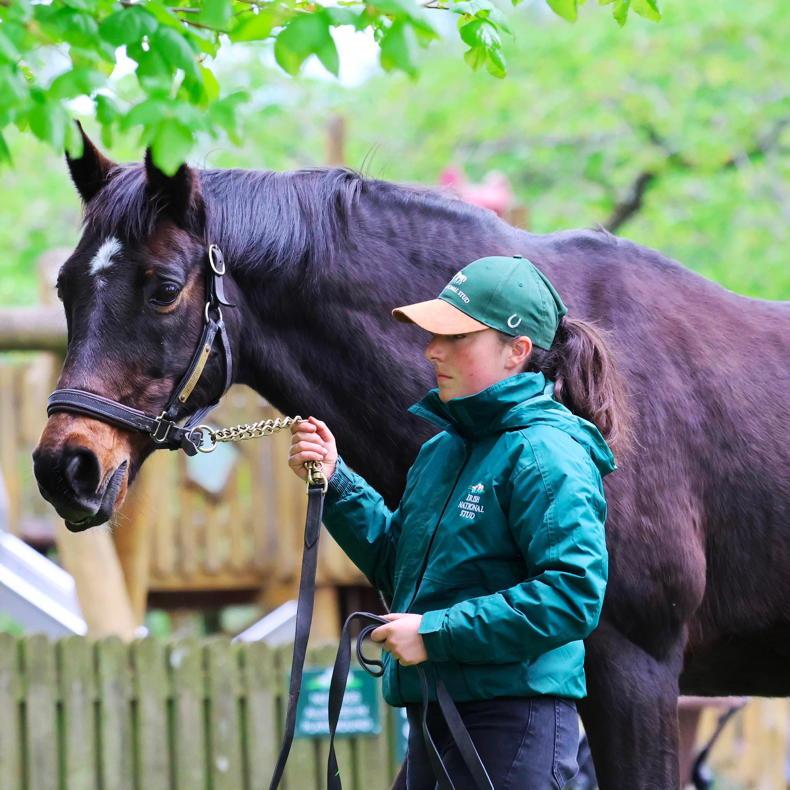
The event also included a practical element with a farm walk through the foaling unit, stocks, nursery paddocks and inspection of a placenta.
Preparation for foaling
Lauren Eisemann opened the workshop, delivering a clear and practical overview of the preparation for foaling. She outlined the signs leading up to foaling including bagging up, waxing, sweating, pacing and behavioural changes.
Lauren also emphasised the importance of having a well-stocked foaling kit including palpation sleeves, tail bandages, enemas, navel antiseptic, lubrication, surgical scissors, foaling ropes, refractometer and twine.
She demonstrated how to prepare a suitable navel antiseptic spray (eg: one-litre spray consisting of 100ml 4% chlrohexidine, 150ml water, 750ml surgical spirits) and walked attendees through normal foaling presentations, the foaling procedure, as well as managing dystocia and red bag foalings.
Working with your vet and managing complications
Helena Burns discussed the veterinary perspective on foaling management. She mentioned making sure your mare is in good body condition to foal, and is up to date with all dental, farrier, vaccination and worming care.
Helena outlined common issues in late pregnancy, such as premature lactation, lameness, colic, fever or excessive abdominal enlargement, and highlighted the need for extra vigilance with mares who have previous history of problematic foalings.
Dystocia or difficult births should be considered an emergency as time is of the essence to maximise foal survival and minimise damage to the mare reproductive tract. Your vet should be called as soon as possible.
Following the foaling, you should monitor the mare for any further complications including haemorrhage, colic or caecal rupture, uterine horn inversion, uterine tears, or bladder rupture.
Nutrition for mares and foals
Joanne Hurley provided a comprehensive overview of nutritional needs for mares and foals. Feeding the foal begins when the mare is in gestation, with three main phases, including early pregnancy, late pregnancy and lactation.
Joanne also discussed the role of nutrition in developmental orthopaedic disorders and stressed that nutrition should always be monitored closely when foals are growing.
Hygiene and biosecurity
Alan Creighton discussed the importance of maintaining high hygiene and biosecurity during foaling. He highlighted the risks posed by pathogens in air, soil, feed, bedding and water and stressed that it is often the simple things can make the biggest difference.
Key points included:
Alan also encouraged testing your yard ahead of the foaling season as prevention is always cheaper than the cure.

SHARING OPTIONS: