


 This is a subscriber-only article
 It looks like you're browsing in private mode



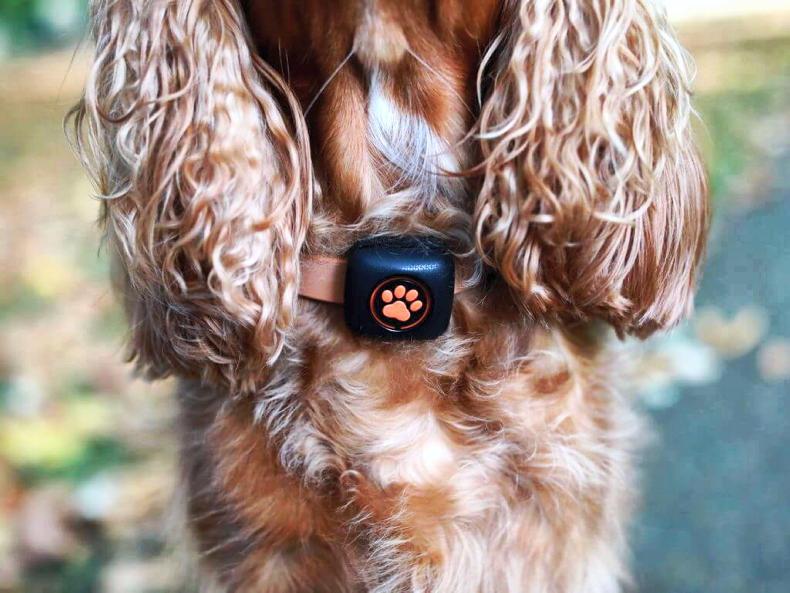
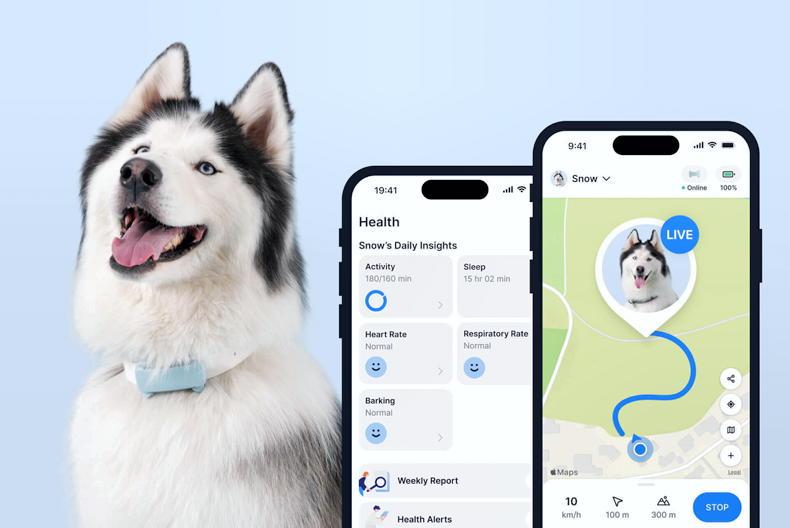
FOR generations, Irish dog owners judged their animal’s health the old-fashioned way: a bright eye, a wagging tail and a good appetite were usually enough reassurance that all was well. Today, however, a growing number of owners are turning to technology to monitor their dogs with the same intensity once reserved for human fitness trackers.
Smart collars and wearable canine devices, such as PitPat and Tractive, are among the fastest-growing sectors in pet technology. Products that began as simple GPS trackers for adventurous dogs, now monitor sleep quality, heart rate, calorie expenditure, scratching patterns and even stress indicators. Some systems claim they can identify signs of illness before owners notice symptoms themselves.
In Ireland, where dog ownership surged during and after the pandemic, interest in canine wellness technology has grown alongside rising veterinary costs and a greater focus on preventative healthcare. Rural owners, particularly those with working dogs, are beginning to explore how wearable devices might help monitor activity levels, injury recovery and heat stress during busy periods. For owners of high-performance dogs, from agility competitors to sheepdogs and gundogs, the appeal is obvious. Data-driven monitoring may help identify subtle lameness, fatigue or overtraining before more serious injuries develop. Some veterinary physiotherapists are already integrating wearable data into rehabilitation programmes.
Yet the trend also raises wider questions about the changing relationship between people and their pets. Dogs are increasingly being treated like fully quantified family members, with apps producing daily reports on sleep efficiency, exercise targets and behavioural changes. Some devices even send alerts if a dog scratches excessively or shows signs of anxiety when left alone.
Technology risks
Critics argue that the technology risks encouraging anxious ‘helicopter ownership’, where normal canine behaviour becomes over-analysed. Others question whether constant monitoring truly improves welfare or simply feeds the growing commercialisation of pet care.
Privacy concerns are also emerging. Wearable devices collect vast amounts of behavioural and location data, often stored by private companies. While owners may willingly share this information in exchange for health insights, few are considering how such data might eventually be used commercially.
Still, many vets believe the technology has genuine potential. Earlier detection of illness, more accurate exercise management and improved chronic condition monitoring could significantly benefit canine welfare.
As Ireland’s pet industry continues to modernise, the humble dog collar may soon become as technologically sophisticated as the smartwatch on its owner’s wrist.

SHARING OPTIONS: