

 This is a subscriber-only article
 It looks like you're browsing in private mode



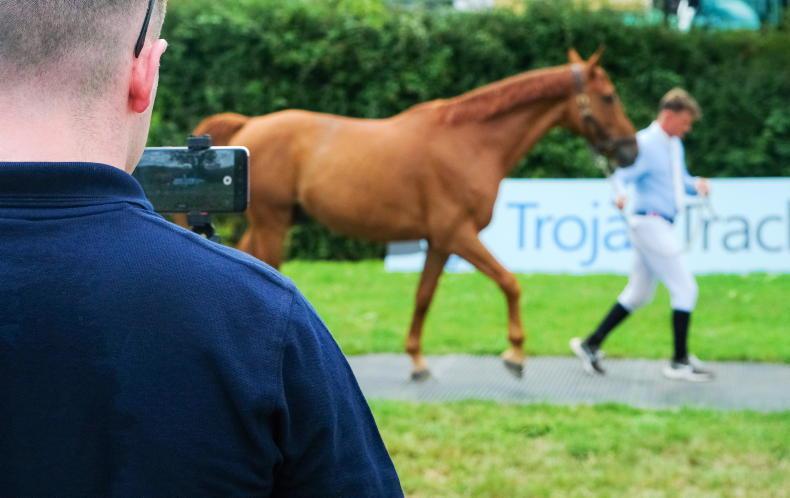
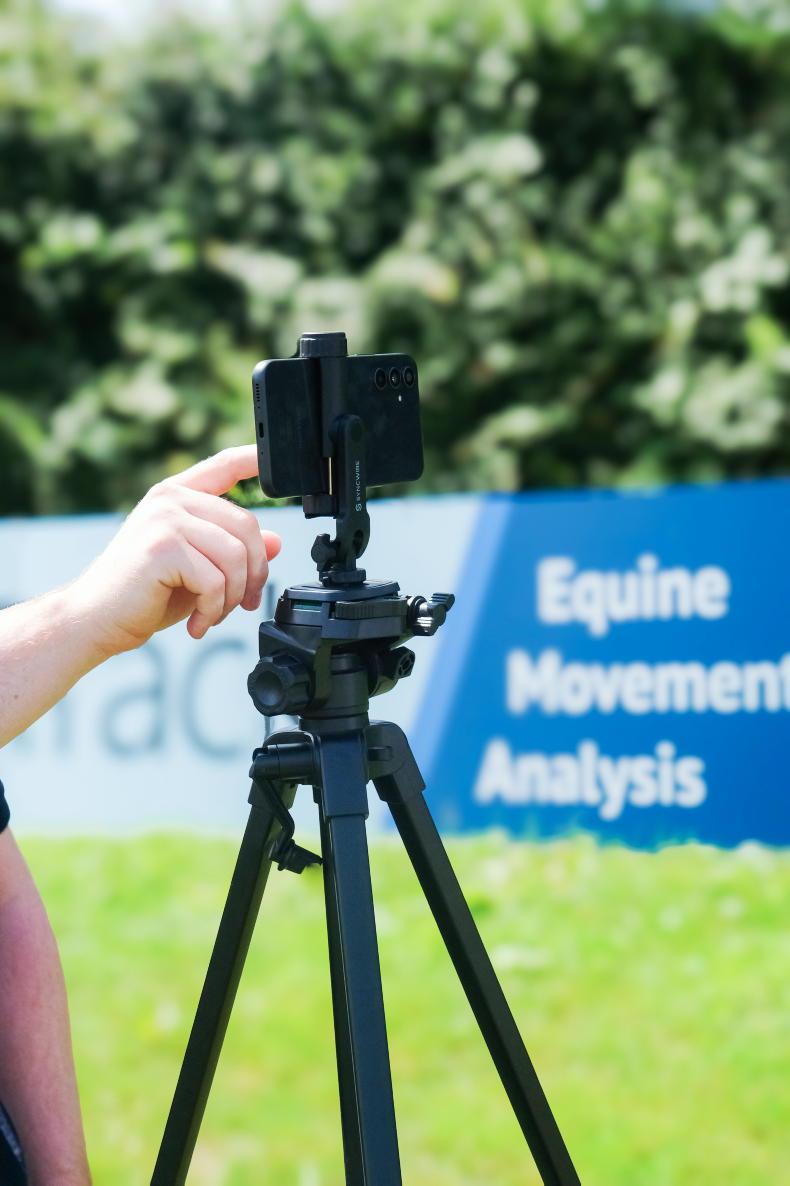
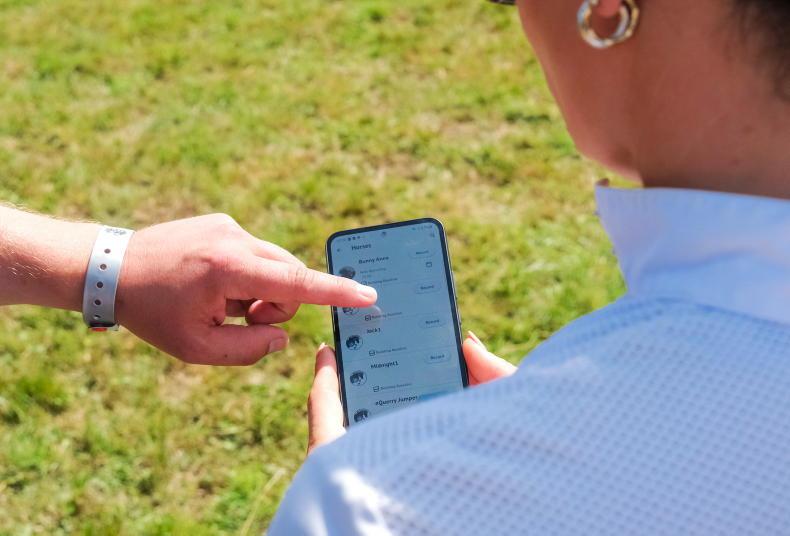
THE future of equestrian sport will not be defined solely by breeding, training, or competition results, but by how effectively we integrate technology into daily horse care. As data-driven insight becomes fundamental to welfare monitoring, technology is no longer a luxury or an afterthought. It is fast becoming a moral and practical necessity in the management of sport horses.
For too long, equestrianism has relied on instinct and observation alone. Horsemanship will always remain at the heart of good care, but the demands of modern sport, from travel and training intensity to scrutiny around welfare, mean that traditional methods must now be supported by objective data. Just as GPS tracking and biometric monitoring transformed human athletics, technology is redefining how we understand, protect, and enhance equine wellbeing.
From observation to precision
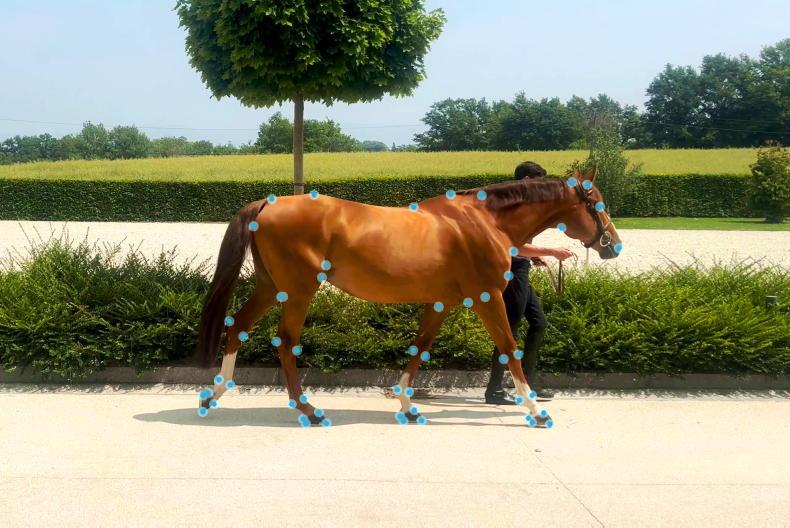
Every horse person knows that the smallest change can mean everything; a fractionally shorter stride, a shift in muscle tone, or a slight reluctance to move forward. Yet our ability to see those nuances has limits, and this is where technology offers the precision that welfare requires. Artificial intelligence and motion-tracking tools can analyse movement frame by frame, identifying subtle asymmetries invisible to the naked eye.
Where once these kinds of insights were confined to elite research facilities or high-performance sports labs, they are now within reach for the everyday equestrian. Advances in computer vision, biomechanics, and mobile processing power mean that real-time movement analysis can happen in the stable yard, not just the clinic. A simple walk in hand, a few seconds of video, or a single scan from a wearable sensor can reveal the sort of data that used to take hours of manual observation.
The result is a new standard of accuracy in understanding how our horses move, recover, and adapt. This isn’t about taking away the art of horsemanship, but enriching it with information that validates what experienced eyes already sense. By combining instinct with precision, technology enables us to act earlier, train smarter, and care better. It is the meeting point between empathy and evidence, and it is here that the next great leap in equine welfare will occur.
Welfare in the age of accountability
Equestrian sport is facing unprecedented scrutiny, and rightly so. Welfare cannot rely on perception; it must be measurable, and data gives transparency to care. Whether monitoring recovery after travel, tracking performance across a season, or ensuring that a horse in rehabilitation is progressing safely, technology provides an auditable record of a horse’s wellbeing.
In professional yards, wearable sensors and AI analysis are already enabling trainers to balance workload with recovery in ways that were previously guesswork or limited to those with years of experience. This shift towards evidence-based management will define the next era of sport horse care. In the same way that veterinary science revolutionised equine health in the 20th century, technology will do so in the 21st.
It provides the visibility, traceability, and accountability that our industry needs to maintain its social licence to operate.
Integrating innovation into everyday routines
The most effective technology is that which disappears into the routine. From a quick video before turnout, to a look-over when walking to the arena: Modern tools are designed to fit within the rhythm of stable life, not disrupt it. And a report will help summarise progress in training, establish baselines, and aid in recovery and even rehab.
That simplicity is what makes solutions like TrojanTrack powerful. By bridging the gap between advanced analytics and practical horsemanship, it demonstrates that meaningful data collection need not be complicated or time-consuming. Riders can simply capture a short smartphone video of their horse walking and, within moments, receive insights on movement-specific vitals. It is an example of how high-level technology can become an unobtrusive but integral part of everyday care, quietly enhancing welfare, improving communication between riders, owners, and vets, and transforming the way decisions are made in stables around the world.
It transforms everyday management into a form of continuous care, where each observation is supported by evidence and each decision informed by insight.
The data-driven future of horsemanship
Technology is not eroding traditional horsemanship, but refining it. It reinforces the principles of attentiveness, patience, and precision that great horsemen have always valued, while equipping them with tools fit for a new era. In this connected stable, wellbeing is no longer reactive but proactive.
The future of the sport depends on this integration, making wellbeing of horses in sport visible, measurable, and demonstrable. The ability to detect, interpret, and respond to data is now part of good horsemanship, ensuring that the horses entrusted to us receive the level of care modern sport demands.
The connected horse is not a concept for tomorrow; it is already here. And as the industry continues to evolve, those who embrace technology as an ally in welfare and performance will lead the way forward, setting new standards for excellence, and evidence-based care.

SHARING OPTIONS: