

 This is a subscriber-only article
 It looks like you're browsing in private mode



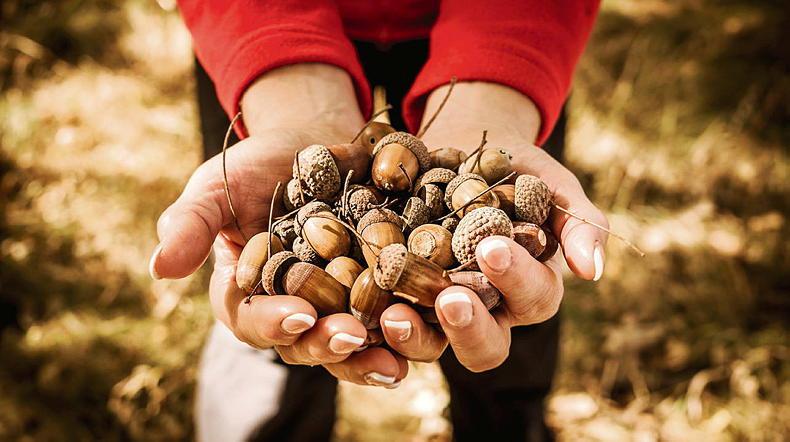
THERE’S a hush that settles over the fields this time of year. The hedgerows soften, the light grows golden, and the oak trees - ancient sentinels of the Irish landscape - begin to shed their harvest. It’s a sight that stirs the heart of every country soul. But amid this beauty lies a quiet hazard that too often slips beneath our radar: acorn poisoning. Here in the Horse Sense pages in autumn and spring, we mention Atypical Myopathy (Sycamore poisoning) and its possible fatal consequences but less often the threat of acorns.
My own fields almost all have oak trees in or around them and so far I’ve never had a problem because I’m careful and I always make sure there is plenty of forage available but horses are naturally inquisitive grazers. When grass is sparse or curiosity gets the better of them, a mouthful of fallen acorns can seem like fair game. Unfortunately, those little brown nuts carry tannins, mainly tannic and gallic acid, which can wreak havoc inside the equine system. These compounds damage the lining of the gut and, more seriously, the kidneys - the body’s vital filters.
Turn quickly
Veterinary advice tells me early signs are rarely dramatic: a dull coat, a horse not quite himself, perhaps a mild bout of colic or darker-than-usual droppings. But as the toxins take hold, things can turn quickly. Diarrhoea, dehydration, and signs of kidney stress follow - a dull, tucked-up horse, drinking but not passing much urine. Blood tests will often show elevated urea and creatinine levels, confirming the damage already done.
There’s no antidote to acorn poisoning, so swift veterinary care is essential. Treatment focuses on supporting the horse’s organs and flushing toxins from the system - intravenous fluids, activated charcoal, and gut protectants are standard. Even with the best care, recovery can be slow, and some horses are left with long-term kidney issues.
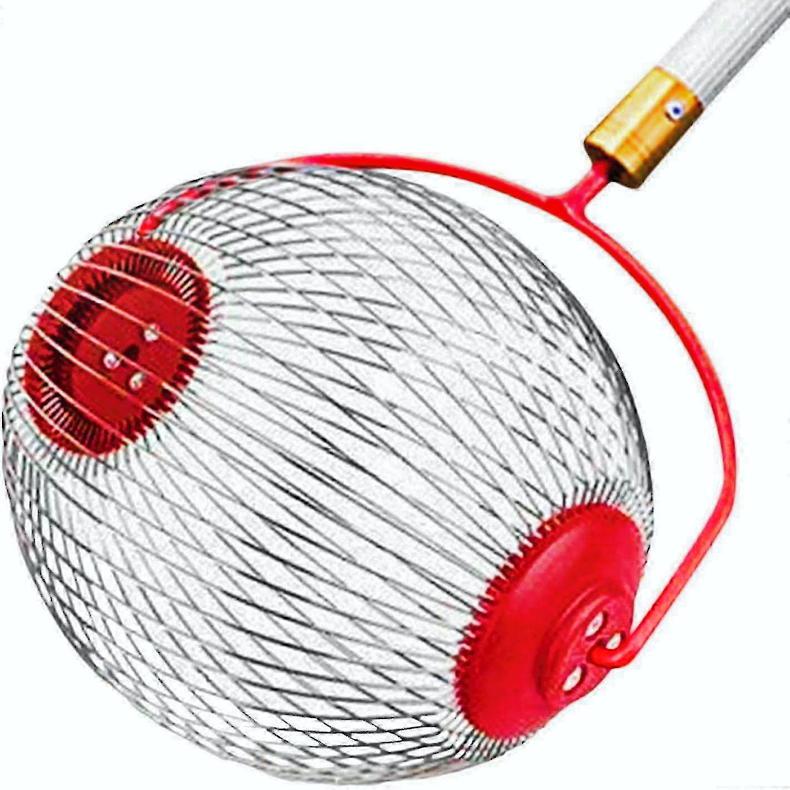
Prevention, as ever, is the safer route. Keep a tight eye on your horses, check them daily. Don’t ignore small changes in them, it’s always better to be safe than sorry. Fence off oak-heavy corners in the autumn months, or use strip grazing to limit access. Clearing fallen acorns where possible helps (there’s great devices for help picking them up available online) and providing plenty of good-quality forage keeps horses from seeking out risky snacks. A watchful eye and a good routine can save a world of trouble later.
The oak has long been a symbol of strength and endurance in Irish tradition. It’s part of who we are - a steadfast feature of our equestrian landscape and our folklore. But for our horses, its fruit is better admired than sampled. As the seasons turn and the acorns fall, take a quiet moment to enjoy the view - and then make sure your fences are in order and there’s plenty of forage for your equines to munch on.

SHARING OPTIONS: