

 This is a subscriber-only article
 It looks like you're browsing in private mode


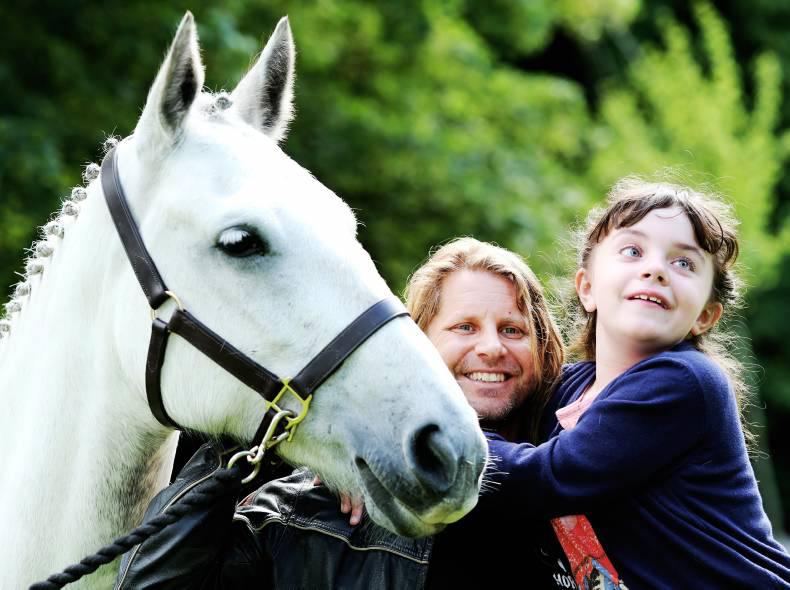
RIDING lessons for children with physical and mental disabilities are designed to stimulate cognitive, behavioural, social and physical development through the interaction with and the riding of horses.
These riding lessons are conducted in a select few riding schools in Ireland and are a source of exercise and enjoyment to children suffering from a range of disabilities including autism, attention deficit hyperactive disorder (ADHD), Down’s syndrome, paralysis and neuromuscular disorders.
One school offering such lessons is the AIRE-approved, family-run Oldtown Riding Stables, situated in north county Dublin, which has the perfect combination of elements to make riding lessons for disabled children a success.
This small-scale establishment with its great sense of community offers a personal, friendly, one-on-one experience to its clients. A relaxed environment, interested and caring instructors, an outstanding team of young volunteers and calm, sensitive horses all come together to help children with special needs reach their full potential.
Horses have long since been recognised as having a calming effect on children with disabilities and the horses used in therapeutic riding are chosen for their quiet natures and sweet temperaments.
TOLERANT
At Oldtown Riding Stables, the ponies and horses used in lessons recognise that their young riders require special attention and become more tolerant of erratic or noisy behaviour; gently encouraging the children to interact with them.
Before being selected for participation in the lessons, all of the horses and ponies undergo a period of initiation to ensure they posess the calm nature and qualities necessary to cope in the unique environment of the lessons.
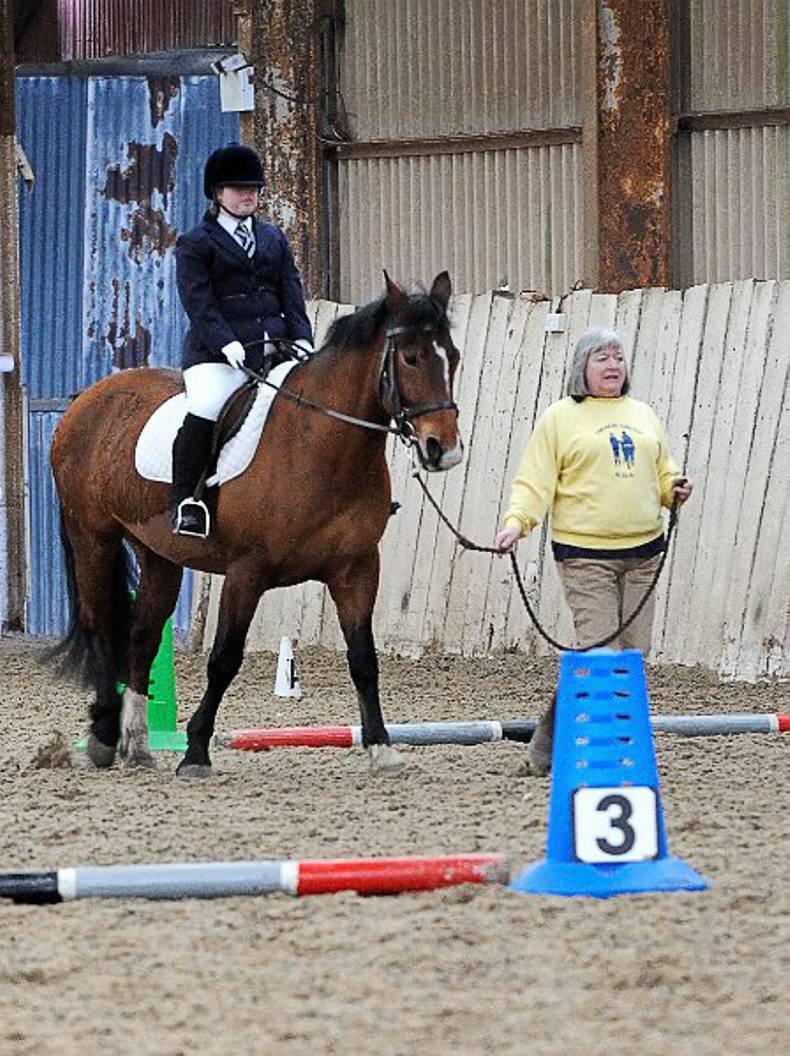
The setting and format of the lessons are designed to maximise children’s enjoyment and participation. Each instructor teaches a class of, on average, 10 children and each child has a team of young voluntary helpers to give one-on-one guidance. There can be up to three helpers with each child; one to lead and control the pony and two to offer additional time and aid to the rider.
The classes last approximately 30 minutes and are tailored to each group of children’s ability, with the riding level and activities becoming increasingly difficult as the child advances.
The lessons begin with children being encouraged to imitate the instructor while carrying out stretching exercises on a stationary pony. These stretches are designed to improve flexibility, balance and posture while also giving the child the opportunity to become acquainted with their pony.
In cases where the child is paralysed or otherwise physically impaired, these stretches are seen to be most beneficial. The warmth of the horse and the repetitive movement of their gait serve to relax and loosen muscles which, coupled with specific exercises, maximise the child’s physical benefit from the lesson.
The lesson then progresses on to the physical exercise component. The child must participate in activities as outlined by the instructor. These exercises include asking their pony to walk forward and then halt at intervals around the arena, change the rein when instructed, and rise and sit during rising trot.
IMPROVING SKILLS
The activities are not only designed with physical exercise in mind; they also improve the child’s dexterity, cognitive and decision-making skills.
An example of one such exercise is the regular spacing of obstacles (such as jumping blocks) along one side of the arena, where the child must correctly steer their pony to weave left or right around the obstacle.
Another is the creation of a simple maze constructed using poles lying flat on the ground through which the child must navigate and steer their pony through.
These activities have varying inputs from the rider’s team of helpers, as dictated by the child’s dependency on them. As the young rider progresses, the input of the helpers is lessoned, with the child being encouraged to become an independent rider.
At the end of some of these lessons, if the class has been particularly productive or is an advanced lesson, the children may be allowed a small treat such as a short hack along country lanes led by their team of helpers, or the playing of pony games. This is a stimulus for children to behave well in the class and participate in the activities.
There are many unquantifiable benefits to children who partake in these lessons, as parents at Oldtown Riding Stables relate. Two parents whose children are on the autistic spectrum and participate in weekly lessons have seen marked improvements in their children since they began attending Oldtown.
The physical exercise has a calming effect on the children. This in turn improves concentration, which is an important factor in autistic children, as noted by the father of one of the Oldtwn regulars.
But aside from the physical benefit, one mother pointed out that horse riding was an individual and unique activity to her son, something that was just for him.
“If his siblings went to [horse riding] lessons too, he wouldn’t enjoy it so much,” she explained.
The lessons also prove to be a talking point between these parents and their children, which is important for children who would not normally initiate and maintain a conversation.
Discussions about other forms of exercise again illustrate the benefits of horse-riding lessons, with parents stating their children have taken part in some gymnastics classes in the past.
One father noted: “Horse-riding doesn’t give them any escape route. In swimming or gymnastics they can go in any direction. In the lessons, they’re stuck on the horse.”
One unique aspect of Oldtown Riding Stables is the fantastic group of young helpers eager to form friendships with and help their charges. The general consensus is that young people are more accepting of children with a number of disabilities, whereas some of the older generation are “more set in their ways”.
FRIENDSHIP
In addition, the closeness in age of the helper to the child encourages communication and friendship-building. Also, there is the benefit of familiarity, with a specific team of helpers allocated to each rider every week. This is very important to autistic children, who benefit most from a constant and reliable routine.
“It’s great having the same helpers and instructor each week. If you or someone else were to take the lesson, she wouldn’t participate so well,” remarked the father of one participant.
Recreational riding lessons for special needs are an invaluable source of exercise, learning, and friendship for all parties involved. Small, local riding stables such as Oldtown Riding Stables should receive greater recognition from the wider community for these fantastic benefits, and hopefully encourage the participation of families of children with disabilities in riding lessons in the future.
FIND OUT MORE
The author is a third-year student on UCD’s Animal Science-Equine four-year degree programme. This is one of the Bachelor of Agricultural Science programmes offered by the School of Agriculture and Food Science. It focuses on the applied sciences that underpin animal and veterinary biosciences, with emphasis on the horse. Research programmes in equine genetics, reproduction, exercise physiology and chronobiology support teaching in this unique programme. A five-month work placement within the industry is an exciting component.

SHARING OPTIONS: