

 This is a subscriber-only article
 It looks like you're browsing in private mode



ADVERTISEMENT
How track surfaces affect horseracing results
Trainers and punters must understand differences in surfaces when making decisions. Every surface changes how horses move, how jockeys ride, and how races unfold. Knowing which runners suit each condition helps improve race analysis.
Some horses excel on natural grass, while others adapt better to fast, compacted dirt. Synthetic tracks offer something in between. They were introduced to reduce injury rates and bring consistency. Many racing teams use past performance data and detailed surface reports before entering their horses.
Surfaces also influence betting outcomes. Punters who follow surface trends often spot opportunities that others miss. Most professional tipsters mention surface suitability in their pre-race breakdowns. Several groups track results across conditions, including data from Ireland 1xbetting communities that analyse surface-to-horse matchups. This information can shape strategies for both betting and training.
Turf: traditional but variable
Turf is used in most classic races. The surface is soft, natural, and affected by weather. Wet turf becomes heavy and slows races. Dry turf is faster but requires careful footwork from the horse.
Trainers prefer turf for horses with balance and agility. Horses with a light step often perform better on this surface. Weather forecasts play a key role. Punters check whether the ground will be firm, good, or yielding.
Advantages of turf:
Fewer kickbacks than dirt
However, a horse that runs well on firm turf might struggle on soft one. This makes past performance on similar turf conditions essential.
Dirt: Speed and early pace
Dirt tracks offer higher speeds and more consistent surfaces in dry weather. The layout often favours horses with strong starts and stamina. Races can be won in the first few furlongs if a horse gets an early lead.
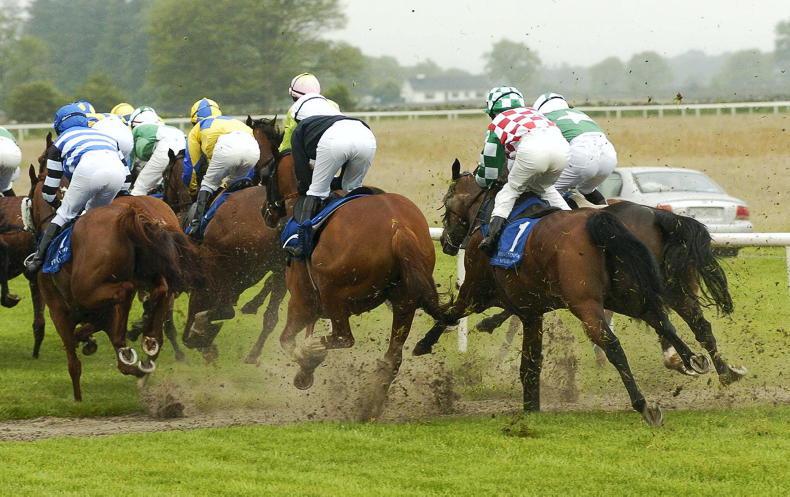
Dirt tracks also bring more kickback - dust and particles thrown at trailing horses. That affects jockey strategies. Horses that dislike dirt in their face tend to avoid inner rails.
Track bias is common. Some dirt tracks favour front runners or horses close to the rail. A study in the US found that rail runners won 38% of dirt races at certain tracks.
Trainers prepare horses differently for dirt. Muscle strength and burst speed matter more. Hooves also require attention, with many using protective wraps.
Synthetic: consistency and safety
Synthetic tracks were created to solve injury and drainage problems. They combine sand, rubber, and fibres with wax or polymer. This results in a surface that adapts to temperature but stays even.
These tracks gained popularity in countries that race during wet months. While not as fast as dirt or turf, they offer stability. Horses that move smoothly but lack explosive speed tend to do well.
One example of crossover success is seen in riders who compete across various sports. Events like the cycling season in Yorkshire show how surface adaptation matters in multiple disciplines. Trainers borrow these ideas, focusing on stride balance and surface transition.
Synthetic tracks also allow for lower injury risk. Reports from track medical teams show fewer muscle and tendon issues on these surfaces.
Yet, synthetic tracks demand adaptation. Some horses underperform if they are used to natural surfaces. Results improve once horses race multiple times on synthetics.
Training adjustments and jockey strategy
Every surface demands a different approach in training. On turf, focus is on balance and rhythm. On dirt, sprinting drills and power exercises dominate. Synthetic training often includes longer gallops with steady pace.
Jockeys also adapt:
Understanding the horse’s movement on different surfaces helps select races wisely. It also reduces risk and boosts success. Some teams keep horses on one surface only, while others train for mixed performance.
Why it matters for punters and trainers
Track surface affects every element of racing. From hoofwear to training routines, surface type cannot be ignored. Runners with experience on a specific track type tend to show better times and stronger finishes.
For punters, the key is reading the form correctly. Not every past win counts the same. A win on dirt does not always translate to turf or synthetic success. Platforms with performance filters by surface help punters refine their bets.
Reliable stats, weather updates, and recent surface performance must guide the decision. Understanding these differences adds clarity. It reduces surprise results and increases the chance of smarter picks.
Both racing professionals and punters benefit when they factor surface influence into planning. While other elements like pace, distance, and jockey skill matter, surface remains a core part of the equation.

SHARING OPTIONS: