

 This is a subscriber-only article
 It looks like you're browsing in private mode


Sports analysis used to feel slower, more deliberate and a little more hands-on. A racing fan would open the racecard, study the runners, check the going, look at recent form and try to decide what the day might bring. A football fan had their own version of the same ritual, built around team news, injuries, league position and memory of the last performance. The tools were different, but the habit was similar. People were trying to read sport before it happened, which hasn’t changed as time goes on.
Fans still look for clues, compare information and trust their own understanding. The difference now is how much information sits around those instincts. Racecards, previews and old-school judgement have been joined by live stats, market movement, mobile alerts and deeper data searches that update before and during an event.
Racecards were early analysis tools
Racecards were never just lists of names. For racing followers, they gave structure to a complicated event. A single card could show the horse, jockey, trainer, weight, draw, form figures and conditions. Someone glancing quickly might only see the basics, but an experienced reader could build a fuller picture from those details.
That made racecards one of the earliest forms of accessible sports analysis. They helped fans organize what mattered before the race started. They also trained people to think in layers, looking beyond a name or favorite and considering the surrounding context.
That habit now appears across modern sports. The tools have changed, but the idea remains familiar: the more context you have, the better you can understand what might unfold.
Prematch markets pull the information together
Sports betting platforms have also become part of this broader research habit.
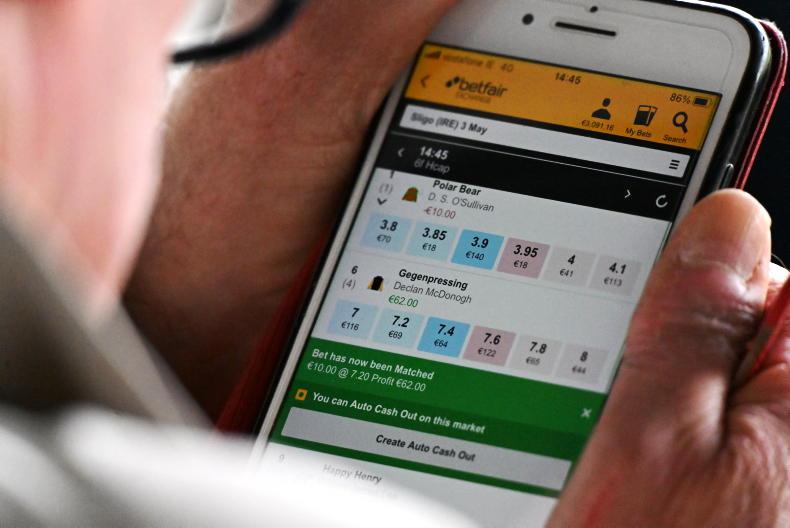
People are not only looking at a price and moving on. They compare markets, check timing, look at form and think about how different outcomes relate to the event itself. Prematch betting sections matter because they gather a lot of that thinking into one place before the action begins.
A platform such as TonyBet Ireland fits in well by offering prematch markets across different sports, allowing users to look at options before an event starts. In racing, that might mean reading form, conditions and price movement. In football, it may involve match winner, total goals, both teams to score or handicap markets.
Real-Time stats changed the pace
Older analysis mostly happened before the event. Once a race began or a match kicked off, fans relied heavily on what they could see, hear and remember.
Real-time stats in racing have changed that. Late market movement, pace data and sectional timing can add more context around how a race is developing. In football, live numbers such as shots, corners, possession, expected goals and passing accuracy can help explain whether one side is genuinely in control or simply seeing more of the ball.
Sport often looks different from how it feels in the moment. A team under pressure may still be the more dangerous one on the counter. A horse traveling comfortably may not have enough left at the finish. Live data gives fans another way to test their first impression against what is actually happening.
More data still needs human judgement
More information does not automatically mean better analysis. A high shot count can look impressive until you realize most efforts came from poor positions. A short-priced favorite may still have fitness concerns, schedule pressure or an awkward matchup. A horse with weak recent form may have been running under unsuitable conditions.
Good analysis depends on joining the numbers to the sport itself.
A racing fan who understands ground, distance and pace can read a market with more care. A football fan who understands tactics can look at live stats and ask better questions. Therefore, modern tools are useful, but they still need human interpretation behind them.
Mobile access turned analysis into the broader betting habit
Another major change is how easily fans can carry analysis with them.
A person can check racing declarations in the morning, scan football team news in the afternoon and compare prematch markets before the event starts. None of that needs to feel like a formal research session anymore. It has become part of how people follow sport.
Group chats have added their own chaos to this. One person shares a stat, someone else questions it, another remembers a previous matchup and suddenly the whole conversation becomes a miniature analysis desk with worse spelling and stronger opinions.
The tools may be sharper now, but the human side of sports analysis still looks familiar. People want to understand the event, argue their case and feel like they spotted something before everyone else did.
Where it all wraps up
The move from racecards to real-time stats has made sports analysis faster, richer and easier to access. Fans can now work with more context before an event and keep reading the action as it develops. Still, a red card can ruin a tidy argument. A favorite can miss the break. A goalkeeper can suddenly turn into a wall and a team that looked flat all week can find something on the day that no chart fully explained.
Racecards gave fans an early way to read sport more carefully. Real-time stats have taken that habit further. The final answer, thankfully, still belongs to the event itself.

SHARING OPTIONS: