

 This is a subscriber-only article
 It looks like you're browsing in private mode


THE Irish Equine Centre (IEC) has repeated its advice to horse owners to have all equines in their care vaccinated against equine flu as the virus continues to be active in Ireland.
Since the end of March, the IEC has confirmed cases of equine influenza on 13 premises. The virus identified is very closely related to an American strain that has been circulating in mainland Europe for several months and has recently been associated with a surge of cases in the UK.
Dr Ann Cullinane, head of virology with the IEC, said: “Fortunately, the current virus is related to the recommended vaccine strains and, predictably, the clinical signs are reported as more severe in unvaccinated or partially vaccinated horses. However, subclinical infected horses including well vaccinated horses, may shed virus and serve as a source of infection to other horses.”
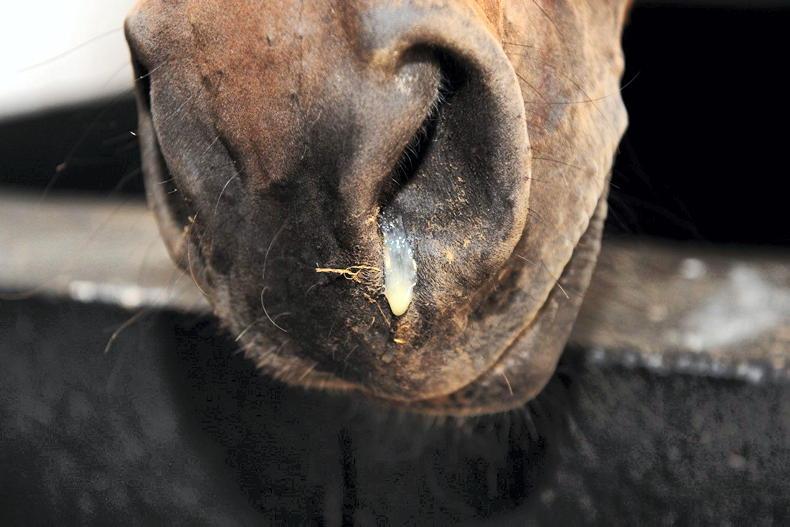
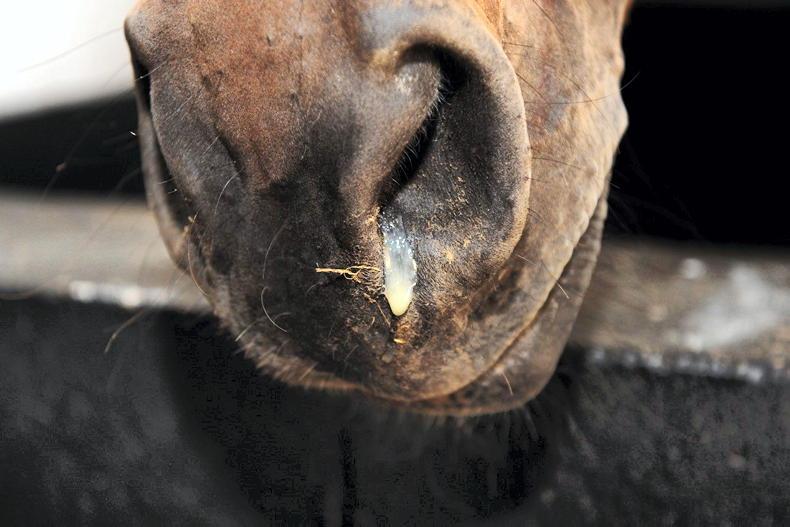
Coughing is a prominent feature of influenza and serves to release large quantities of virus into the atmosphere. Vaccinated horses, particularly those in the same airspace, may succumb to infection.
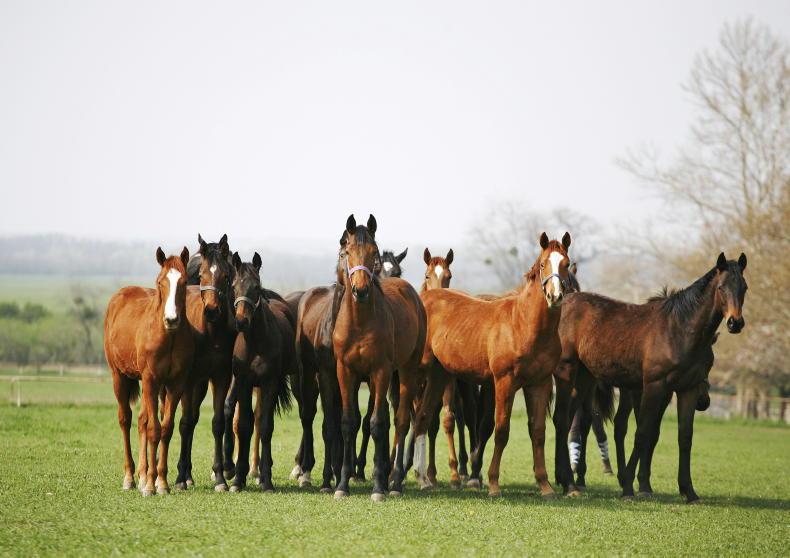
“Herd immunity is key to minimising the risk of disease spread.” Dr Cullinane said. “All horses on a premises should be vaccinated irrespective of their activity. In the face of the current outbreak those that have not been vaccinated within the last six months should receive a booster or if never vaccinated, a primary course. Vaccination requirements for sales, competitions, pony camps and other activities help to minimise disease risk.”
Spread of influenza virus is often associated with congregation of horses at equestrian events followed by their dispersal over a wide geographic area when the event finishes.
Horses usually recover clinically from uncomplicated influenza within two weeks if they are rested, but coughing may persist for longer.
In well vaccinated horses the clinical signs may be absent, but suboptimal performance in affected horses can be extremely frustrating for trainers and owners. Rapid diagnosis, rest and vaccination are key control measures for equine flu.
The virus can be readily diagnosed by submitting swabs to the IEC and the initial tests on a premises are carried out free of charge as funded by the Department of Agriculture.
A PCR result can be available within 24hrs of sample submission to the laboratory and if the diagnosis is confirmed at an early stage, immediate vaccination of in contact horses may be indicated.
Similarly, the removal and isolation of horses in the early stages of infection reduces the infection pressure and the likelihood of disease spread.



SHARING OPTIONS: