

 This is a subscriber-only article
 It looks like you're browsing in private mode



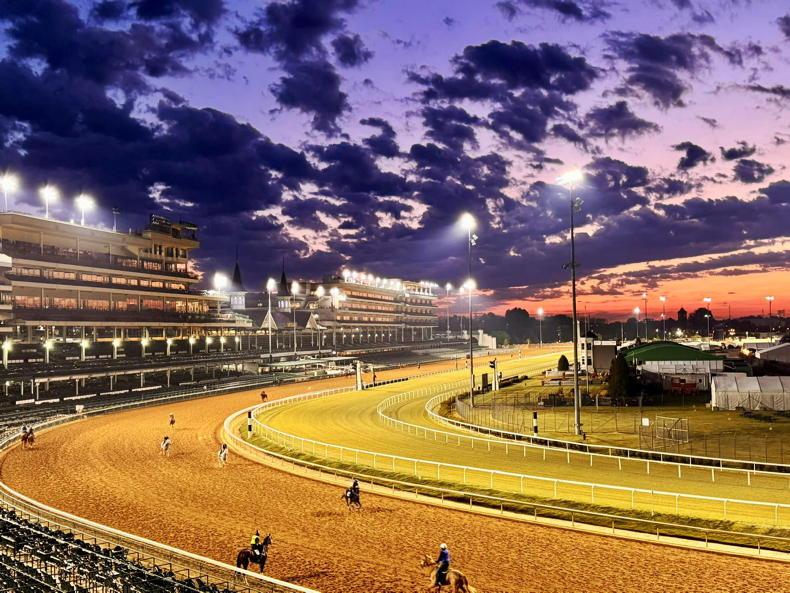
AS much as the thoroughbred industry is centered around our beloved equine athletes, the people that breed, train, care for, ride, and otherwise have any involvement with these horses, are, not always, but too often, overlooked.
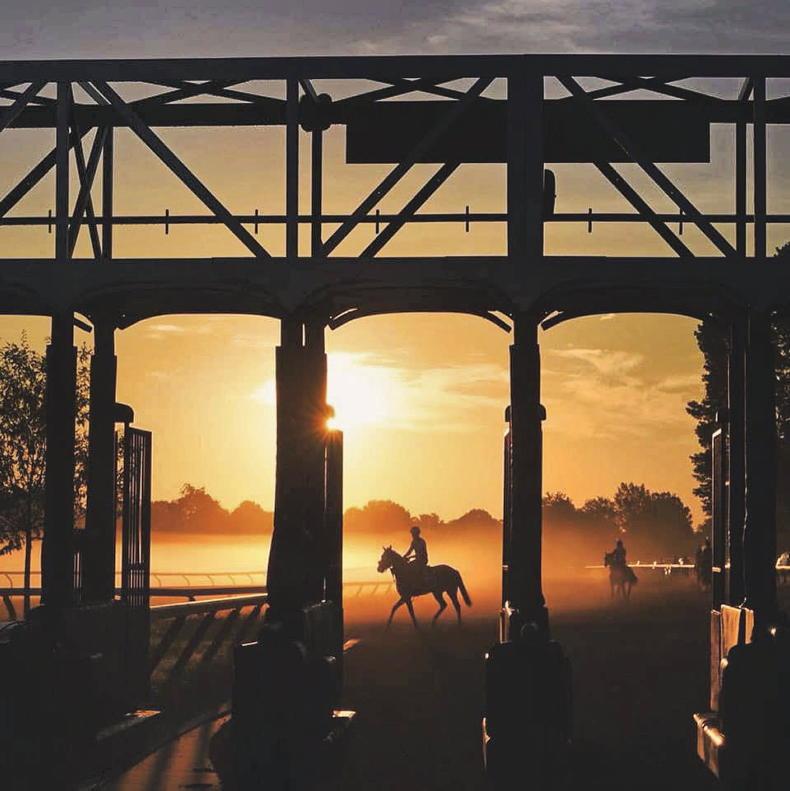
Without the boots of the horsemen on the ground, under any type of weather, enduring all the elements, the industry would not keep turning.
Trainers, exercise riders, jockeys, grooms, and the likes, all play an essential role in the thrilling two minutes of the race that the rest of the world gets to enjoy. Their labour and their sacrifices are rewarded with a win, but easily stomped on with a loss.
Even after the photo is taken in the winner’s circle, after the moment of euphoria, once it passes, what has their endless hard work cost them mentally, physically, and relationally?
The industry does a lot to take care of its horses, more and more, and better and better.
But what about its people?
Life on the backstretch
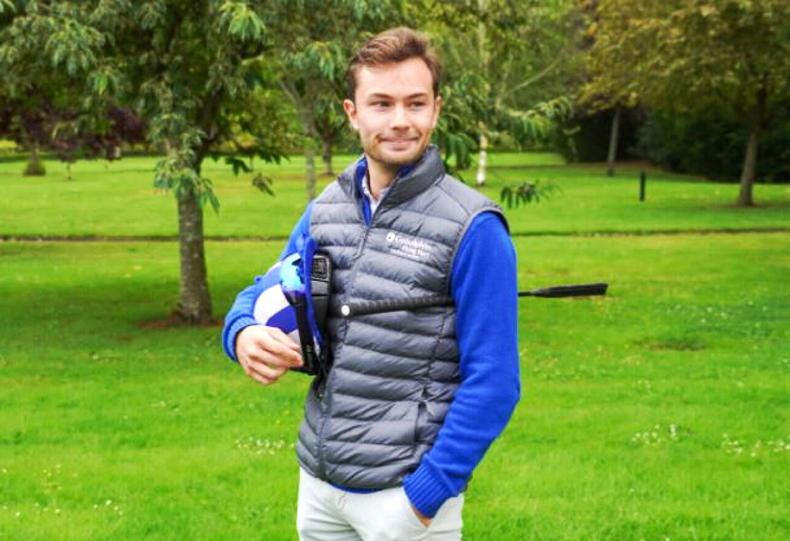
When working for prestigious organisations, and when fortunate enough to benefit from the care they show their employees, it is a blessing, if not a privilege. In my case, I am particularly grateful to the Godolphin Flying Start programme. Nevertheless, not everyone has this opportunity, and the reality that life is on the racetrack backstretch in the USA highlights the progress that still needs to be made.
There is little to no research as to the mental health of the horsemen in the USA. The most recent study (An Overview of safety and health for workers in the horse-racing industry - National Institute for Occupational Safety and Health, April 2009) is dated more than 15 years back and focuses mainly on the physical health and safety of racetrack workers, and not on adverse effects of the job requirements on mental health.
The backside of many racetracks in the US, where morning training occurs, is old-fashioned, resistant to change, and only focused on the horses. And this needs to change if we want our industry to sustain.
Mental health and well-being are taboo and kept quiet, perhaps for fear of being seen as weak in front of competitors, or perhaps to maintain quality client relations, or perhaps simply because there is a resounding culture to get tougher and fight on.
After the immense stressors and pressure of the job begin to take their toll, many horsemen will resort to alcohol or drugs to cope, leading to cases of depression and anxiety, substance overdoses, and even suicide. But we rarely talk about it.
Substance abuse
Within the racetrack, substance abuse is actually much more normalised, and even expected, than going to therapy or verbally expressing inner turmoil to a peer, as examples. Once the reliance on alcohol or drugs develops, support for a horseman attempting to recover from such a problem is limited.
And what must be highlighted are the initiatives that do exist, such as Taylor Made’s Stable Recovery, because they are rare, yet essential. Other actions, like the ones undertaken by racetrack chaplaincies in the likes of Keeneland or Churchill Downs for example, are to be considered, despite not being sufficiently funded nor supported by the industry as a whole.
Rather, the smartest financial and business decision a trainer, jockey, exercise rider, or groom could make is to soldier on with their job, plaster on a smile, and continue on with their duties as best as they can.
Each horseman has unique pressure and stress to deal with, depending on their job.
Jockeys and trainers
Jockeys have to deal with managing their weight whilst maintaining a high level of strength and aerobic fitness, perform under pressure from both owners and trainers, and suffer the consequences of each loss, in a sport where you lose more often than you win. Their financial well-being depends on the races they win, which depends on the business they are able to keep, which depends on their ability to effectively manage these pressures.
Well-known jockeys have succumbed to drinking or drug usage as a method for coping. Others develop severe eating disorders, such as the famously known “flipping method” that further impair their mental state. Some have even died with suicide from those addictions that few people truly recognise.
For many, even without reaching such extreme and unfortunate situations, life on the track is overwhelming. Trevor McCarthy, despite being a Grade 1-winning jockey and one of the most successful riders on the highly competitive NYRA circuit, himself talked about it, expressing in the Thoroughbred Daily News, America, (April 13th, 2025), how difficult it was to maintain a healthy mental health while riding, being “unhappy, and a miserable person to be around” even impacting his beloved ones and family life.
Trainers are often no better off. They have to manage direct communication with owners, staff, and the financial aspects of running a business. They can train a horse to the best of their ability, only to watch it lose a race because of bad luck, a bad ride, or simply just because the horse was having a bad day. Owners are liable at any point, to remove their horses from a trainer’s barn, in the blink of an eye, suddenly decreasing the income flowing into their business and the opportunities to win races. As a result, many trainers also resort to alcohol as a way to quiet the demons in their head.
Grooms and riders
Grooms, exercise riders, and hotwalkers have the least support of all, existing silently and yet carrying the brunt of the physical labour and receiving the smallest of the paychecks. The majority of them only get to see their families in their home countries a fraction of the year, meanwhile sending money back every week to support them.
They work long hours, seven days a week, and live on the backside of the track. Because the backstretch is not often shown to the public, it is easy to turn a blind eye to these horsemen that are suffering from addictions, working through injuries, and mental hardships. Without any outlet to express themselves, many of them experience bouts of depression, alcohol abuse, and even violence.
Women on the racetrack deserve an article, if not a book, dedicated entirely to them, as the additional problems of working in a male-dominated industry with little initiative to promote their status in any way are significant. They must deal with sexism, physical threats, and different expectations along with trying to manage their careers that come with the same stressors previously mentioned.
Slow to respond
Unfortunately, tracks and racing commissions seem slow to respond to the desperate need of further support for horsemen. Again, a few initiatives exist, such as those from the Jockey’s Guild or track chaplains, the Churchill Downs’ Backside Learning Center being one of them for example, but globally, the backstretches in the US have taken years to develop any sort of aid for horsemen’s mental health, as funding is often allocated elsewhere.
It is high time that proper research is conducted on a significant scale, anonymously, to truly reflect the extent of the issue.
Of course, it is easier to turn a blind eye and claim these are just isolated cases, not representative of the wider situation, but if we showed a degree of honesty and collective responsibility, we would no longer be faced with situations that are the everyday life every horsemen knows to be happening right alongside horses worth millions, to whom we give so much care and attention.
The conclusion of the research can provide an argument in favour of allocating funds to ensure adequate support is available to all horsemen. These types of support include, but are not limited to, sports psychologists, therapists, group meetings, connections with rehabilitation clinics, and greater financial support for those that need an interim arrangement to keep their business intact while they improve their mental health and well-being.
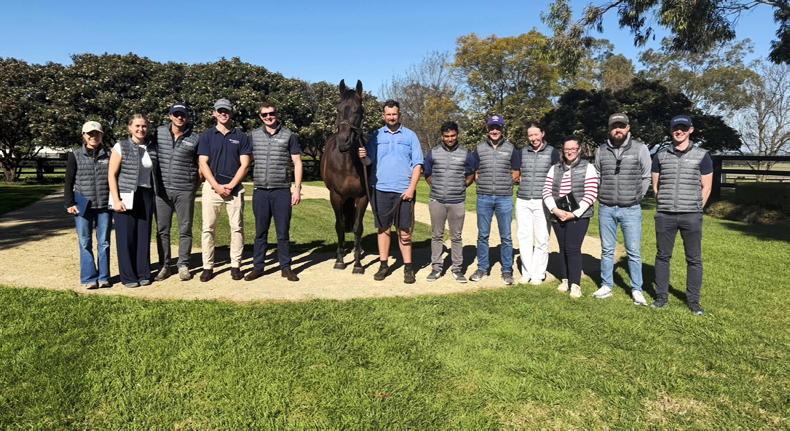
See godolphinflyingstart.com for more information on the programme


SHARING OPTIONS: