

 This is a subscriber-only article
 It looks like you're browsing in private mode



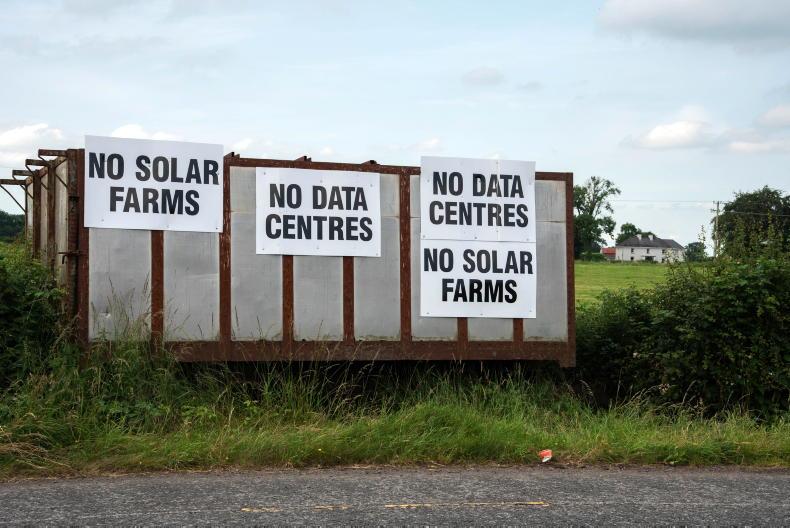
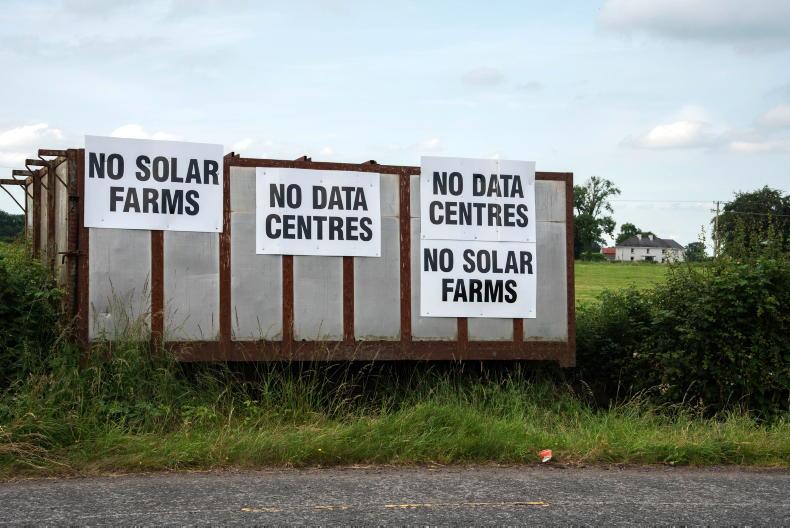
ON Monday September 28th, while the industry’s focus was on the Orby Sale in Goffs, nearby, hundreds of residents gathered outside Áras Chill Dara in Naas urging Kildare County Council to support motions proposing they review the 2021 zoning of land in Naas, that earmarked it for hyperscale data centres.
Public resistance to data centres has risen mainly due to their vast energy and water consumptions, along with environmental impacts like noise and air pollution.
Kildare councillors rejected the zoning reversal 11 to 22, with seven abstentions, despite backlash from large numbers of the community about the plans.
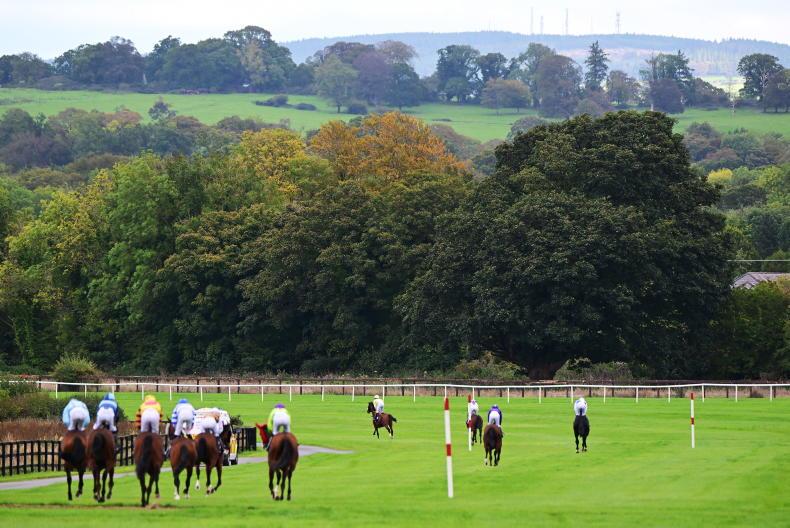
Residents and business owners in the town are increasingly aware of and concerned about the implications the data centres may present, yet the plans don’t seem to be on the radar of our own industry circles, despite its proximity to a number of stud farms, racecourses and training yards, many of which are within a 10km radius of the sites.
European per capita average
Data centres are essential infrastructure for the modern economy, offering remote storage for large tech companies such as Microsoft and Google. However, the Republic of Ireland currently hosts 10 times the European per capita average.
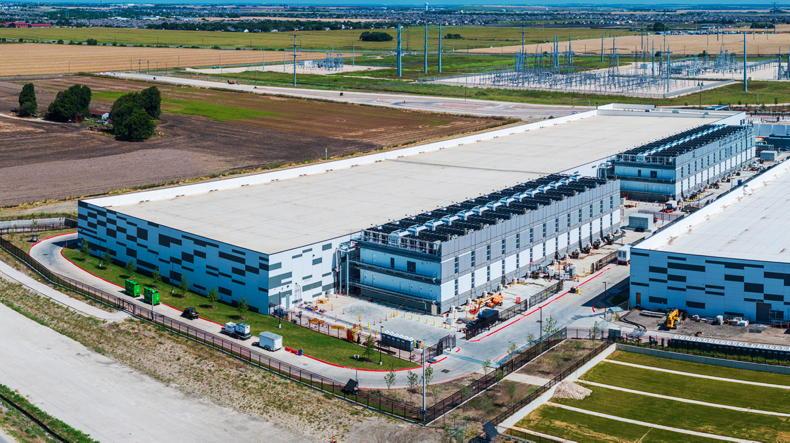
The Herbata Data Centre in Naas will require 180MW of continuous electricity according to Data Centre Awareness Kildare. That is three times more than what is currently used in the whole of the county, and enough to power 370,000 homes, according to the CRU.
For continual cooling, it is estimated to require approximately 18,000 litres of water a day. There are concerns this will compete with public demand for water, putting strain on households and other sectors, such as farming and horticulture. There are two plots - The Herbata complex (P1) spans 38 hectares, has received planning and is currently under appeal to An Bord Pleanala. The judicial review decision is expected by January.
The larger neighbouring plot P2 is 55 hectares, more than seven times the size of Croke Park, and carries a ‘data centre only’ zoning, although no planning has yet been lodged. For those familiar with Naas, this is right behind Oak Lodge Stud.
Energy concerns
Data processing currently accounts for 23% of Ireland’s energy consumption, compared to just 4% in the USA and 1% in China.
The CRU, Ireland’s energy regulator, have warned that data centres raise a serious risk to the grid. Eirgrid, who operate the electricity system, warned of potential blackouts.
A UN report published in June, cited Ireland as a “cautionary tale” of what happens when AI and data centre infrastructure growth outpaces energy and water planning.
Over the summer and during the nationwide hosepipe ban, data centres used 514 million litres of water.
On July 11th, an Uisce Eireann Representative told RTE: “North Kildare will have to shut off certain areas for approximately 12 hours… Because water was being consumed quicker than it can be replenished..”
The Irish Times highlighted that the state of New York, 75% larger than Ireland, is home to 133 data centres, while Ireland has 129.
Concerned it had too many, in July the NY governor declared a year-long moratorium on new hyperscale data centres in her state, because the “scale and speed of development has put unprecedented demand on energy and water resources and threatens to drive up utility costs”.
Earlier this month in Kentucky, the Lexington-Fayette Urban County Council voted to extend their moratorium on new data centre development for another year. They passed a zoning amendment, not allowing data centres over 50,000 square feet, capping energy use at 25 megawatts, limiting the noise, and requiring zoning plans regarding how the facility could impact the community.
Protecting agricultural land
The Kentucky Thoroughbred Association said protecting agricultural land remains a priority as technology development expands. Kentucky farm owners said they worry about the potential effects of data centres on horses, including added noise and lighting.
In June, the Minister for Enterprise, Peter Burke published a report called The Value of Data Centres to Ireland. The report made several controversial claims, including that data centres support about 876,000 jobs, one-third of total employment in the Republic.
The entire sector directly employs only 3,400 nationally. When operational, the Naas data centre will employ about 225 staff.
After the Government’s report was published, the Daily Mail broke a front-page story that the Department had instructed KPMG, which prepared the report, to remove anything that did not support “the position that we should continue to further develop our data-centre landscape post-2030”.
Further challenge came from a report published last month by researchers from Maynooth University, the Autonomous University of Barcelona and UCD.
New evidence
It presented new evidence on the direct, indirect and opportunity costs of data centre expansion in Ireland. It concluded: “Rather than being an economic opportunity, the continued expansion of data centres represents an irrational allocation of resources across the Irish economy, prioritising the needs of big tech over Irish society during a cost of living crisis and a time of escalating ecological emergency.”
It said that the Government had exaggerated claims about the economic benefits of data centres, which were based on untenable connections between data centres and real economic activity in Ireland.
Herbata’s CEO says its €3bn Naas data centre “will have no impact on residents”, but the information to suggest there could be an impact is mounting.
Mayor of Naas, Bill Clear, who previously supported land being zoned for data centres, has said his view has changed after visiting a Dublin data centre emitting constant noise.
Speaking to The Irish Times, he said: “At one time in my life, I would have said, we need it. We’re all using our phones for this, that and the other. But then I went over and I saw what was in Clondalkin and I was absolutely shocked.”
Unaware
When plans were originally approved in 2021 to zone land for large scale data centres, many locals were unaware of the potential environmental, infrastructural and community impacts that could arise from their development.
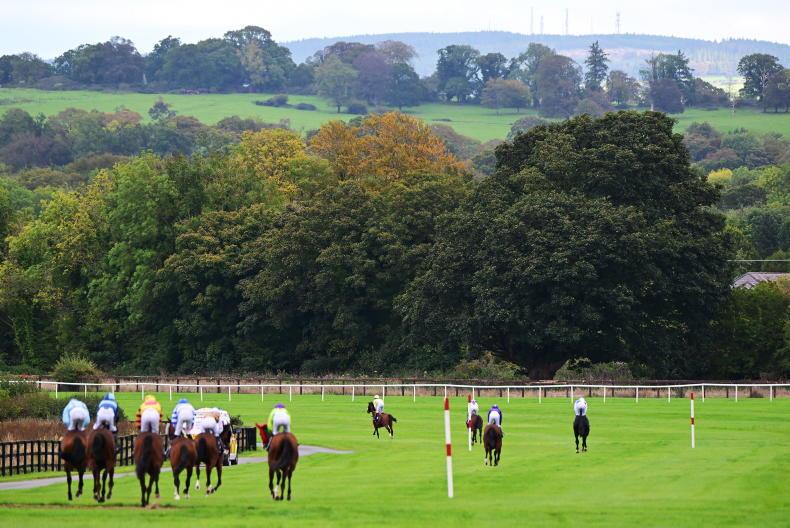
Kildare is the heart of Ireland’s thoroughbred and racing industry, and we have an obligation to protect that for future generations.
Any planning decisions of such magnitude as is the Naas data centre must surely be collectively and comprehensively reviewed, scrutinised and considered so that we are represented in the process.
Hayley O’Connor is a racehorse owner and breeder living on the Curragh.

SHARING OPTIONS: